
what is aAc?
An introduction to autoclaved aerated concrete
ULTRA-LIGHTWEIGHT PRECAST CONCRETE BLOCKS & PANELS

PERFORMANCE
Energy efficient, quieter, healthier, and
more comfortable building spaces
WHY TEXAS BUILDING OWNERS CHOOSE AAC
Autoclaved aerated concrete (AAC) is a proven ultralightweight concrete construction technology used globally to drive increased performance and resilience while lowering the total lifecycle costs of modern built infrastructure.

PERFORMANCE
Energy efficient, quieter, healthier, and more comfortable building spaces
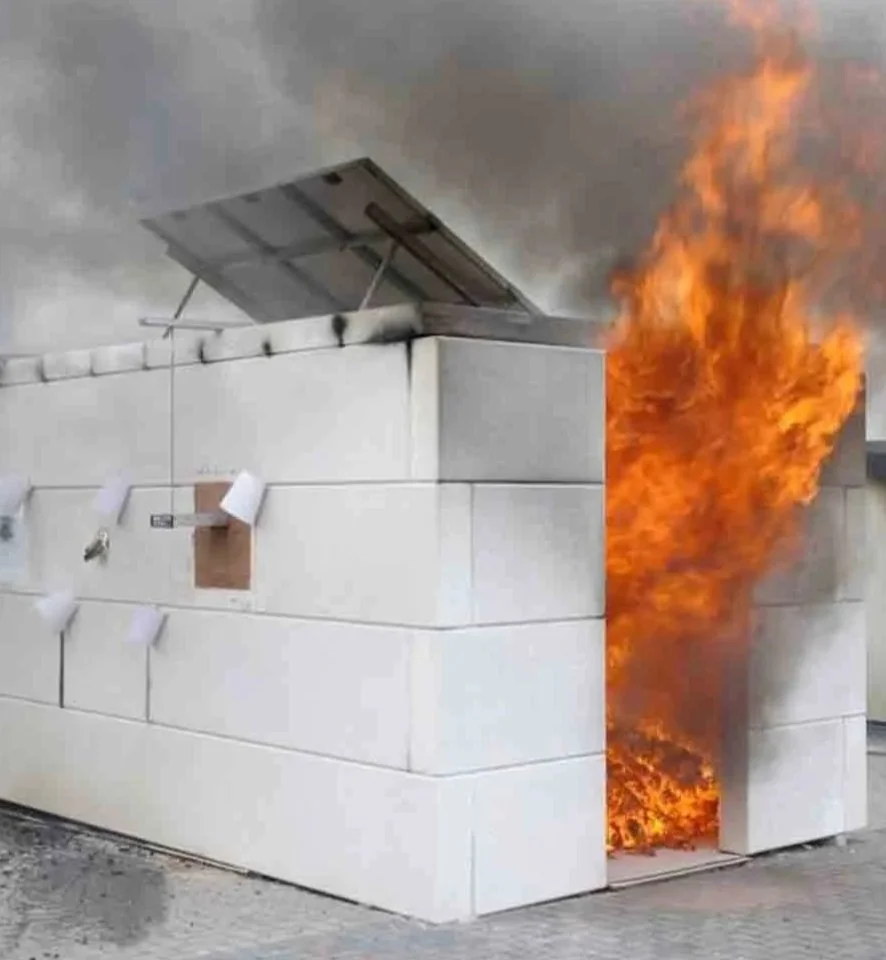
FIRE SAFETY
Non-combustible material offering up to 4-hour fire-rated wall, floor, and roof assemblies
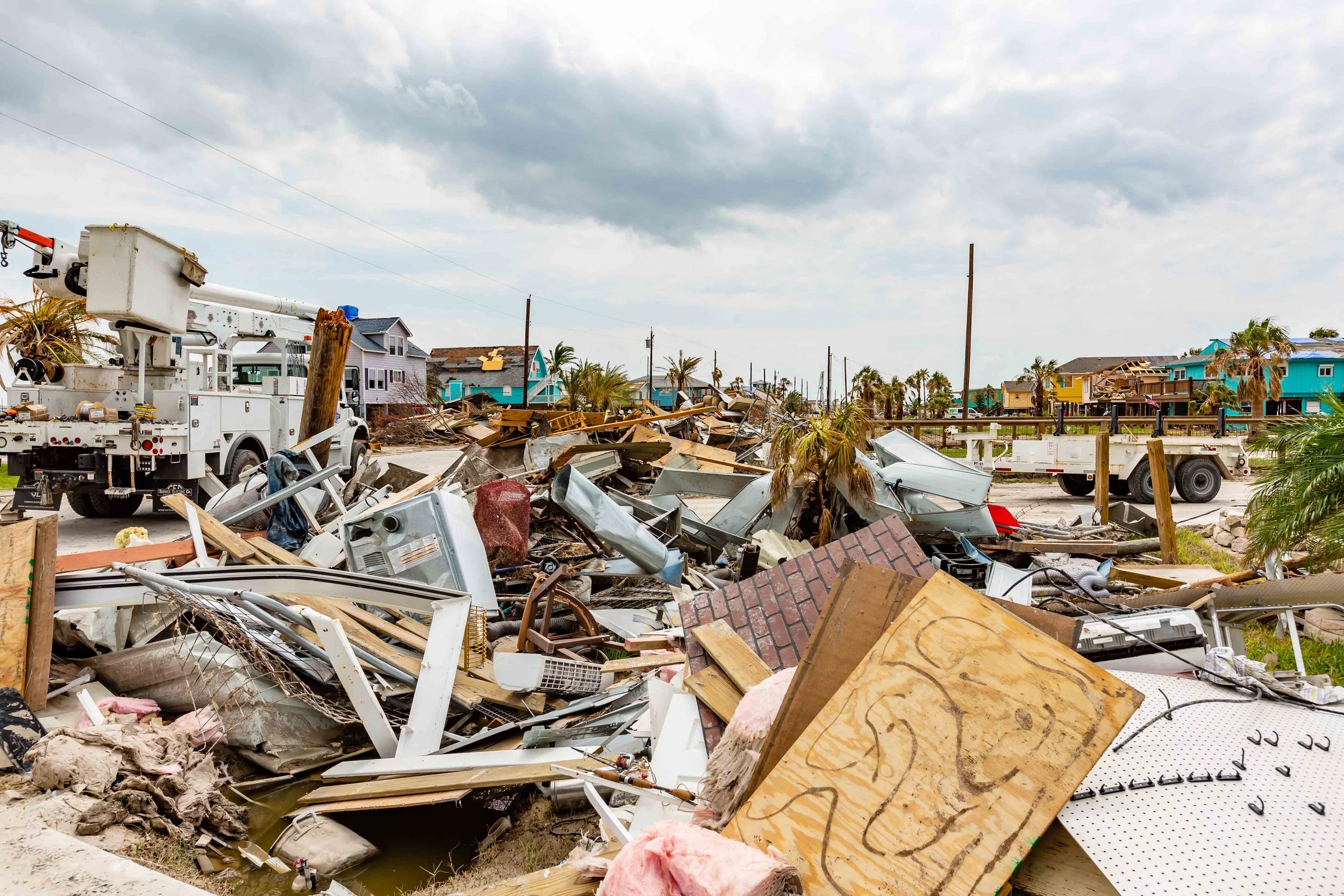
RESILIENCE
Comprehensive protection from damage caused by mold, mildew, rot, pests, and storms

LOW COST OF OWNERSHIP
Competitive cost of construction plus reduced long-term maintenance, repair, energy, and insurance costs
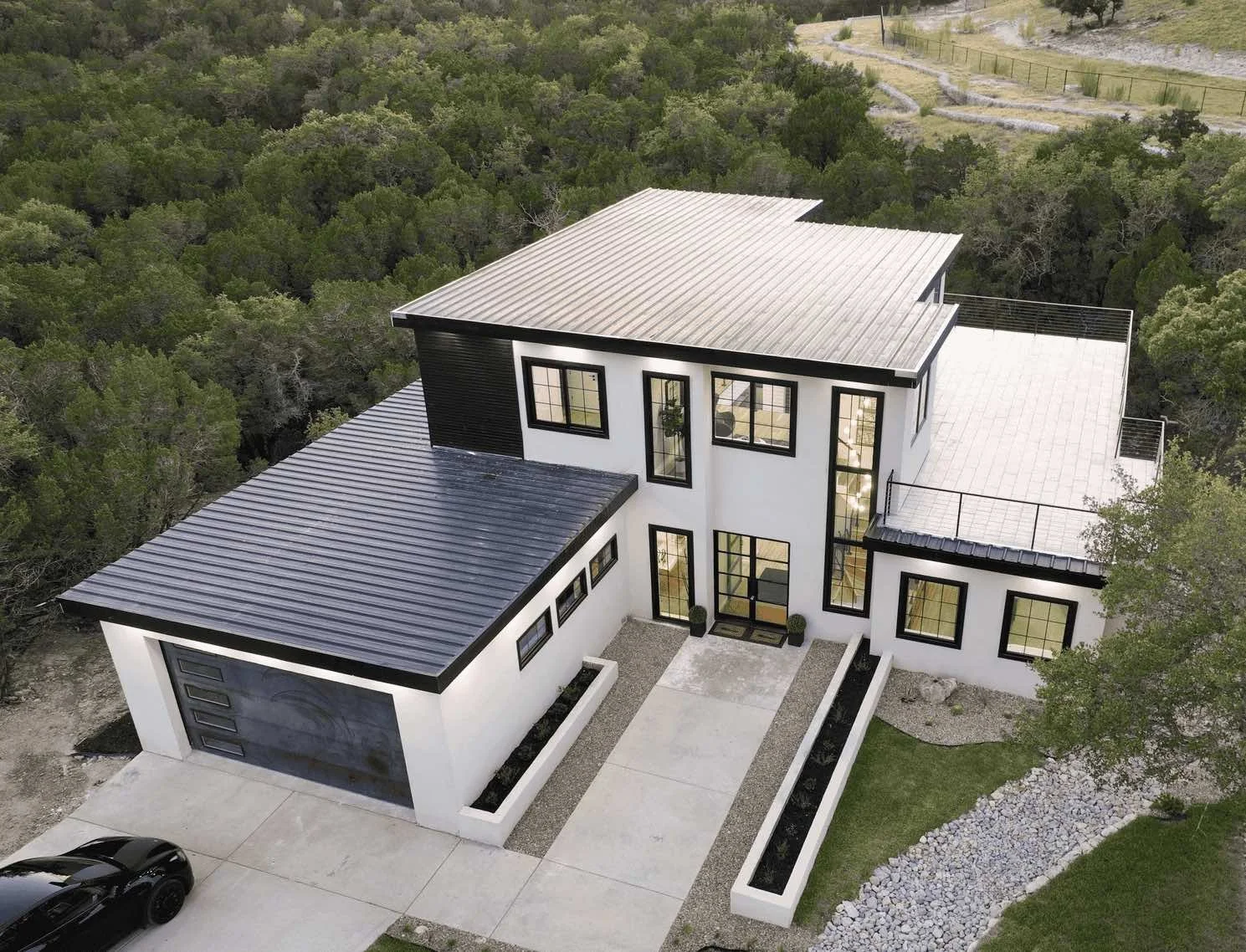
PHYSICAL PROPERTIES OF AAC
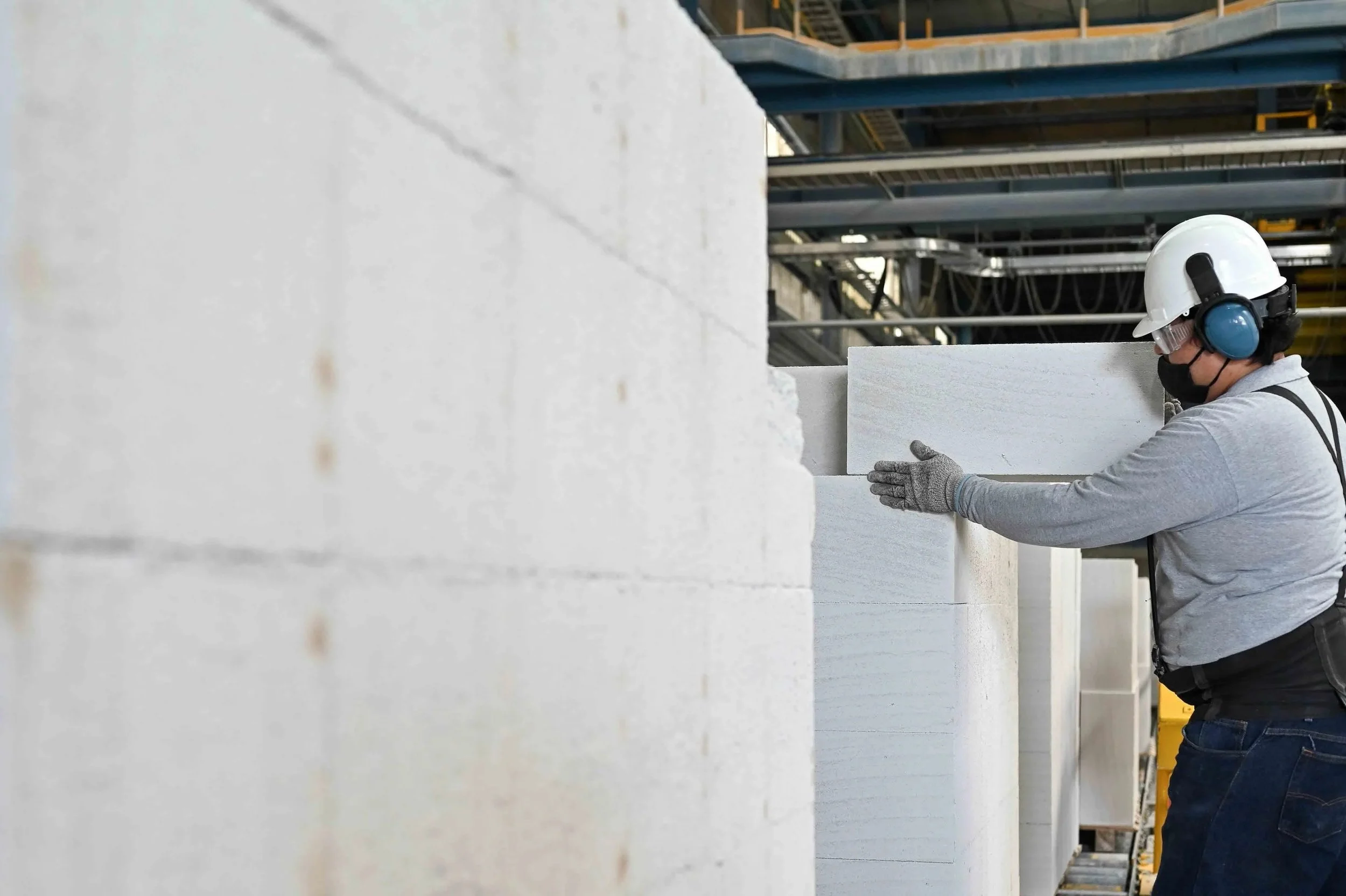
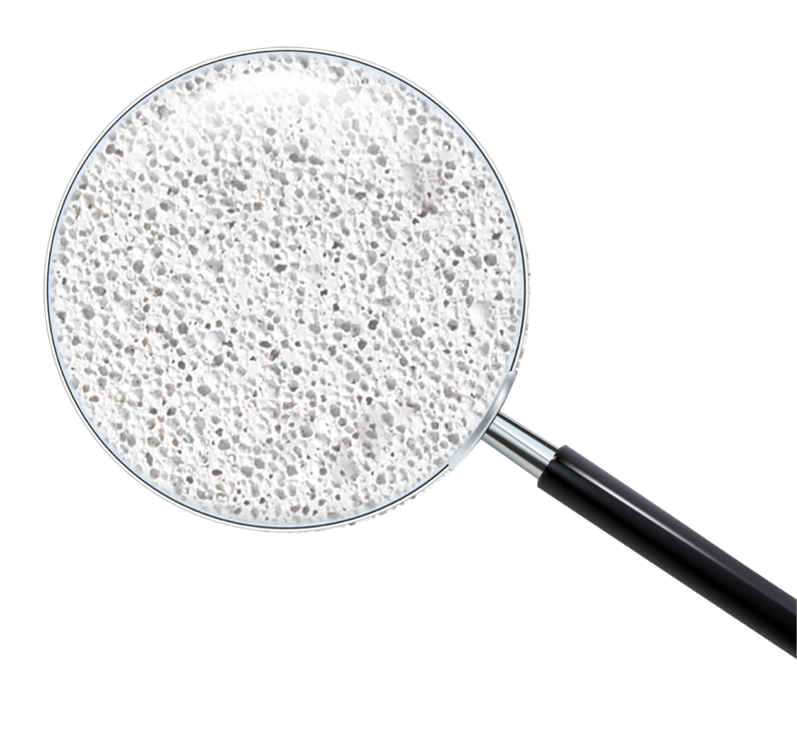
AAC is a lightweight, precast concrete material made from cement, lime, sand, water, and aluminum powder that is steam-cured under pressure to create a strong, fire-resistant, and insulating building product.
HOW AAC IS MANUFACTURED?
The manufacturing of AAC is based on a controlled chemical reaction in the concrete slurry that creates permanent air voids in the material, which gives these products their low weight, insulating performance, and non-combustible physical properties.
The steps of production are:
Raw material preparation: Cement, lime, sand (or fly ash), water, and aluminum powder are precisely measured and mixed.
Mixing and aeration: Aluminum reacts with the alkaline slurry, creating millions of microscopic air bubbles.
Casting and pre-curing: The expanding mix is poured into molds and allowed to partially set.
Cutting: The semi-hardened “cake” is wire-cut into blocks, panels, or lintels.
Autoclaving: Products are steam-cured under high pressure and temperature to gain strength and stability.
Finishing and packaging: Units are inspected, packaged, and prepared for shipment.
WHERE AAC WORKS BEST
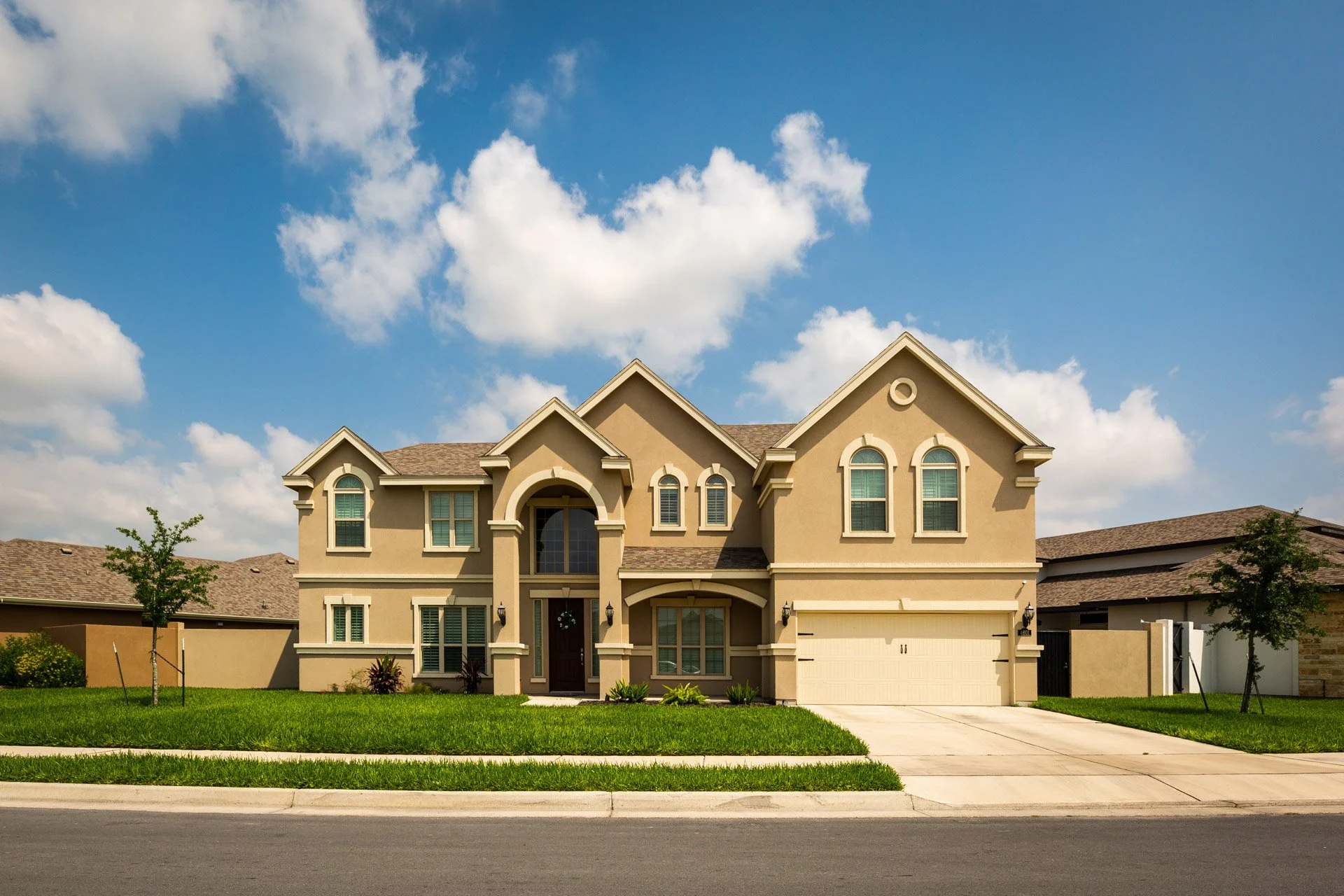
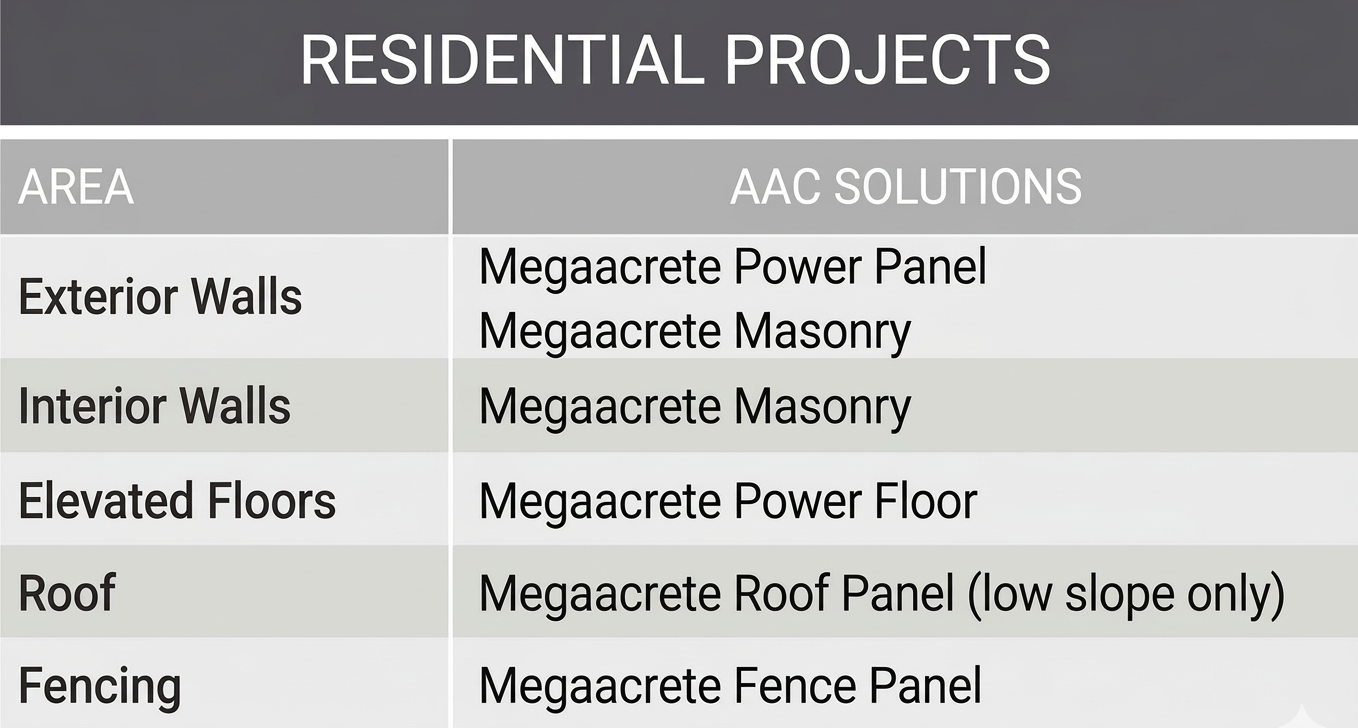
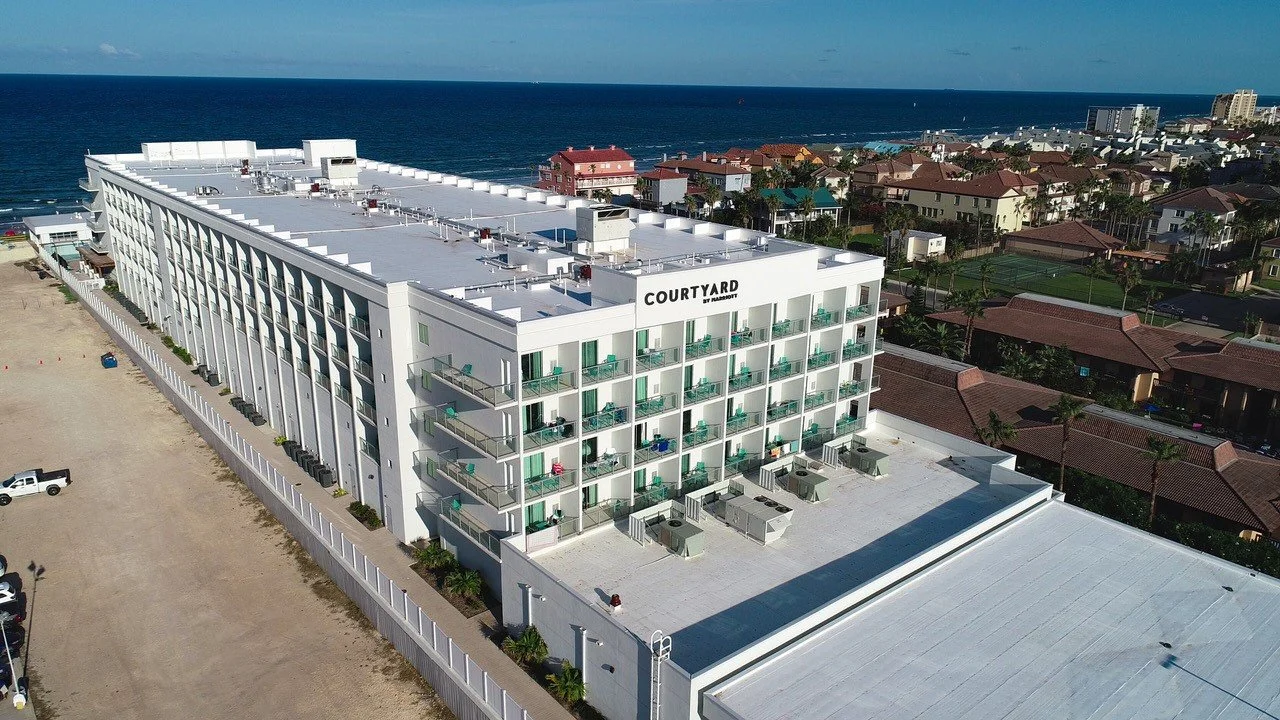
Autoclaved aerated concrete building systems have been used in multiple applications for commercial, industrial, and residential projects in the United States since the 1990s.
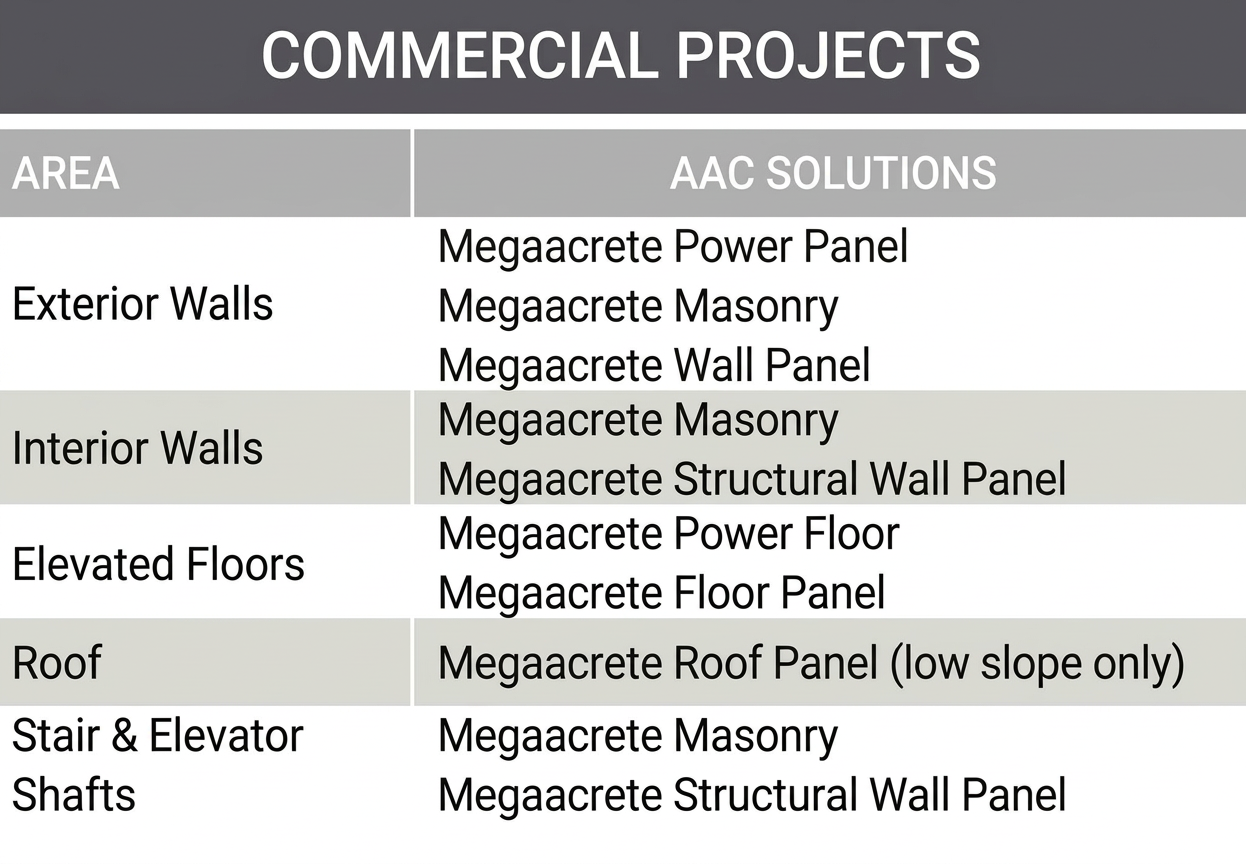
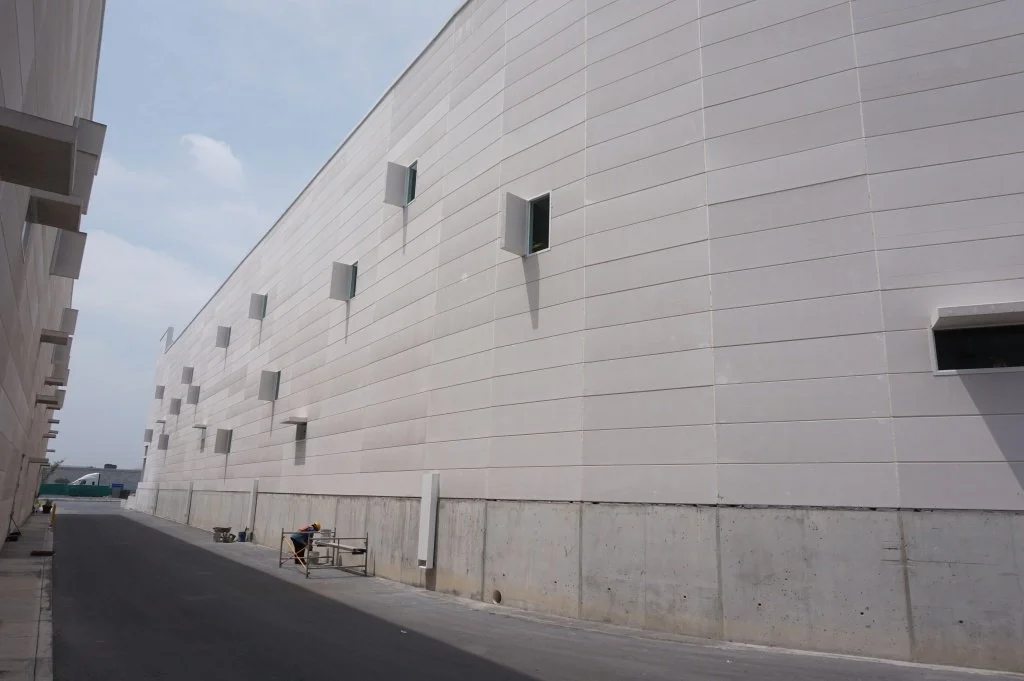
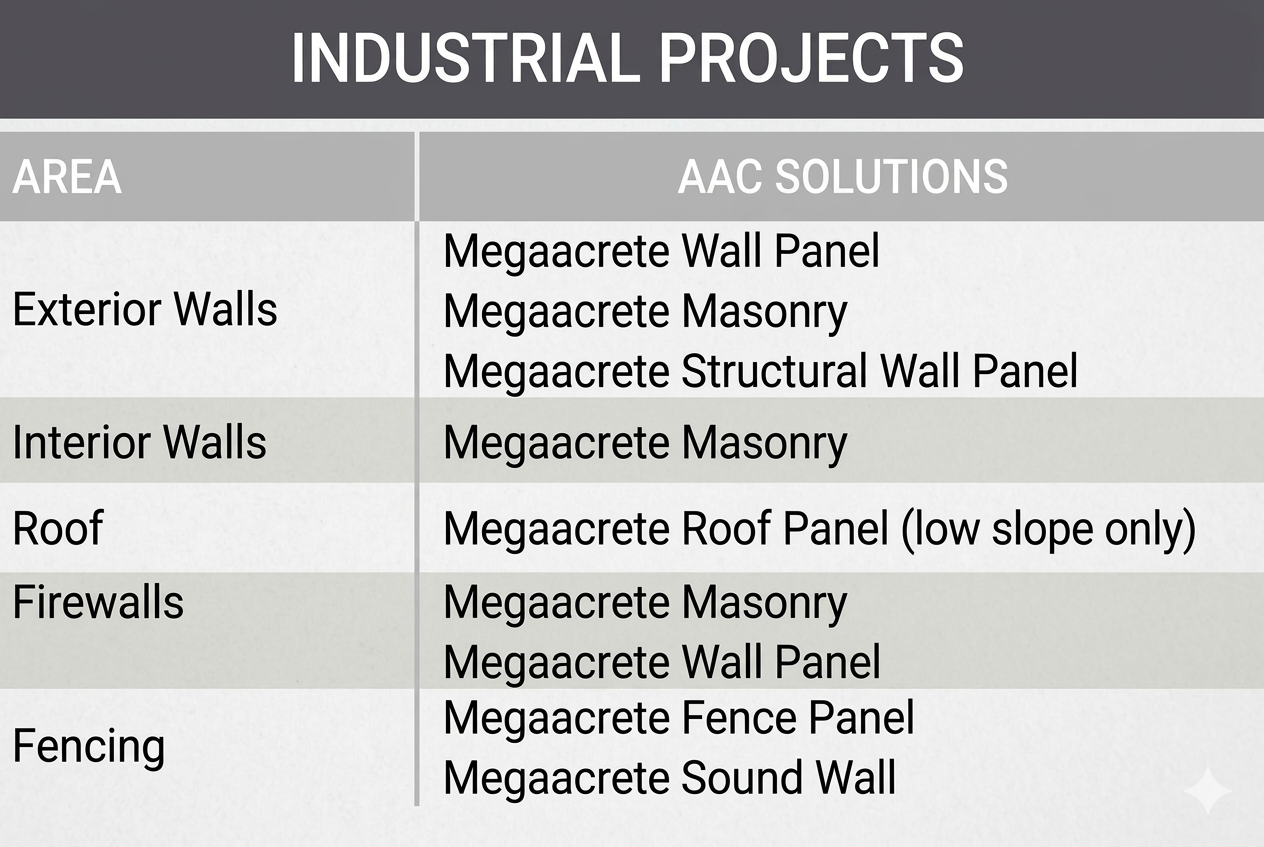
AAC BUILDING SYSTEMS
Autoclaved aerated concrete products are categorized
into three classes of block and steel-reinforced panels.
-
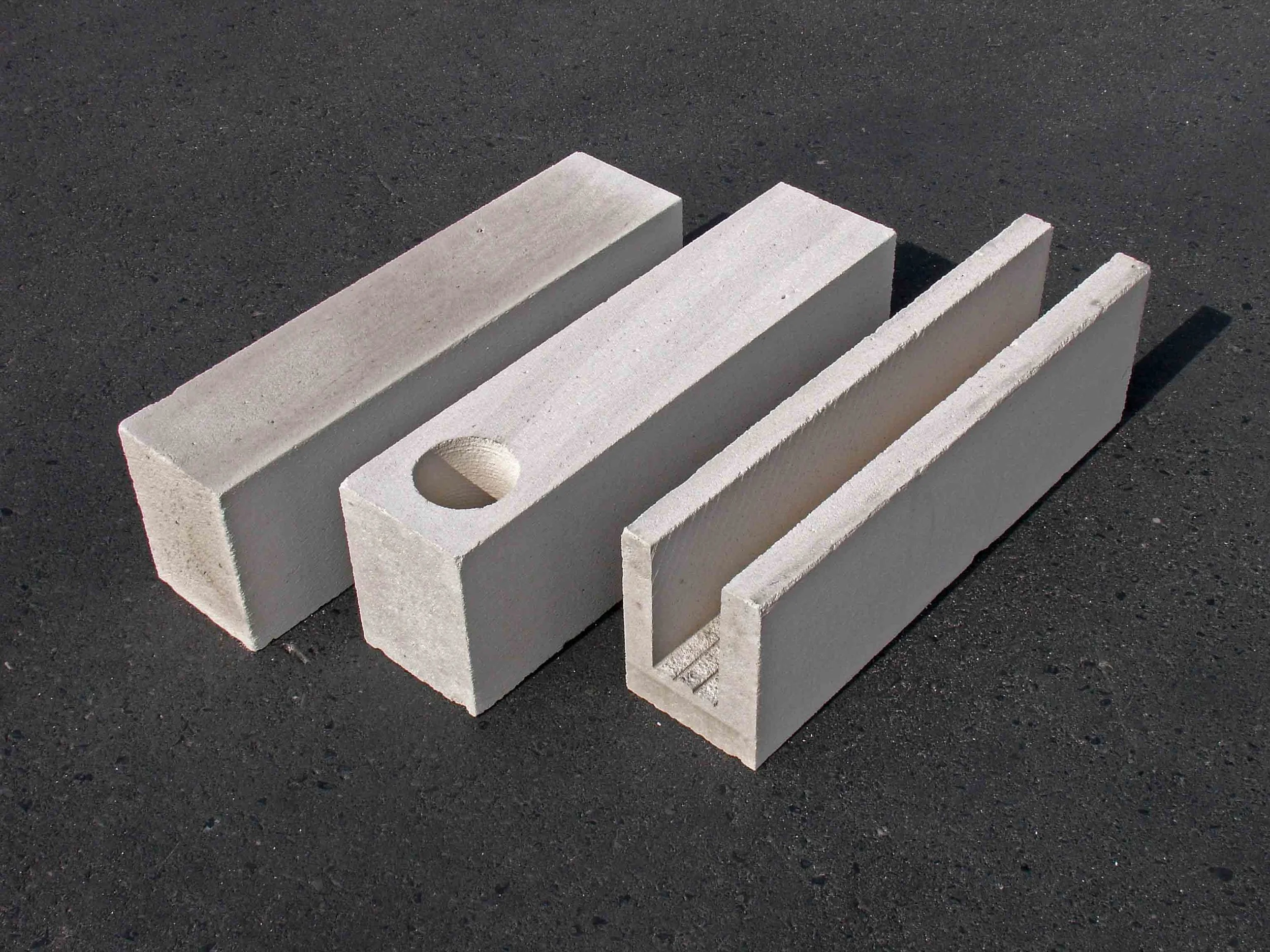
Block
Insulated and fire-resistant AAC blocks in thicknesses of 4-12 inches for use in reinforced and confined masonry designs.
✓ Masonry
-
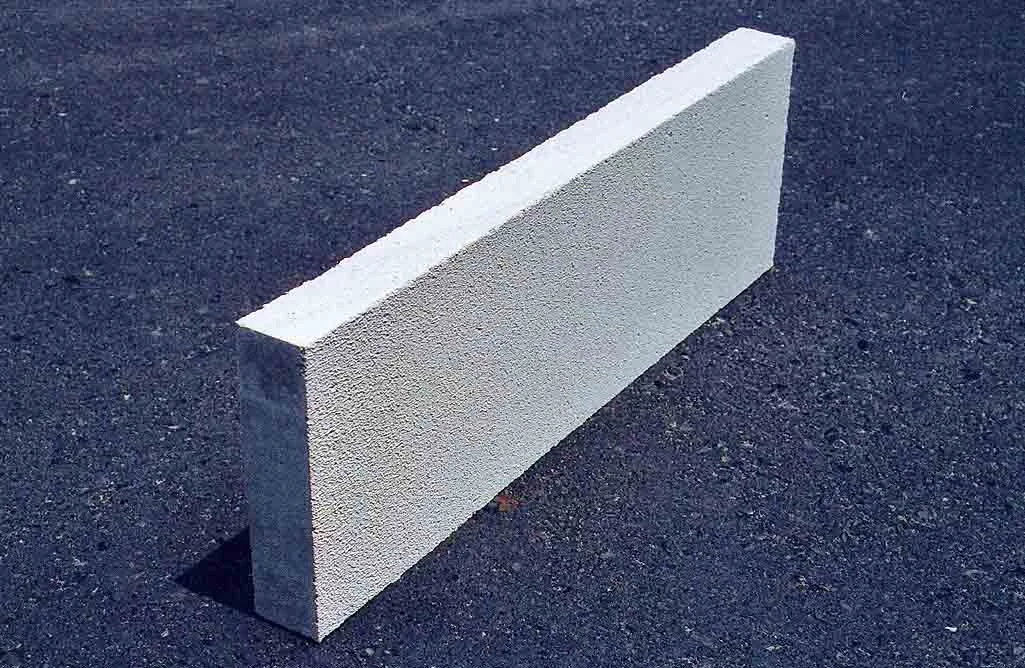
Thin-Reinforced Panels
Lightweight and resilient AAC panels with single internal steel reinforcement in 2- to 3-inch thicknesses and lengths up to 8 feet.
✓ Power Panel
✓ Power Floor -
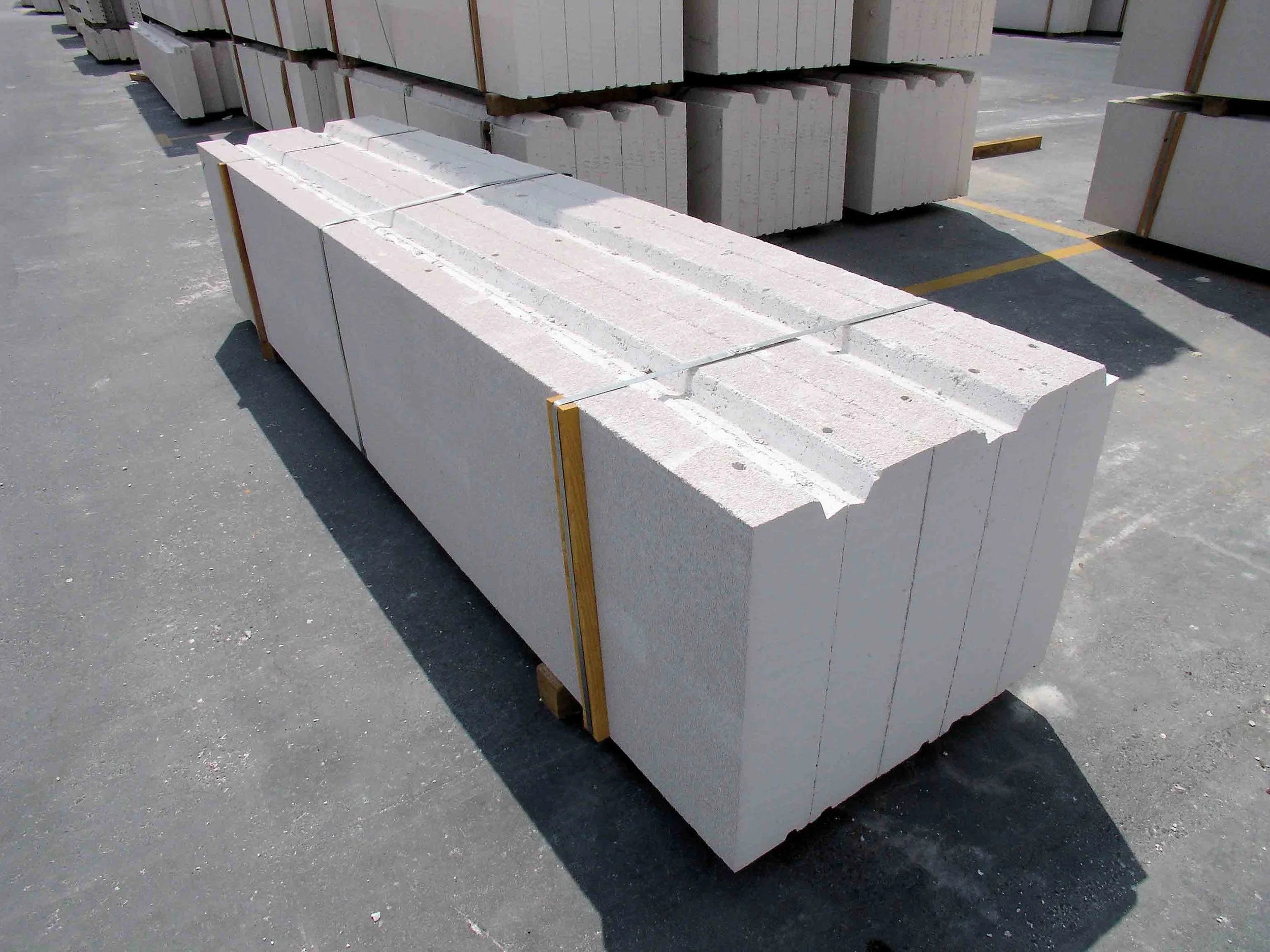
Large-Format Panels
Lightweight AAC panels with double internal steel reinforcement in thicknesses of 4-12 inches and lengths up to six meters (19’-8”).
✓ Wall Panel
✓ Floor & Roof Panel
✓ Vertical Load-bearing Wall Panel
✓ Fence & Sound Wall
LAB TESTED & CODE APPROVED
All Megaacrete AAC products have been tested and accepted into U.S. building codes and standards and are covered by evaluation reports issued by IAPMO.
Certifications & Listings
IAPMO ES: Demonstrating conformance with standards and codes.

CLASSIFIED UL: Classified fire-rated floor and wall assemblies.

IBU: Environmental Product Declaration (EPD) Reports.

eco INSTITUT: Non-hazardous materials and components.

GDOT: Listed QPL-90 noise barriers for highway infrastructure.

TDI: Windstorm insurance product evaluation listing MA-05.

Design Standards
aci: Specifications for AAC masonry and reinforced panels.

THE MASONRY SOCIETY: Building code requirements for masonry structures.

ASCE: Building code requirements for masonry structures.

Research & Testing
ASTM INTERNATIONAL: Governing standards for manufacturing and quality control
TEXAS: Structural testing and evaluation that led to inclusion in IBC.

UNIVERSITY OF WYOMING: Structural testing of Power Floor and Power Panel.

PROJECT SUCCESS STARTS HERE
Get started with a free project evaluation — see how Modular solutions can improve your design outcomes, speed up construction, and maximize project value.