
Autoclaved Aerated Concrete (AAC) Floor & Roof PANEL
Structural precast panels that are faster, lighter, and less expensive than conventional steel and concrete floor & roof systems
Max Span
19’-8”
Fast
installation
For CFS, Steel, and Concrete Frames
Load-bearing Panels
STC 46-53 Sound Reduction
4-Hour Fire Rating
Floor & Roof panels
→
→
How it works
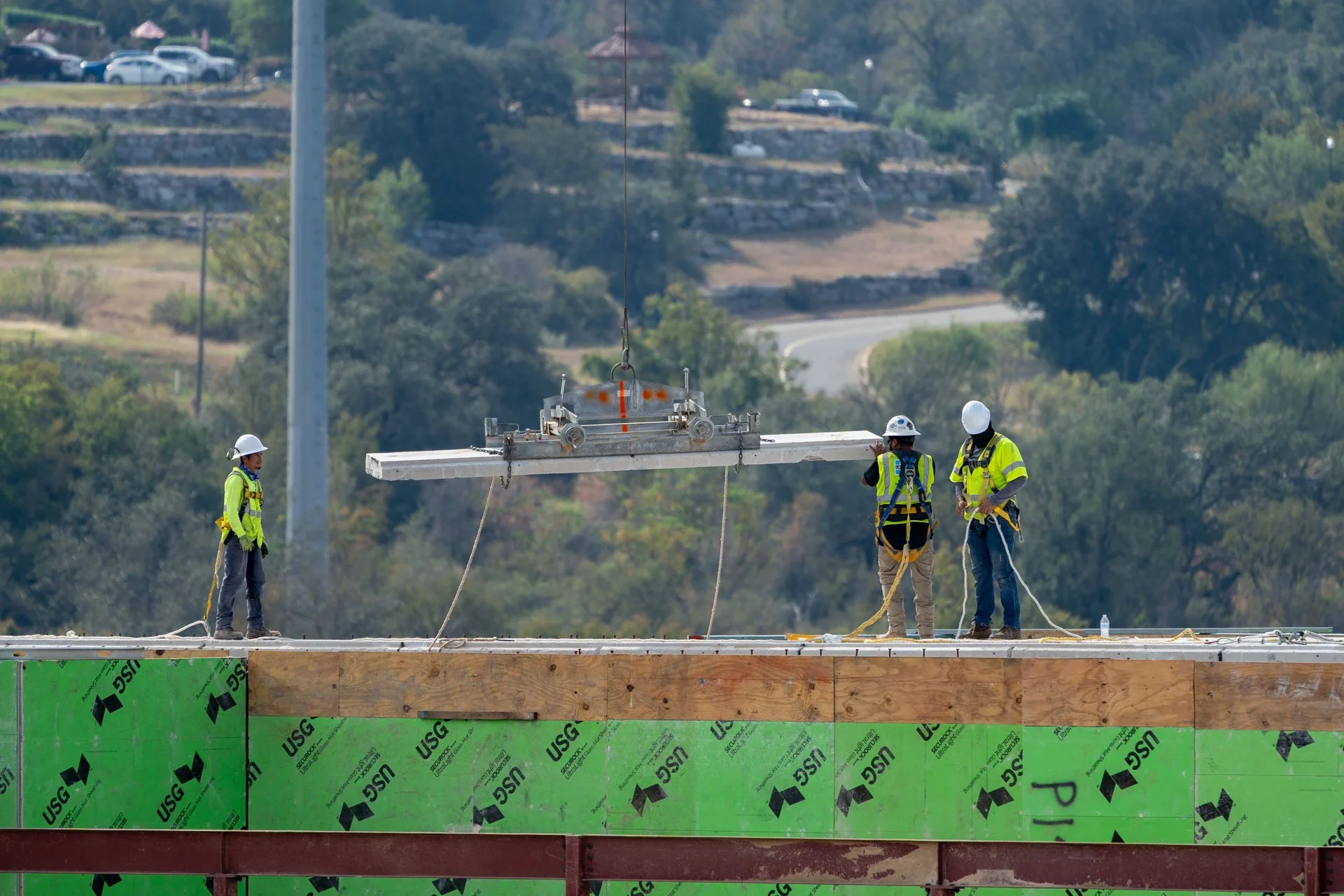
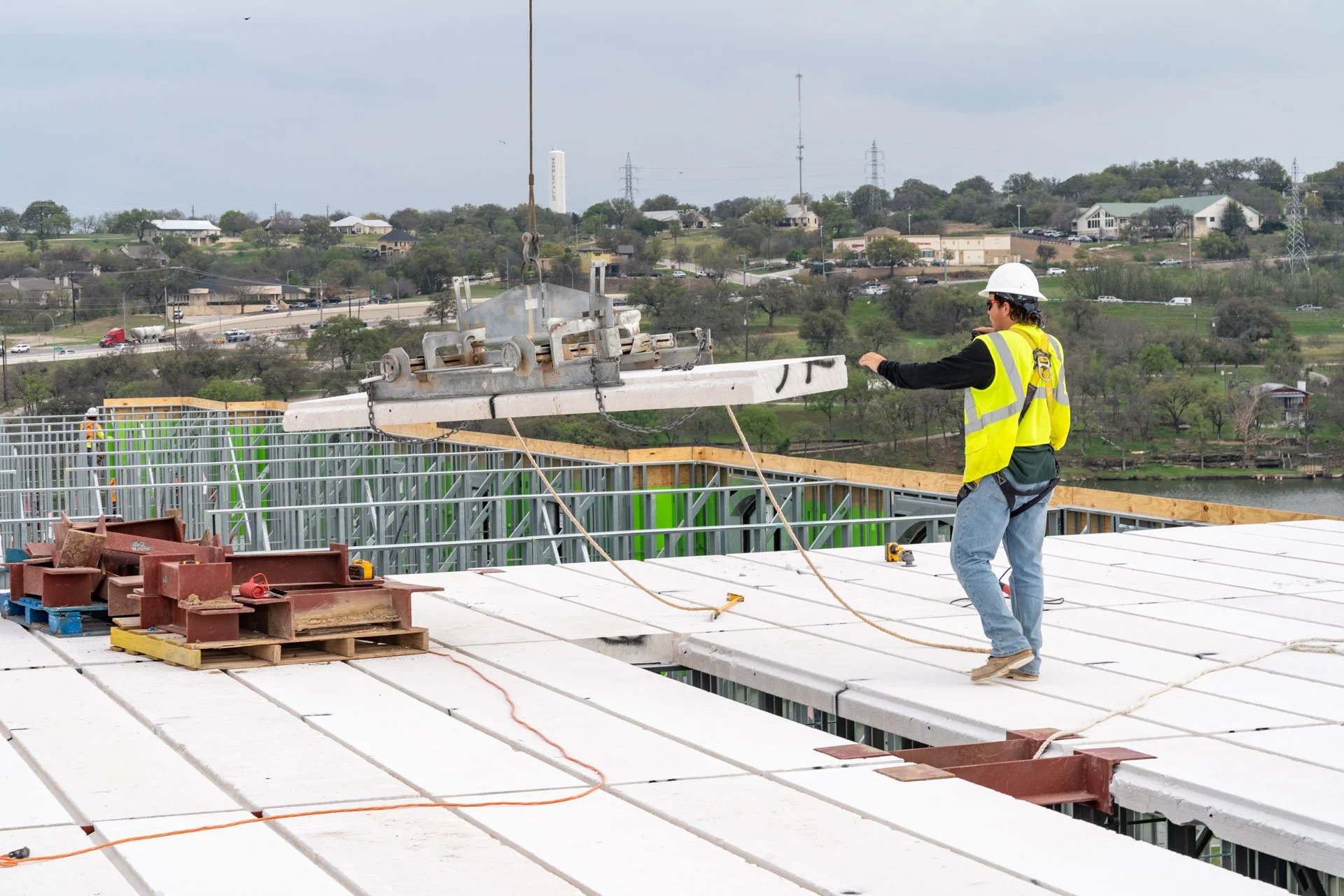
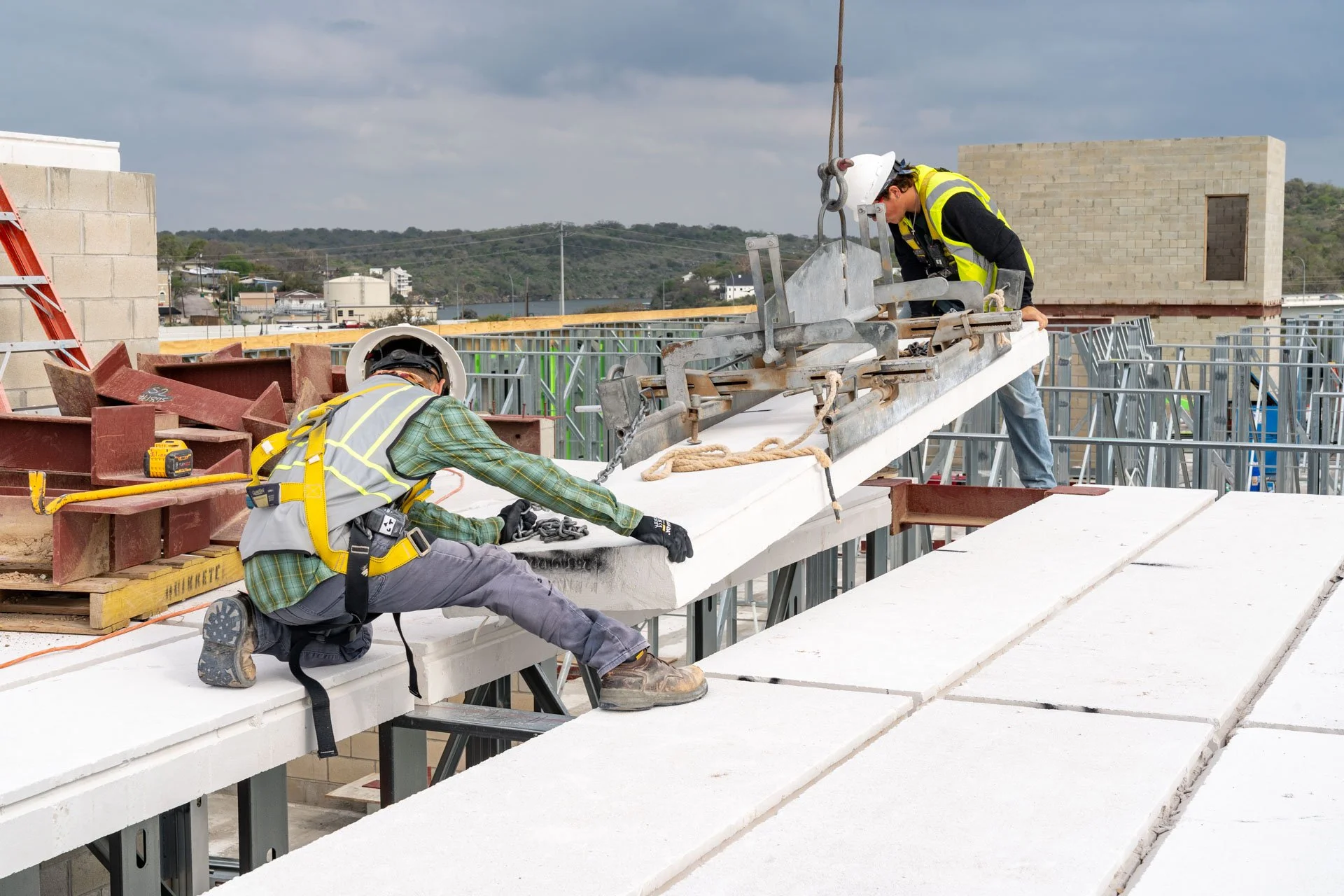
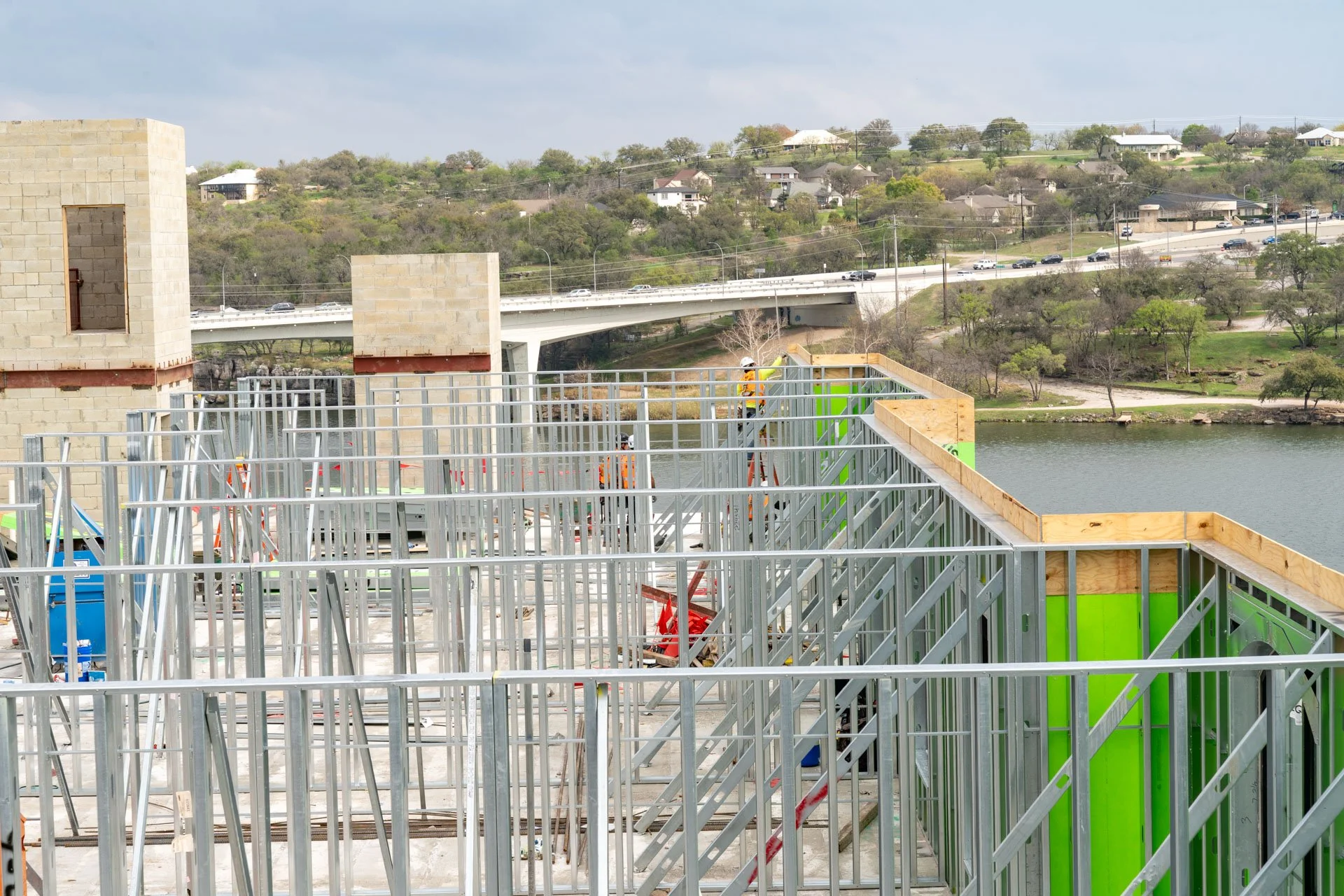
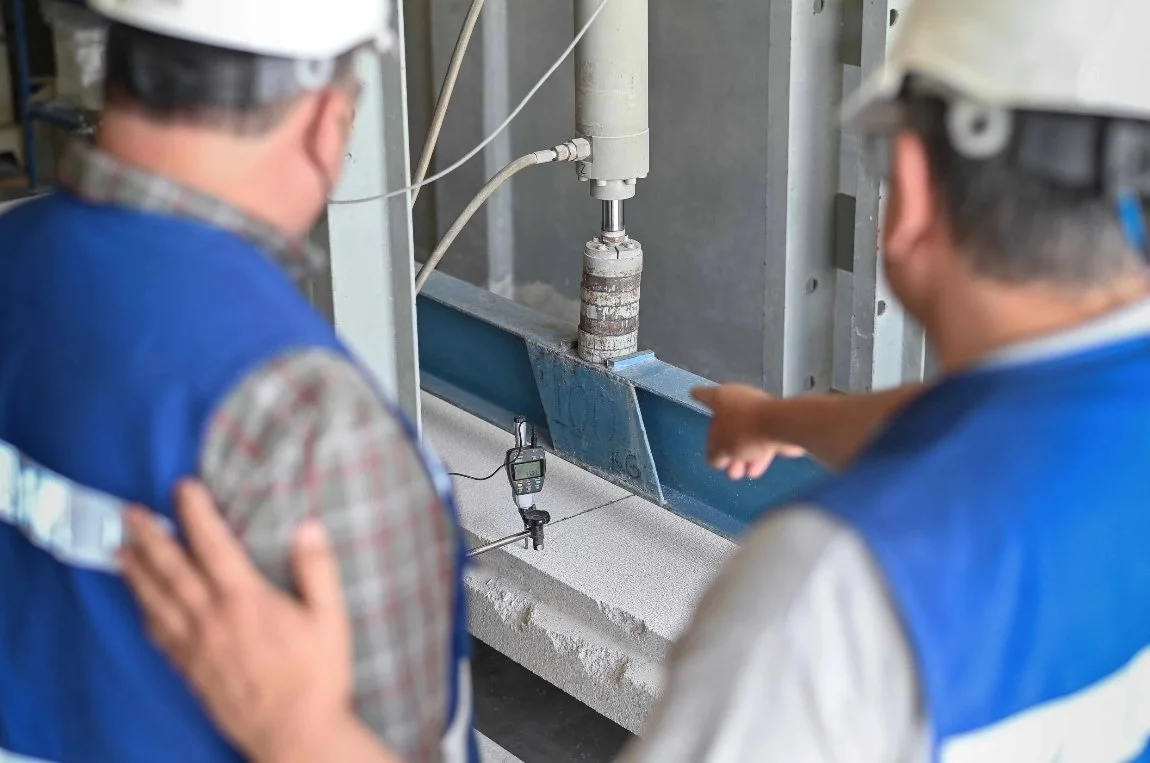
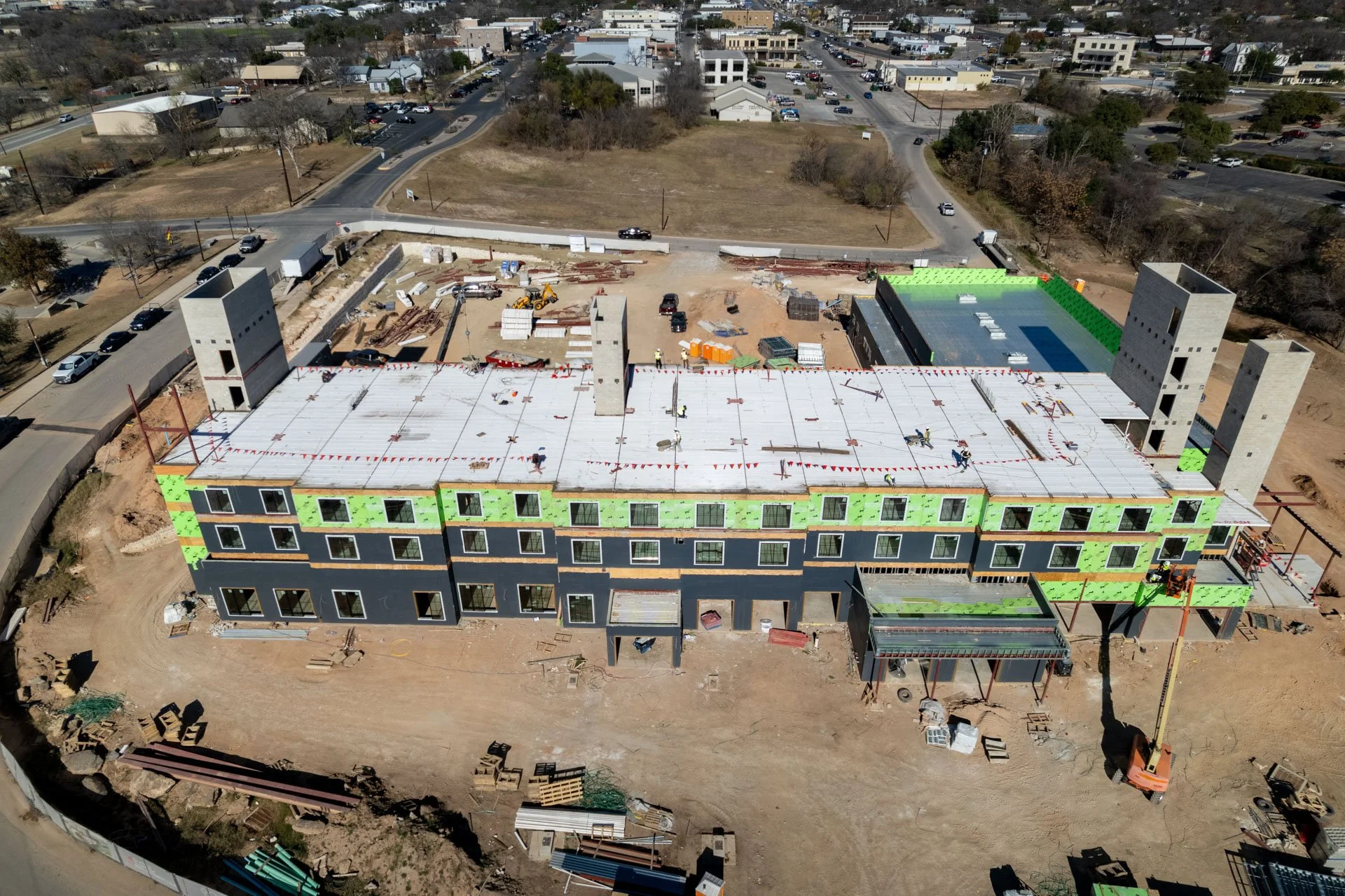
Precast AAC floor and roof panels are lifted into place and set on cold-formed steel, structural steel, AAC masonry, or concrete structural frames, joints are grouted, and panels are locked together with a cast-in-place concrete ring beam.
Structural Frame
Floor & Roof
Panels
Floor/Roof Finish
WHY BUILDING OWNERS CHOOSE AAC FLOOR & ROOF PANELS
Owners choose AAC floor and roof panels for reduced construction time and costs along with improved occupant experience, fire protection, and long-term durability.
DURABILITY + RESILIENCE
✓ Moisture and rot resistant
✓ Fire protection
PERFORMANCE
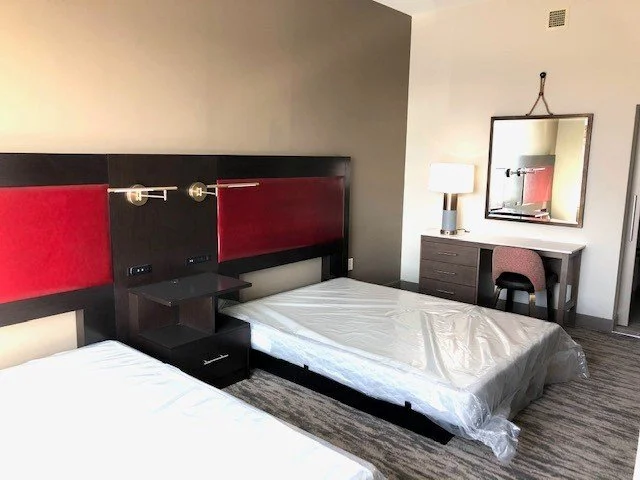
✓ Improved occupant experience
✓ High sound reduction
✓ Reduced assembly and structure weight
✓ Thermal performance
LOWER TOTAL COSTS
✓ Faster installation
✓ Construction cost savings
✓ Reduced trade coordination and sequencing risk
WHERE FLOOR AND ROOF PANELS ARE USED
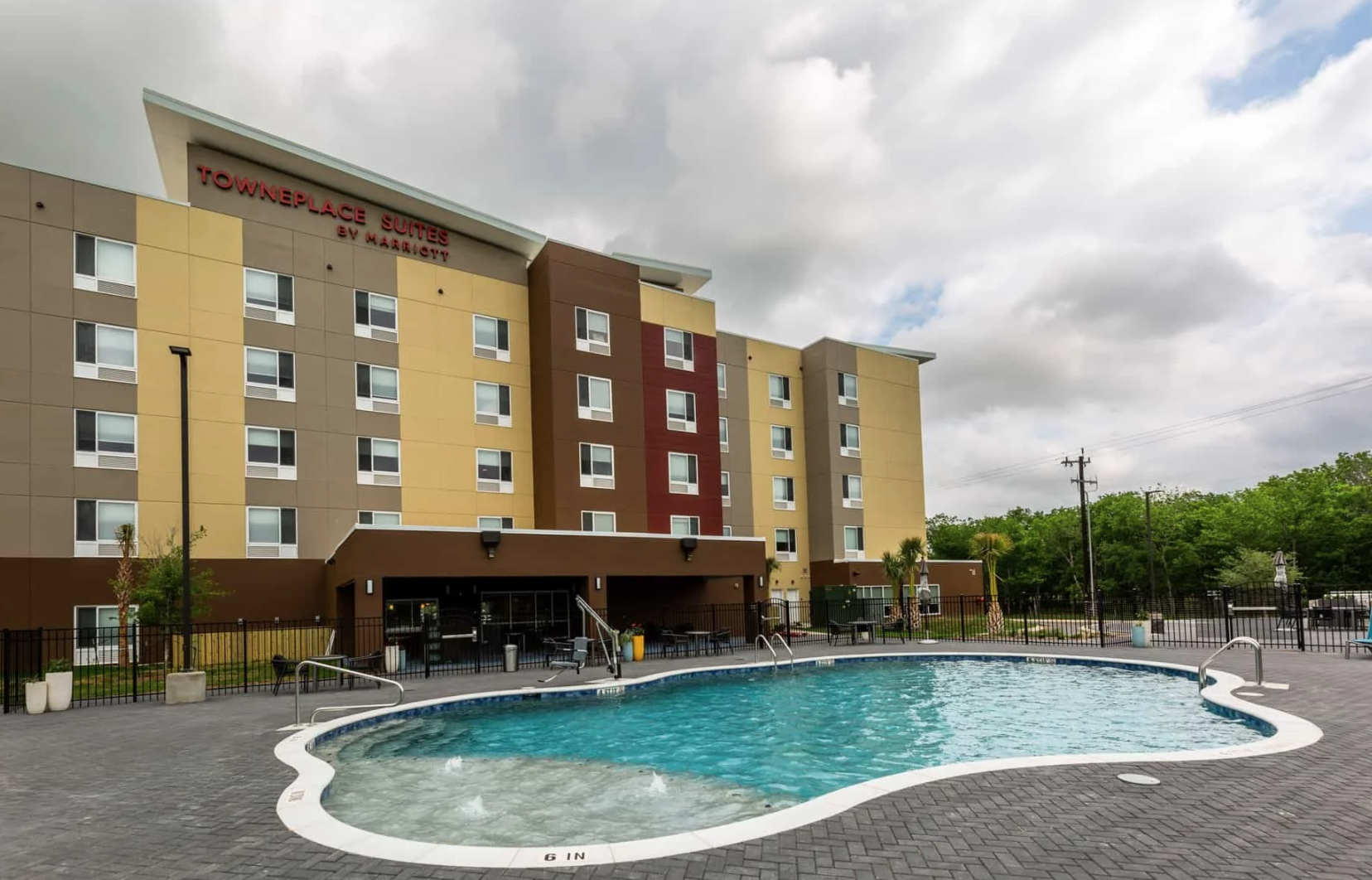
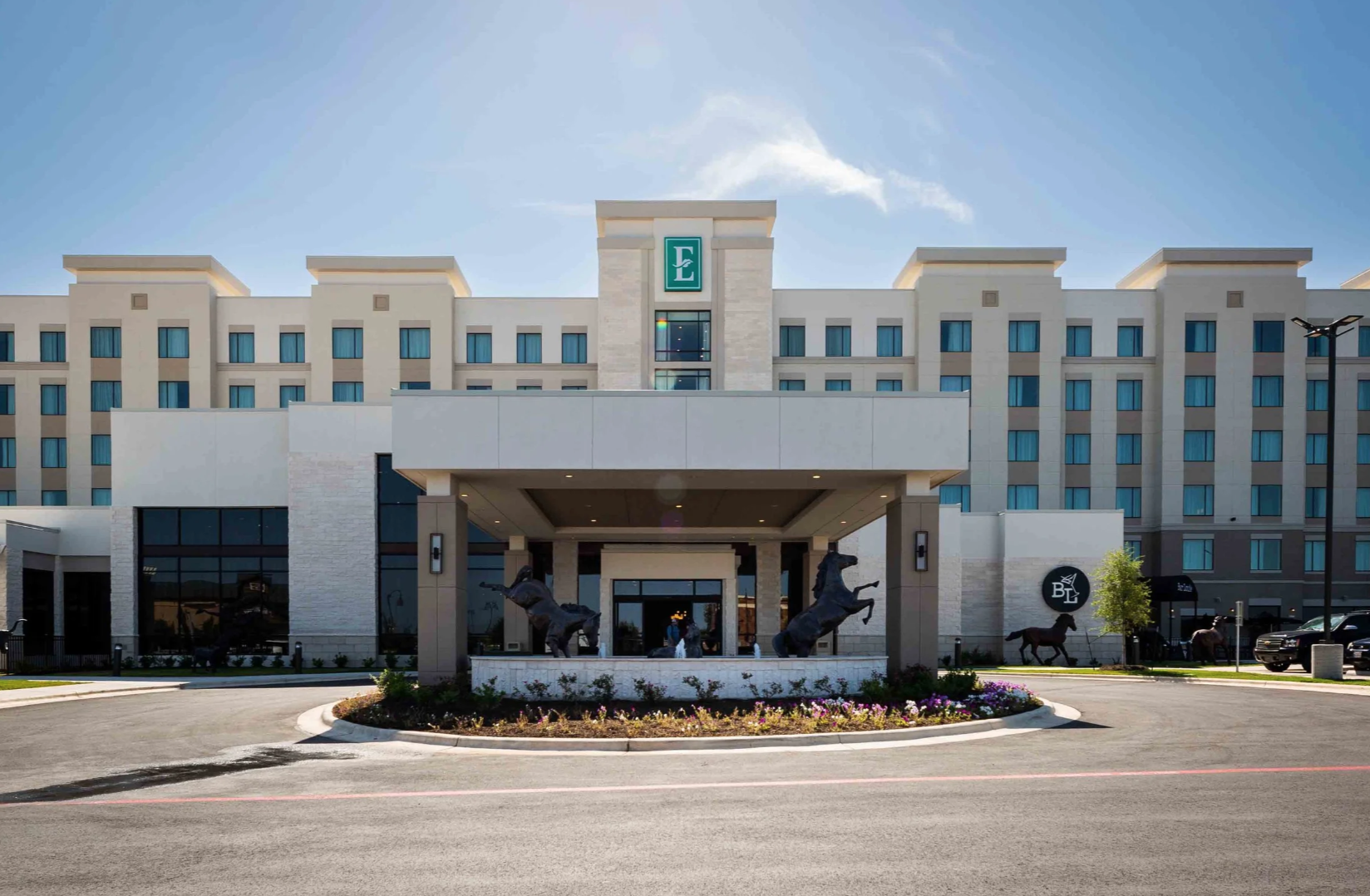
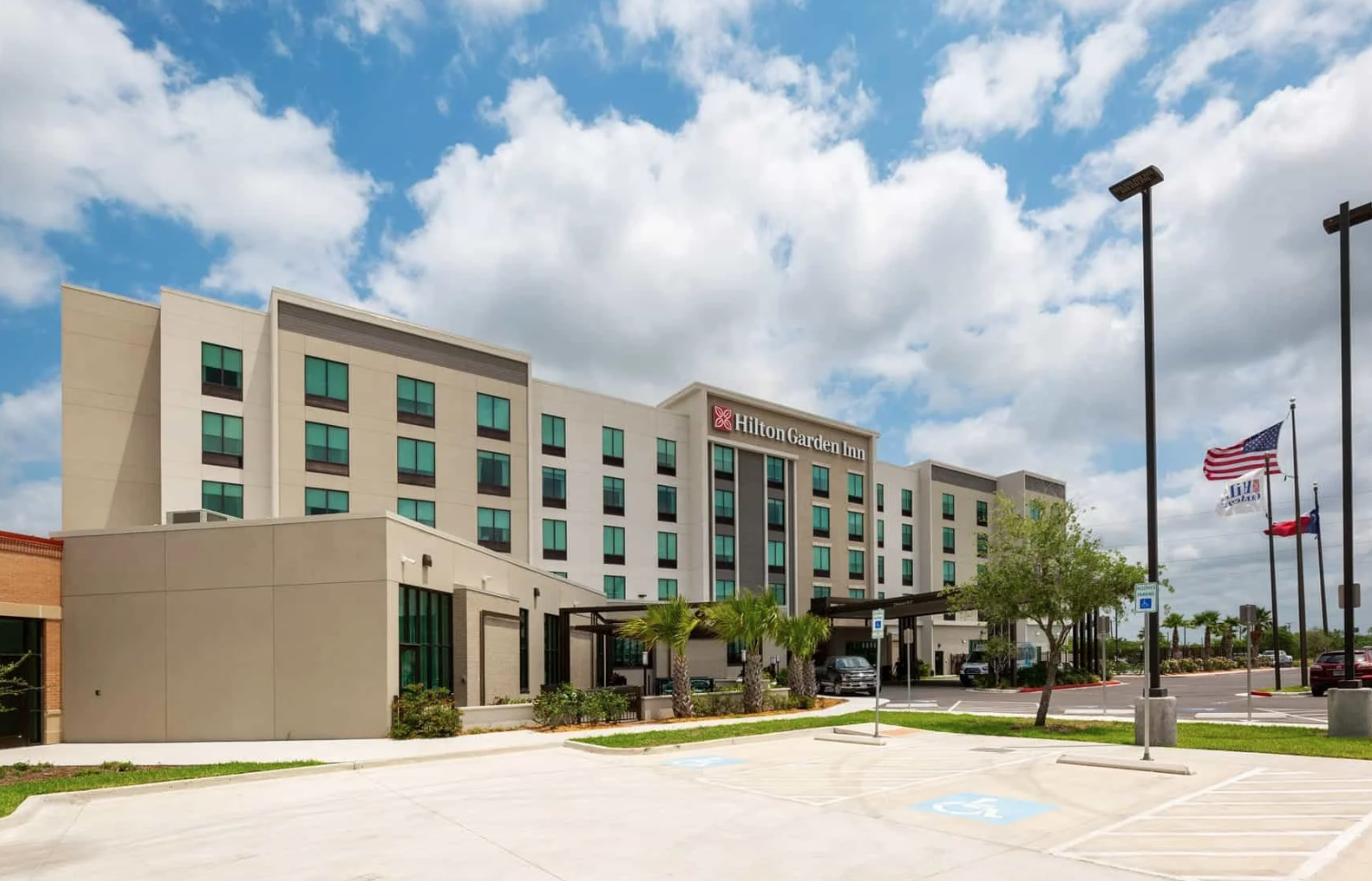
Floor and roof panels are well-suited for projects requiring high quality occupant experiences, fire resistance, and construction time and cost savings.
✓ Hospitality
✓ Senior Care
✓ Student Housing
✓ Multifamily
✓ Healthcare
✓ Office
floor & roof VIDEO OVERVIEW
HEAR HOW AAC FLOOR & ROOF PANELS PROVIDE A LIGHTWEIGHT, LOAD-BEARING ALTERNATIVE TO CONVENTIONAL FLOOR AND ROOF SYSTEMS.
COMPARISON TO TRADITIONAL FLOOR AND ROOF SYSTEMS
AAC floor and roof panels simplify and speed up construction compared to conventional floor and roof assemblies while providing best-in-class performance and durability.
COMPARISON TO TRADITIONAL FLOOR AND ROOF SYSTEMS
AAC floor and roof panels simplify and speed up construction compared to conventional floor and roof assemblies while providing best-in-class performance and durability.
Wood and Metal Framing
WEAK POINTS
Combustible and vulnerable to fire damage
Susceptible to moisture and rot
Requires multiple layers of materials and construction steps
Low performance systems
AAC ADVANTAGE
Non-combustible construction
Fully integrated structural system
Precast assembly that reduces construction steps and time
Resistant to moisture, mold, rot, and pests
Steel Deck + Concrete
Weak Points
Multi-step process (decking, reinforcing, pouring, curing)
Longer schedules due to pouring and curing time
Additional fireproofing steps
Significant weight and
AAC ADVANTAGE
Precast panels eliminates need for concrete pours
Faster installation sequence
Fewer trades and steps
Integrated fire protection
Cost and time savings
Precast Hollow-Core Concrete
Weak Points
Heavier and larger panels requiring larger equipment
Limited field modification flexibility
Not insulated
AAC ADVANTAGE
Lighter weight panels
Simplified detailing and installation
Faster and more flexible installation
Insulation and fire protection included
SYSTEM
Wood and Metal Framing
Steel Deck + Concrete
Precast Hollow-Core Concrete
WEAK POINTS
Combustible and vulnerable to fire damage
Susceptible to moisture and rot
Requires multiple layers of materials and construction steps
Low performance systems
Multi-step process (decking, reinforcing, pouring, curing)
Longer schedules due to pouring and curing time
Additional fireproofing steps
Significant weight and structural requirements
AAC Advantage
Heavier and larger panels requiring larger equipment
Limited field modification flexibility
Not insulated
Non-combustible construction
Fully integrated structural system
Precast assembly that reduces construction steps and time
Resistant to moisture, mold, rot, and pests
Precast panels eliminates need for concrete pours
Faster installation sequence
Fewer trades and steps
Integrated fire protection
Cost and time savings
Lighter weight panels
Simplified detailing and installation
Faster and more flexible installation
Insulation and fire protection included
TYPICAL ASSEMBLIES & INSTALLATION
Floor and roof panels are placed on structural frames, locked together with grouted keyways and concrete ring beams, and then finished with common floor finishes or roofing materials.
Panels typically weigh 350-1,300 pounds
Can use smaller cranes
Fast installation with 4-5 person crew
UL fire-rated assemblies available
-
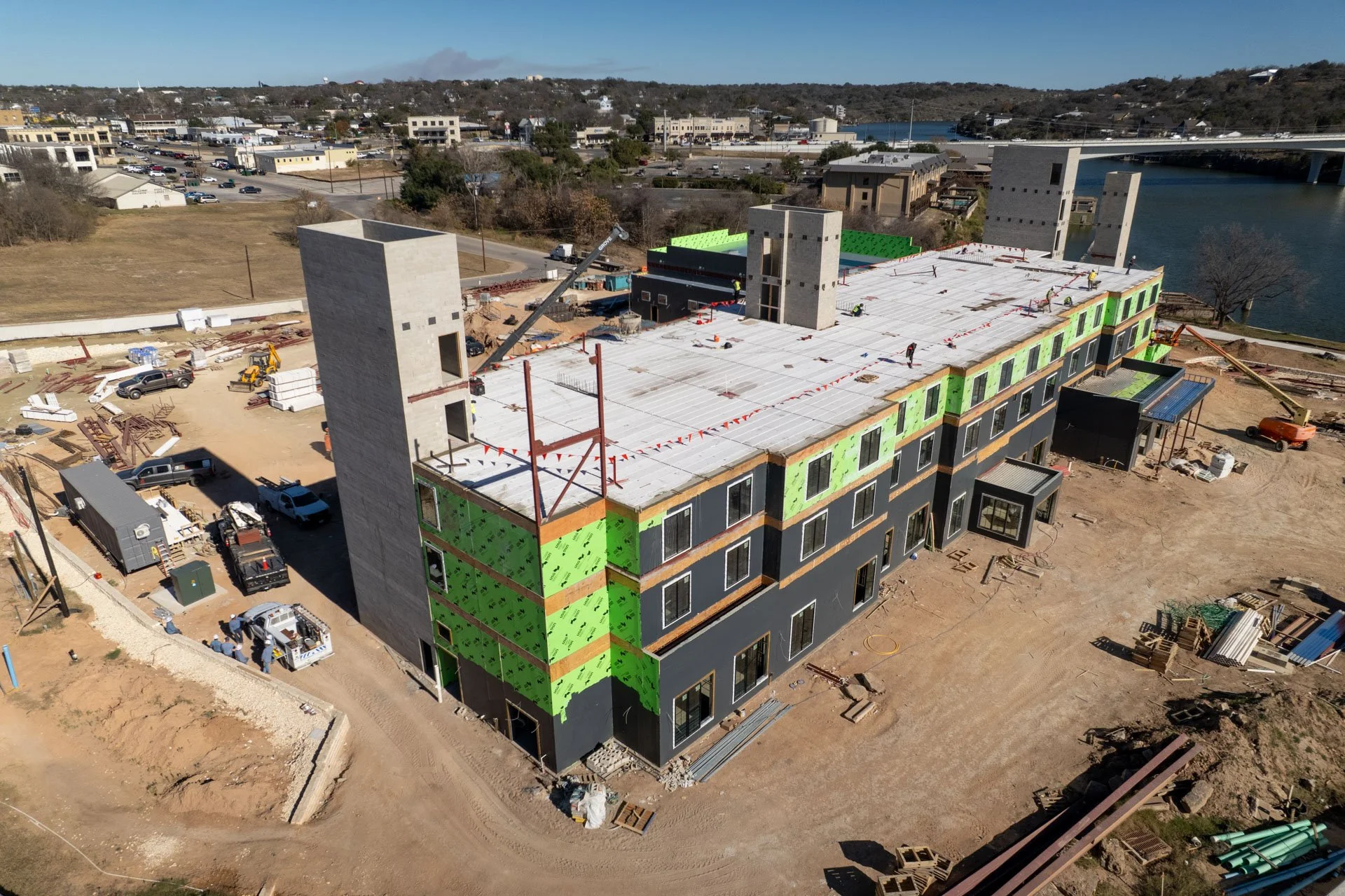
typical assembly
Floor finish
Floor panel
Structural frame (CFS, steel, concrete)
Ceiling finish
-
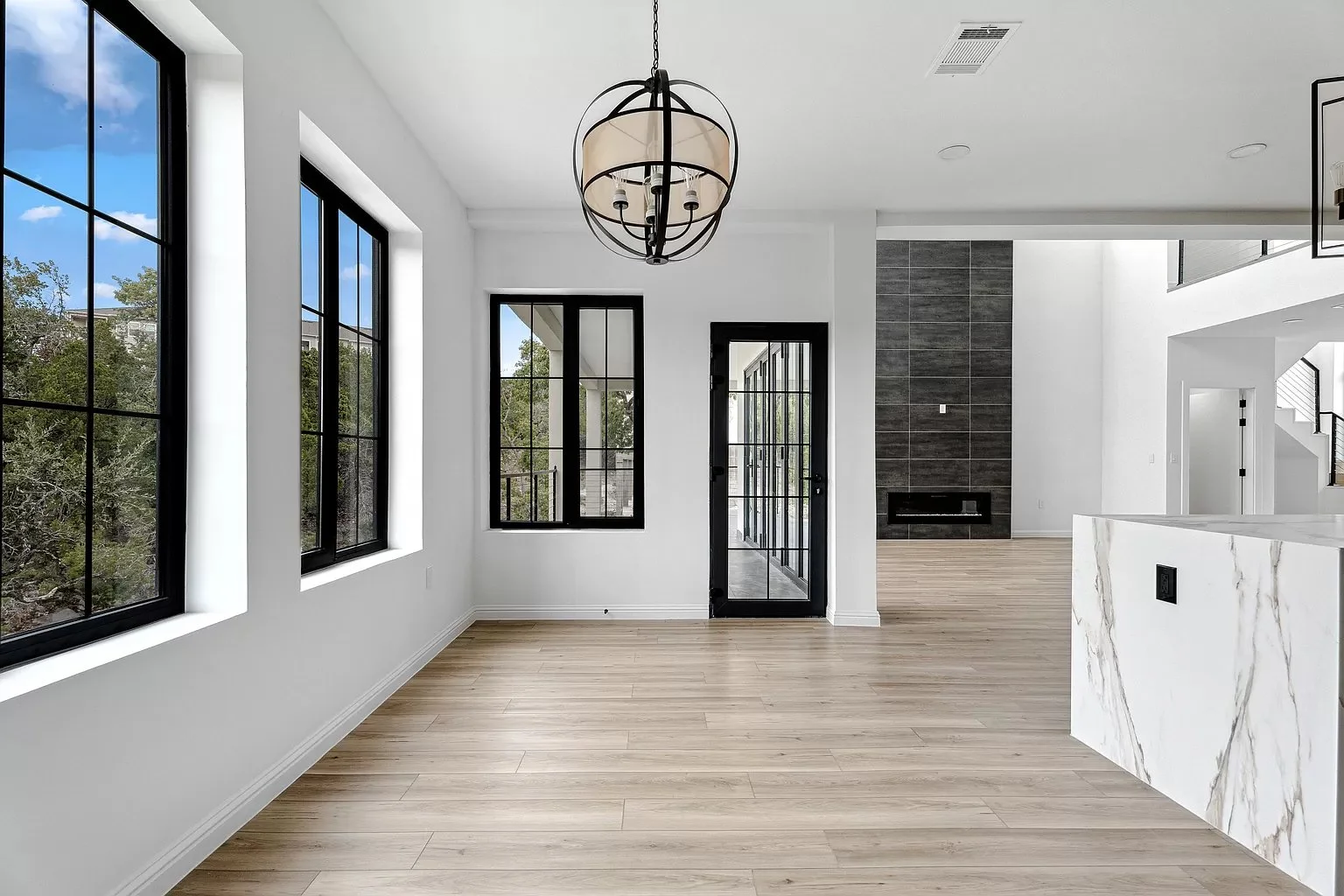
FLOOR FINISHES
Carpet
Ceramic Tile
LVT
Wood flooring
-
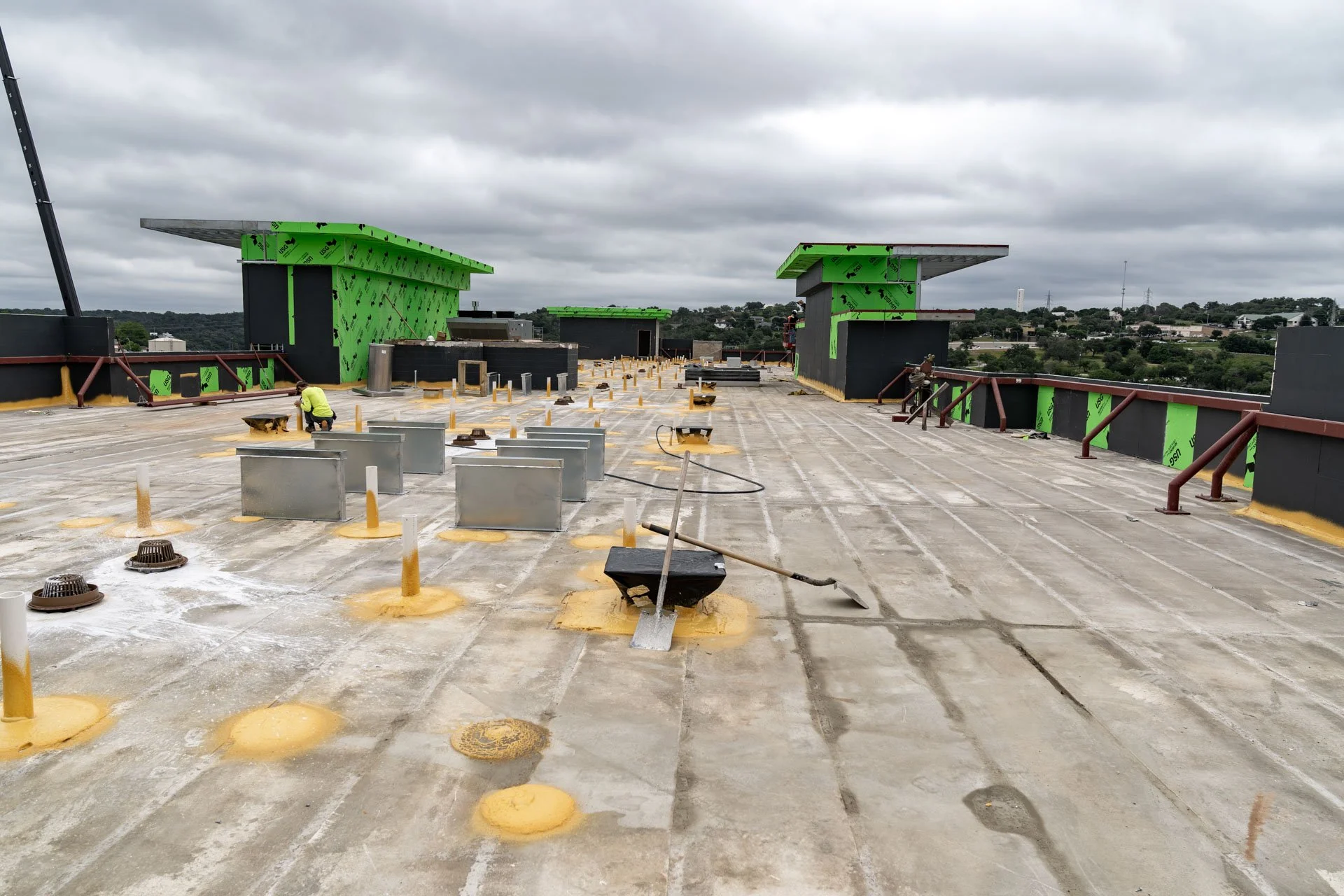
ROOF FINISHES
Tapered polyiso insulation and roof membrane
Spray polyurethane foam
REQUEST A VALUE ENGINEERING COMPARISON
Get started with a free project evaluation — see how Modular solutions can improve your design outcomes, speed up construction, and maximize project value.
DOWNLOADS
-
Product Data Sheet
-
Safety Data Sheet