
Autoclaved Aerated Concrete (AAC) WALL PANEL
Resilient, insulated precast concrete wall system for steel and concrete structures
STC 47-53 Sound Reduction
Fast installation
Continuous Insulation
Durable concrete envelope
4-Hour Fire Rating
Thermal Mass
wall panels
→
→
How it works
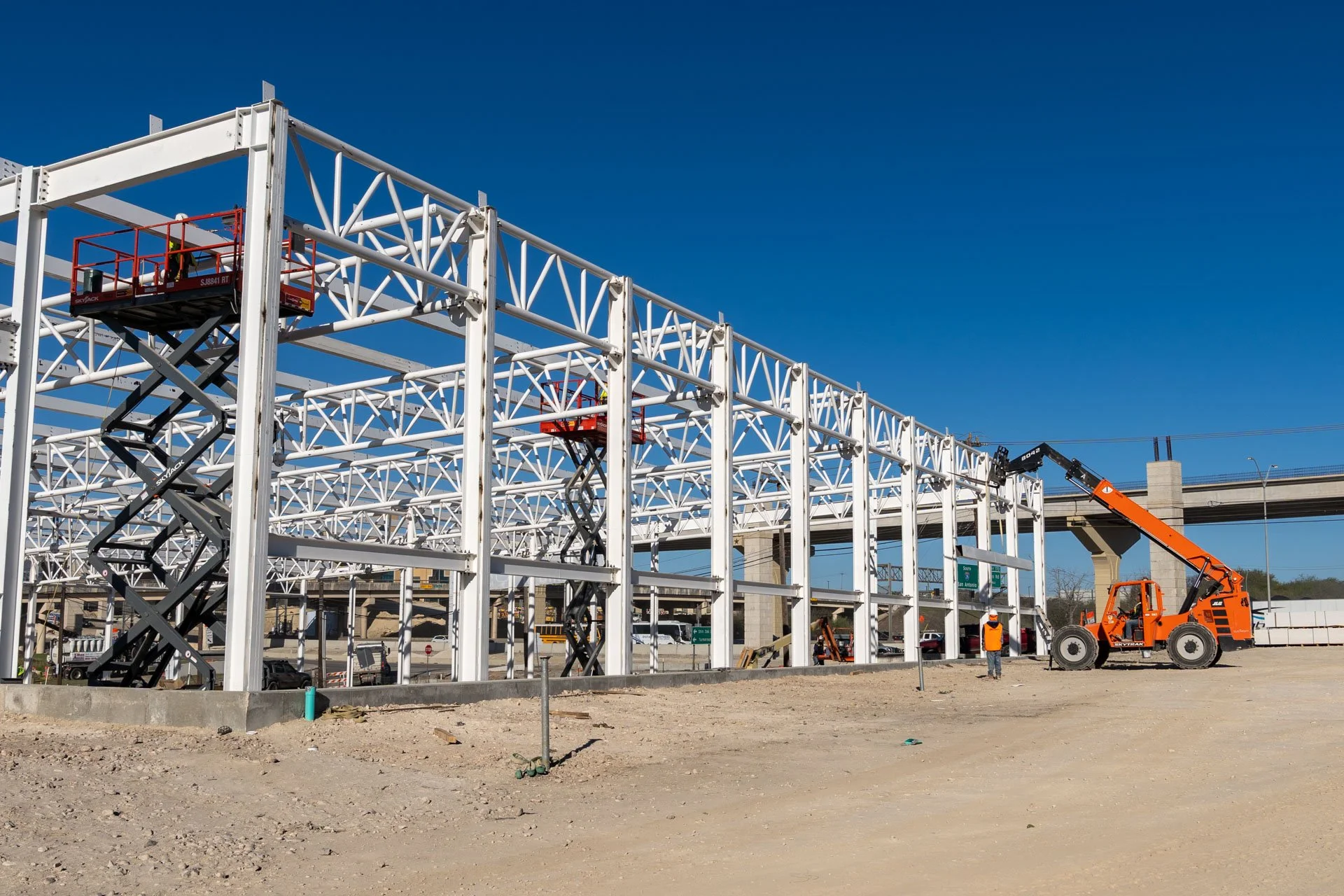
Wall panels are attached to structural frames to provide building enclosure, insulation, sound reduction, and fire protection in one system.
Structural Frame
Wall
Panels
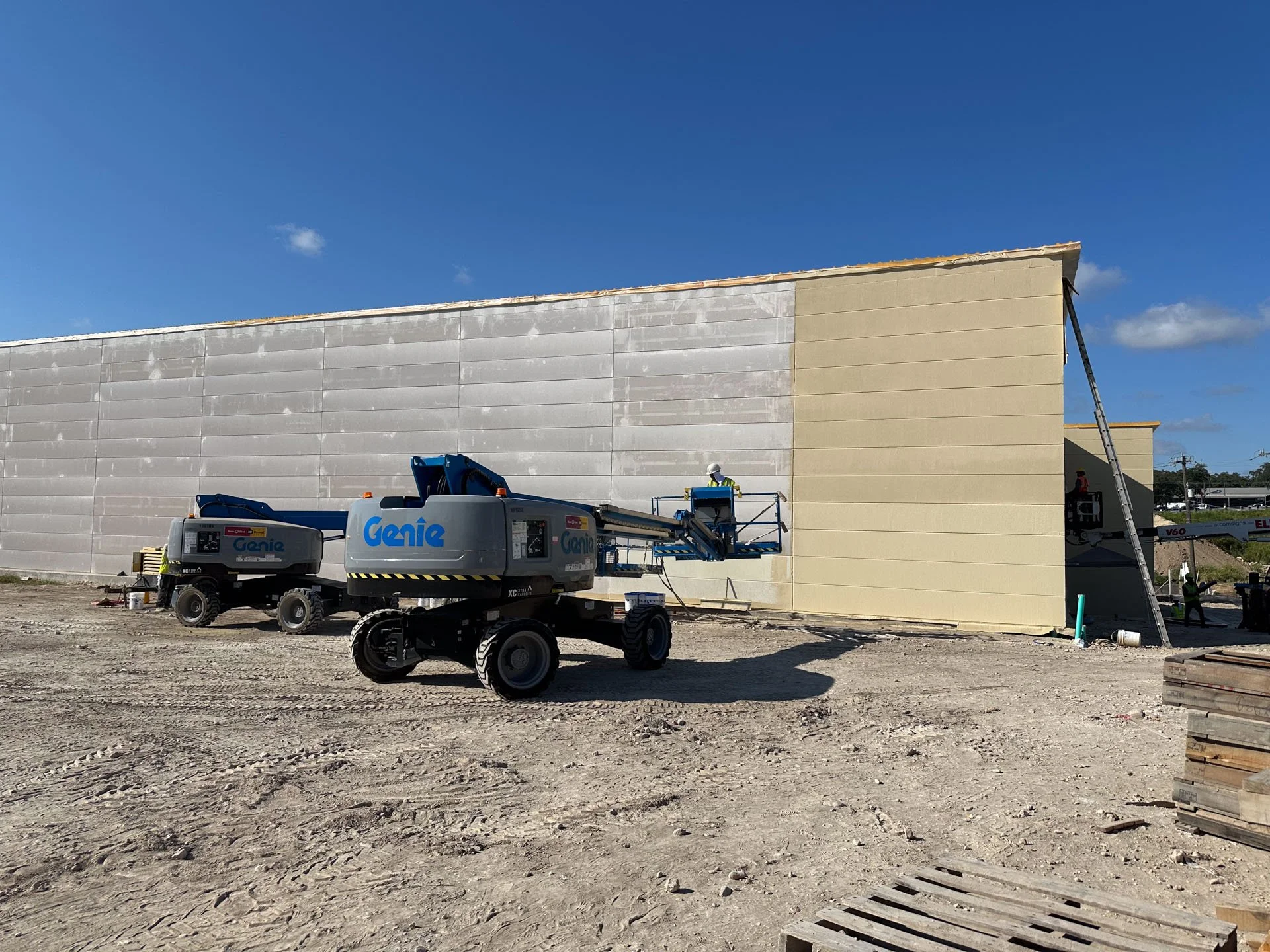
Exterior Finish
WHY BUILDING OWNERS CHOOSE AAC wall panels
Owners choose AAC wall panels for improved aesthetics and occupant experience while increasing durability and reducing long-term maintenance and operating costs.
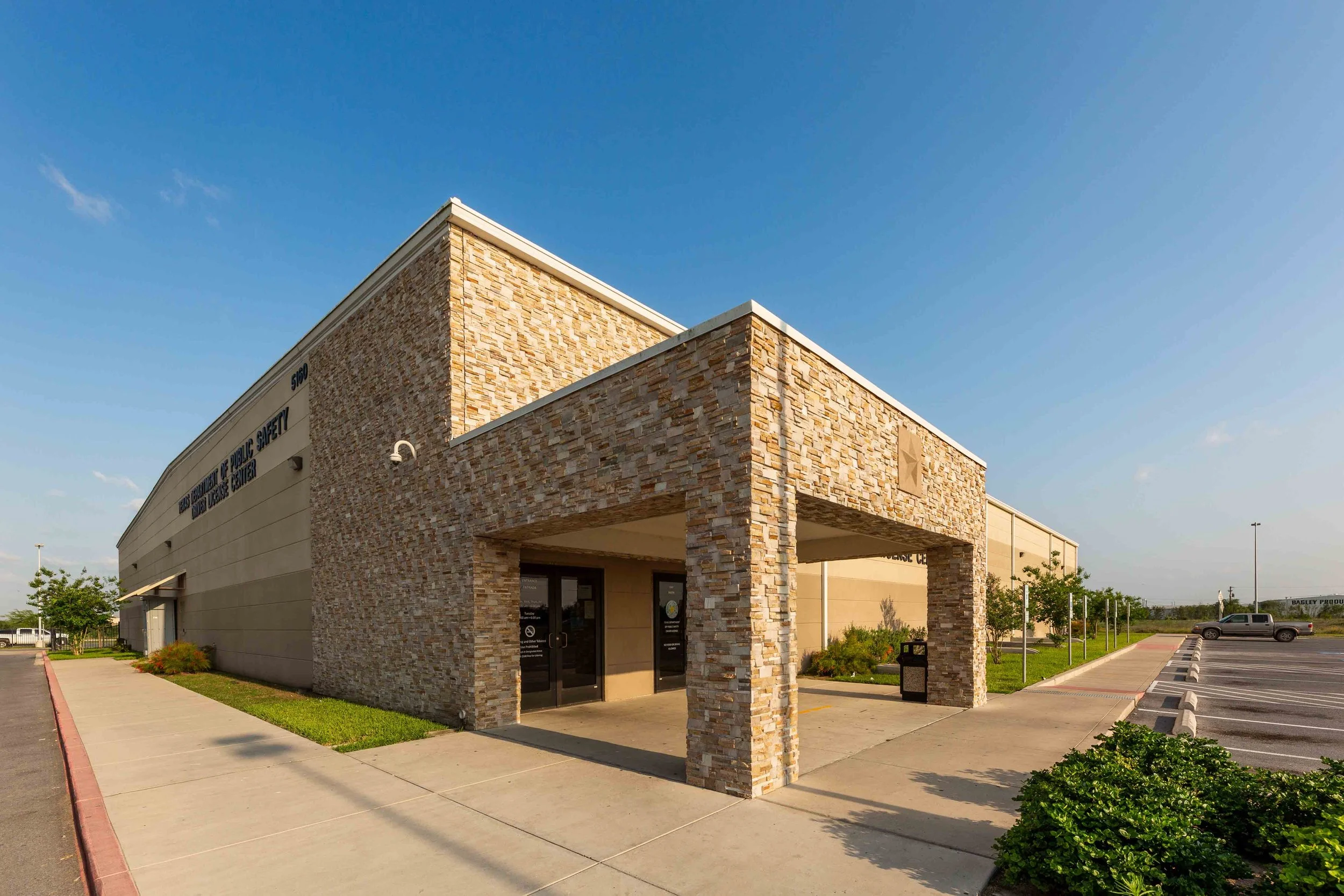
DURABILITY + RESILIENCE
✓ Eliminates foam plastic insulation
✓ Non-combustible
✓ Moisture & rot resistant
✓ Impact resistant

PERFORMANCE
✓ Continuous insulation
✓ Thermal mass
✓ No thermal bridging
✓ High sound reduction
✓ No mold or mildew

LOWER TOTAL COSTS
✓ Fast installation
✓ Eliminates steps and layers
✓ Lower energy costs
✓ Reduced maintenance
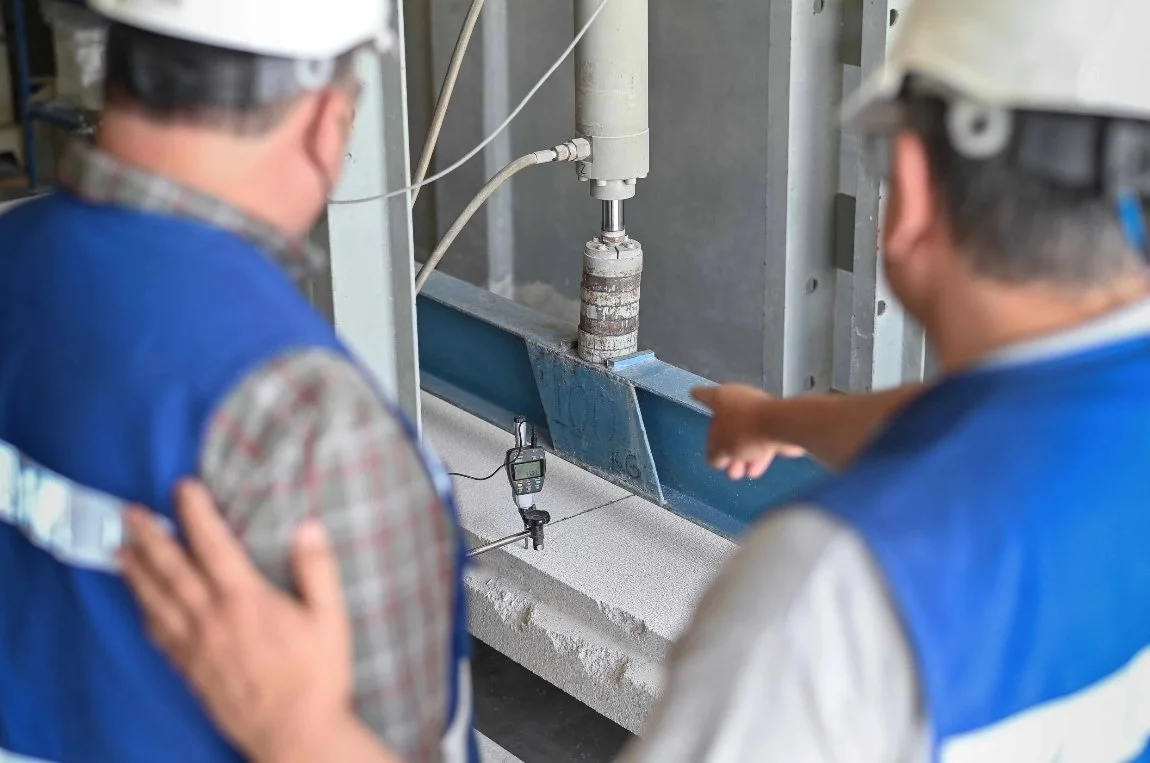
WHERE WALL PANELS ARE USED
Wall panels are used as an upgrade to pre-engineered metal building (PEMB) metal panel cladding or a more cost-effective alternative to concrete masonry (CMU) and concrete tilt panel construction.
✓ Industrial
✓ Sports Facilities
✓ Office-Warehouse Flex
✓ Retail
✓ Religious
✓ Civic & Community
✓ K-12 Education

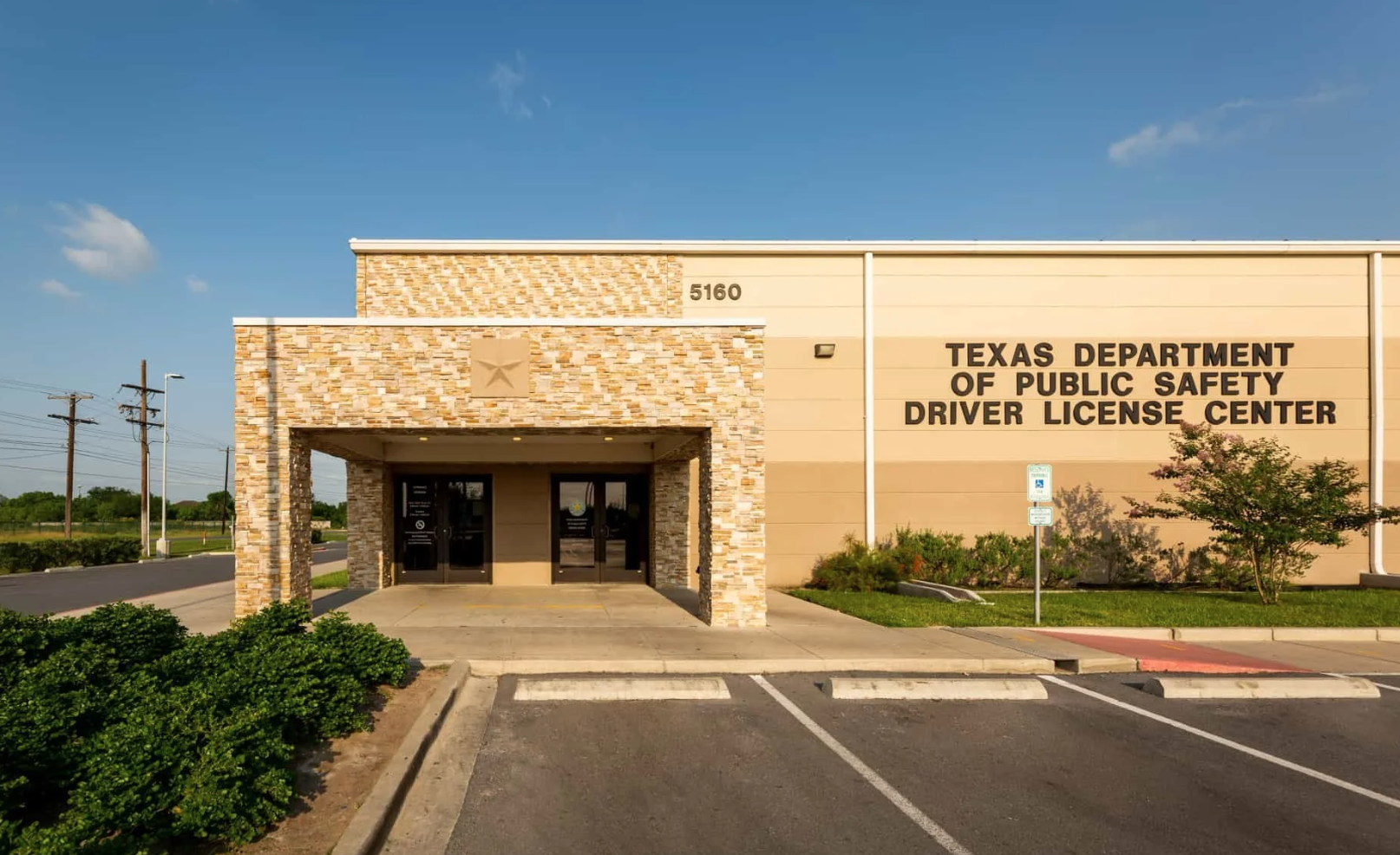
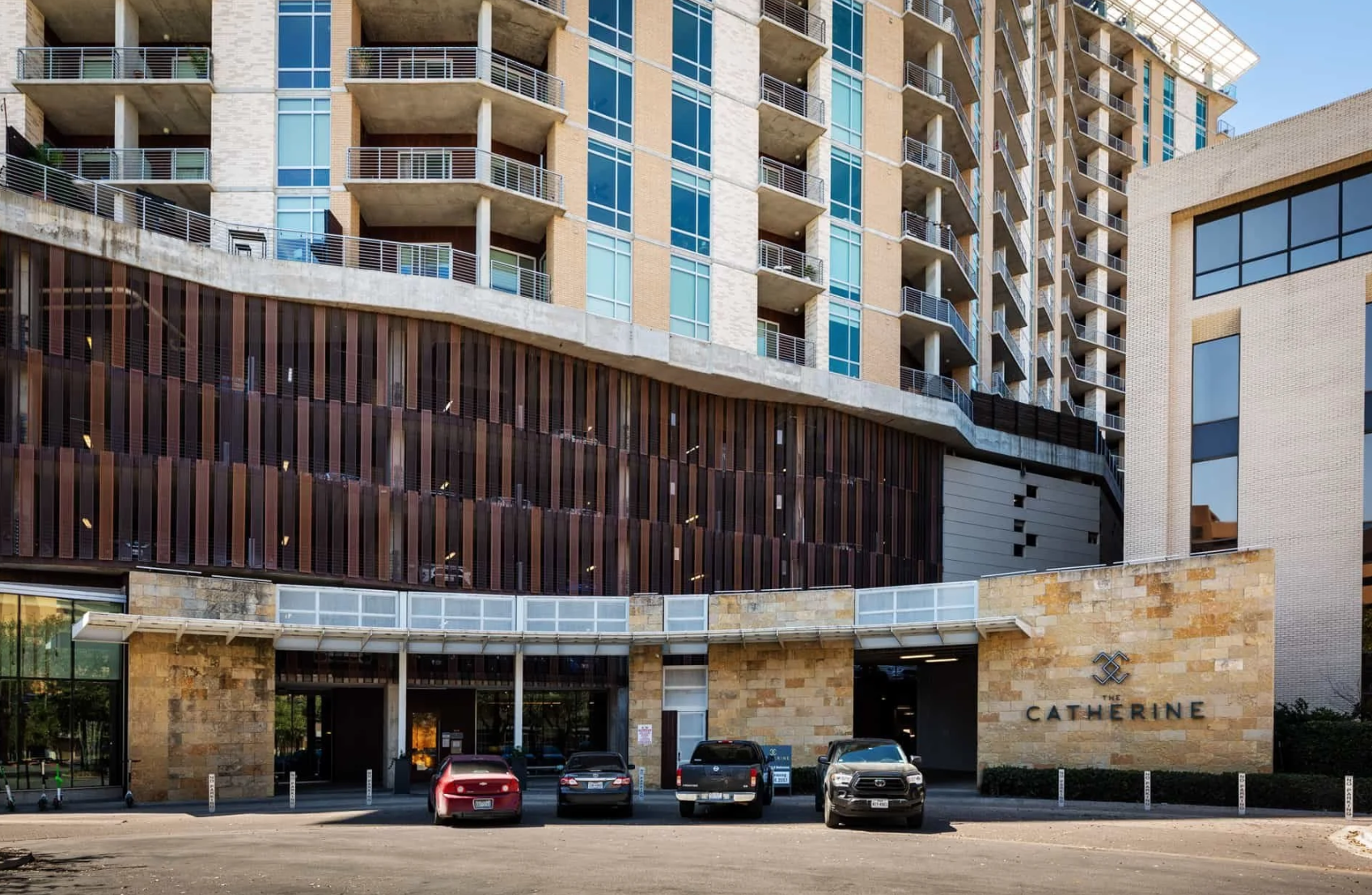
AAC wall PANEL VIDEO OVERVIEW
HEAR HOW AAC WALL PANELS CREATE A DURABLE, INSULATED BUILDING ENVELOPE FOR STEEL AND CONCRETE FRAMED BUILDINGS.

COMPARISON TO TRADITIONAL WALL SYSTEMS
Wall panels combine speed, resilience, energy efficiency, and fire protection
in an attractive wall system for PEMB, steel, and concrete buildings.
Comparison to Traditional Wall Cladding Systems
Fewer steps, fewer failure points, better durability.
PEMB Metal Building Panel
WEAK POINTS
Weak thermal performance
Limited fire resistance\
Prone to denting, oil canning, and long-term wear
Poor acoustic performance
AAC ADVANTAGE
Continuous insulation and thermal mass for top energy efficiency
Non-combustible fire protection
Rigid and impact-resistant
Attractive hard-wall enclosure
Concrete Masonry Unit (CMU)
Weak Points
More difficult insulation options to meet energy code
More than one trade to complete
Slower and more labor intensive installation
Requires scaffolding for construction
AAC ADVANTAGE
Large-format panels install faster with fewer joints
Integrated insulation eliminates thermal bridging
Fast and simple wall assembly reduces coordination risk
Reduced assembly weight
Insulated Concrete Tilt Panel
Weak Points
Requires continuous insulation on the interior or exterior
Sandwich panel tilt wall very expensive
More difficult to cast panels on smaller projects
Longer schedule due to forming, curing, erection, and insulating sequence
AAC ADVANTAGE
Lightweight panels reduce structural and equipment demands
Built-in insulation
Faster installation
Greater flexibility for smaller or constrained sites
SYSTEM
MEtal Panel
Concrete Masonry
Unit (CMU)
INSULATED CONCRETE
TILT PANEL
WEAK POINTS
Weak thermal performance
Limited fire resistance
Prone to denting, oil canning, and long-term wear
Poor acoustic performance
More difficult insulation options to meet energy code
More than one trade to complete
Slower and more labor intensive installation
Requires scaffolding for construction
AAC Advantage
Requires continuous insulation on the interior or exterior
Sandwich panel tilt wall very expensive
More difficult to cast panels on smaller projects
Longer schedule due to forming, curing, erection, and insulating sequence
Continuous insulation and thermal mass for top energy efficiency
Non-combustible fire protection
Rigid and impact-resistant
Attractive hard-wall enclosure
Large-format panels install faster with fewer joints
Integrated insulation eliminates thermal bridging
Fast and simple wall assembly reduces coordination risk
Reduced assembly weight
Lightweight panels reduce structural and equipment demands
Built-in insulation
Faster installation
Greater flexibility for smaller or constrained sites
TYPICAL ASSEMBLIES & INSTALLATION
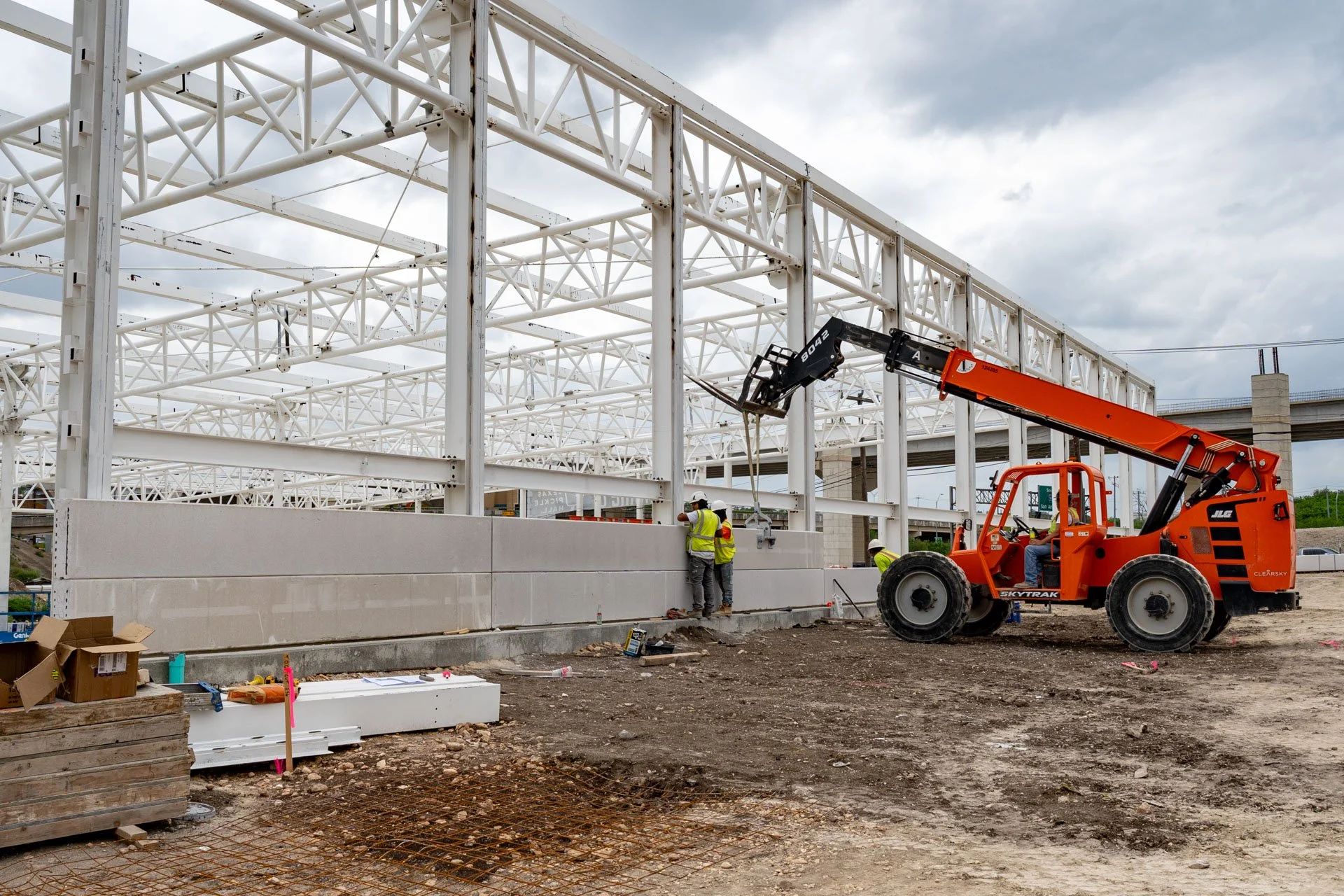
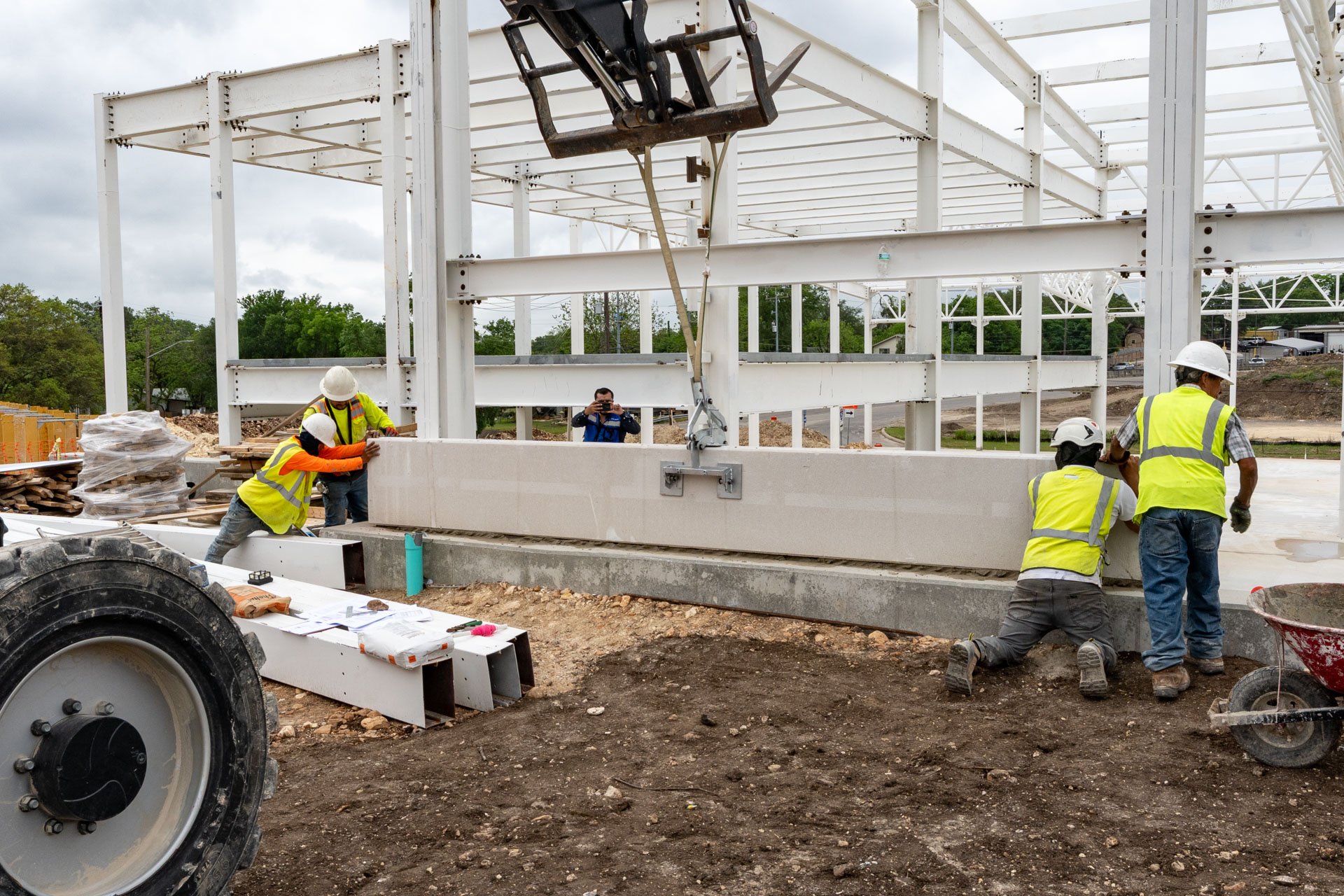
Wall panels are quickly set in place using light lifting equipment and mechanically attached to steel or concrete structural frames to create an attractive, durable, fire-resistant, and well-insulated building envelope.
Installed with small cranes or telehandlers
Fast installation with 4-5 person crew
Simple exterior finish options
UL fire-rated assemblies available
-
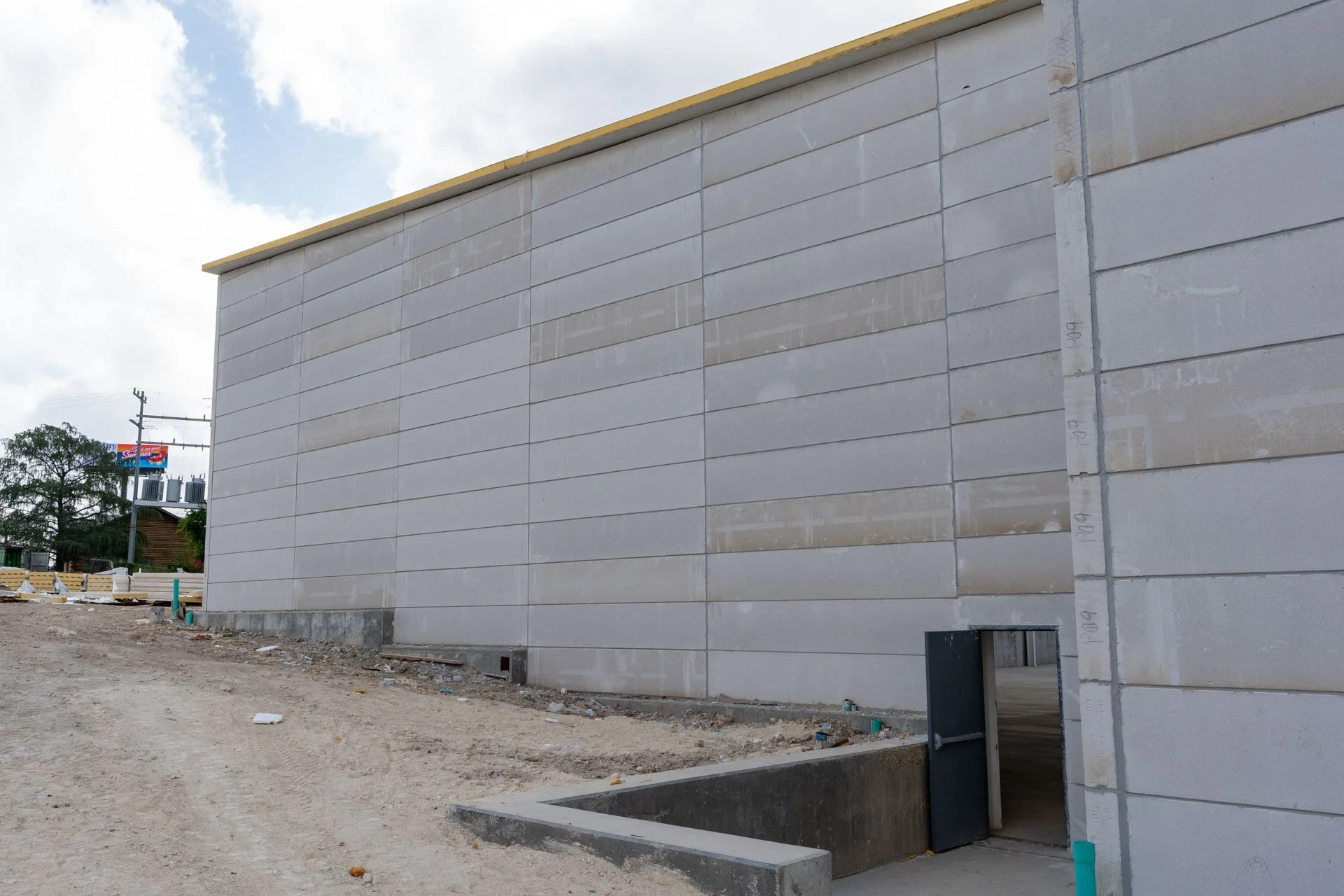
typical assembly
1. Interior finishes (optional)
2. Steel or concrete structure
3. Wall Panel
4. Exterior finishes -
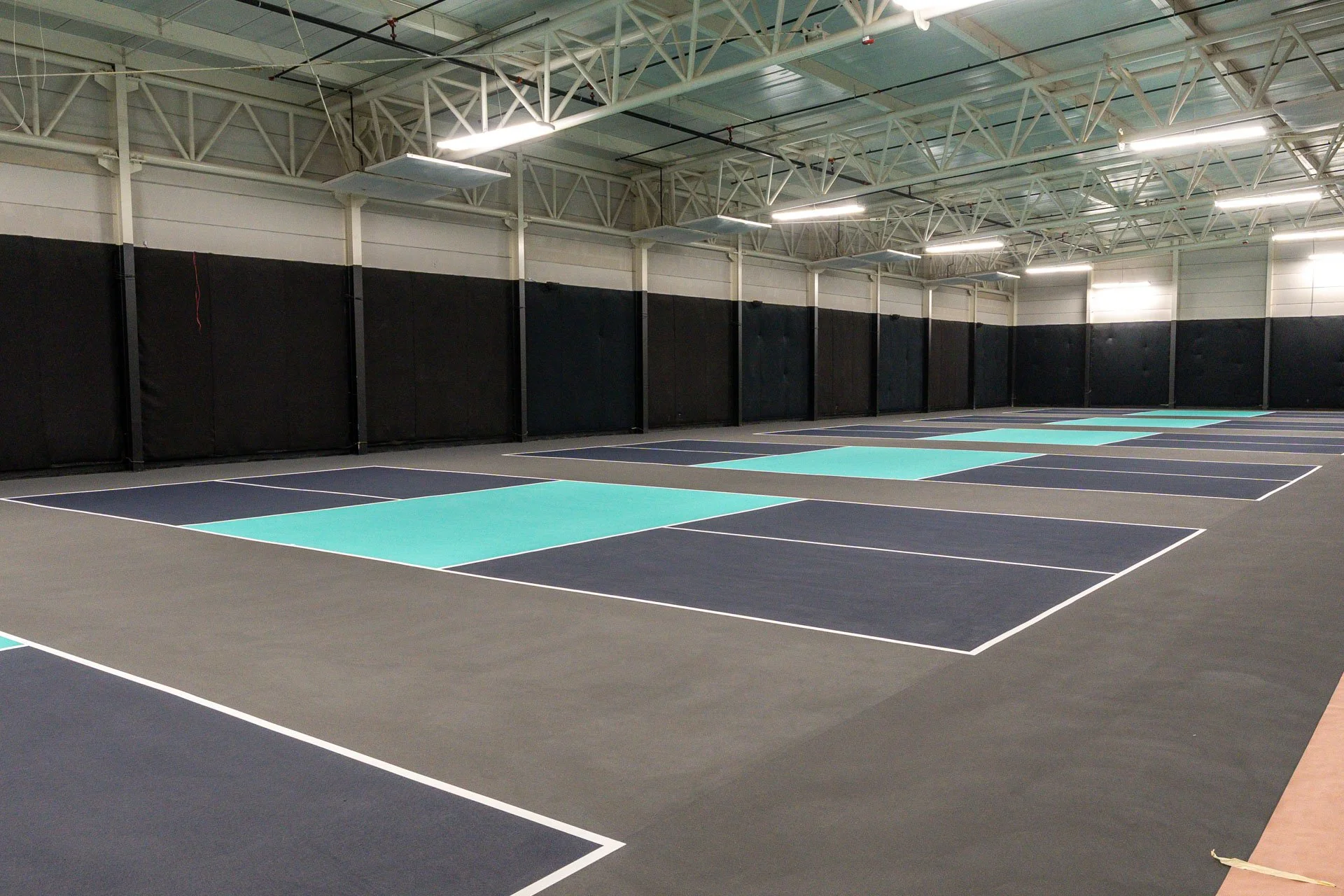
INTERIOR FINISHES
• Block-filler and paint
• Concrete coatings
• Framing and drywall
• Fiberglass reinforced panels• -
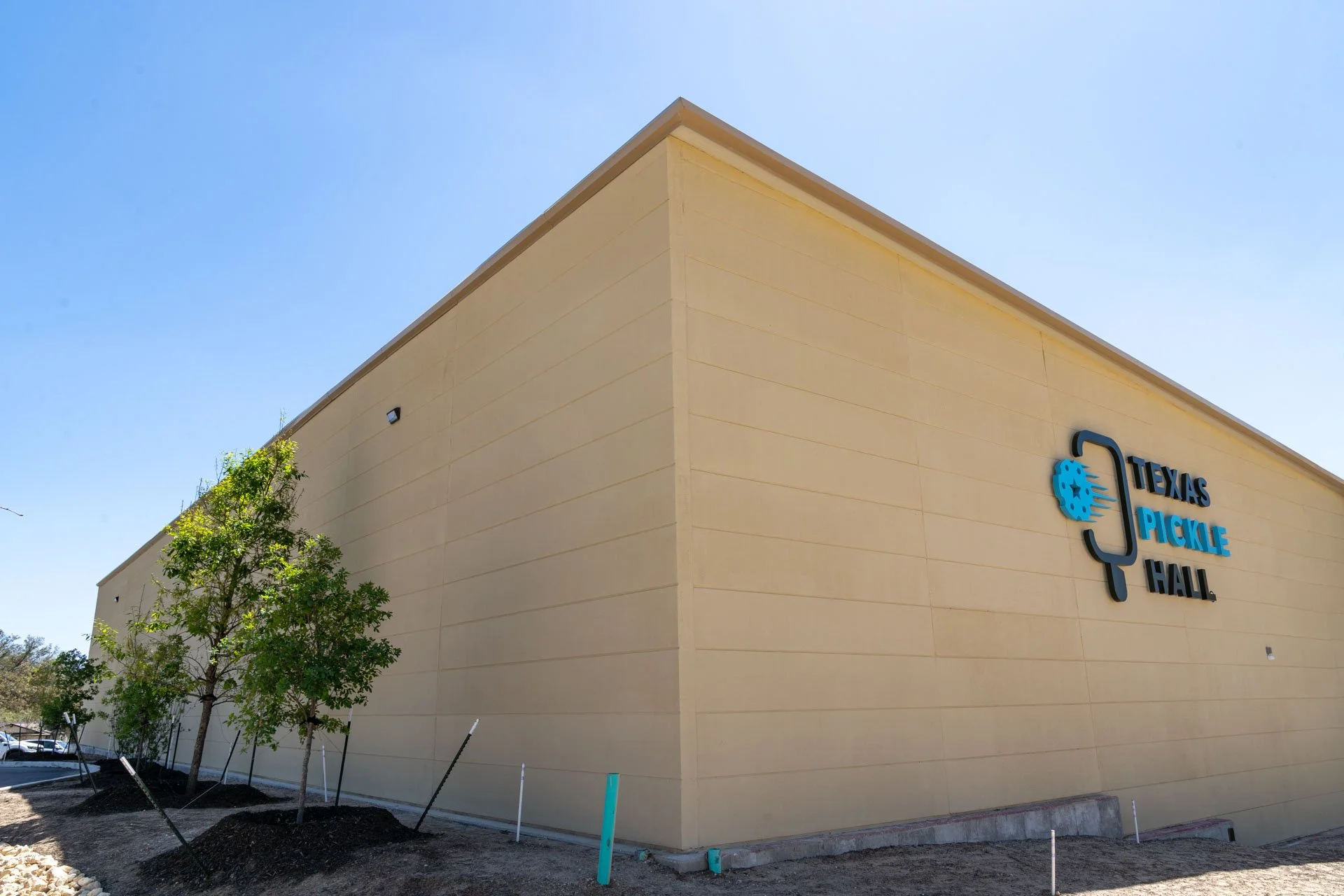
EXTERIOR FINISHES
• Elastomeric textured concrete coatings
• Stucco
• Thin veneer masonry
REQUEST A VALUE ENGINEERING COMPARISON
Get started with a free project evaluation — see how Modular solutions can improve your design outcomes, speed up construction, and maximize project value.
DOWNLOADS
-
Product Data Sheet
-
Safety Data Sheets