

Transform Your Building with AAC Block Masonry
Masonry walls that combine structure, insulation, and fire resistance in one system
STC 47-53
Sound Reduction
continuous insulation
thermal
Mass
4 hr
fire rating
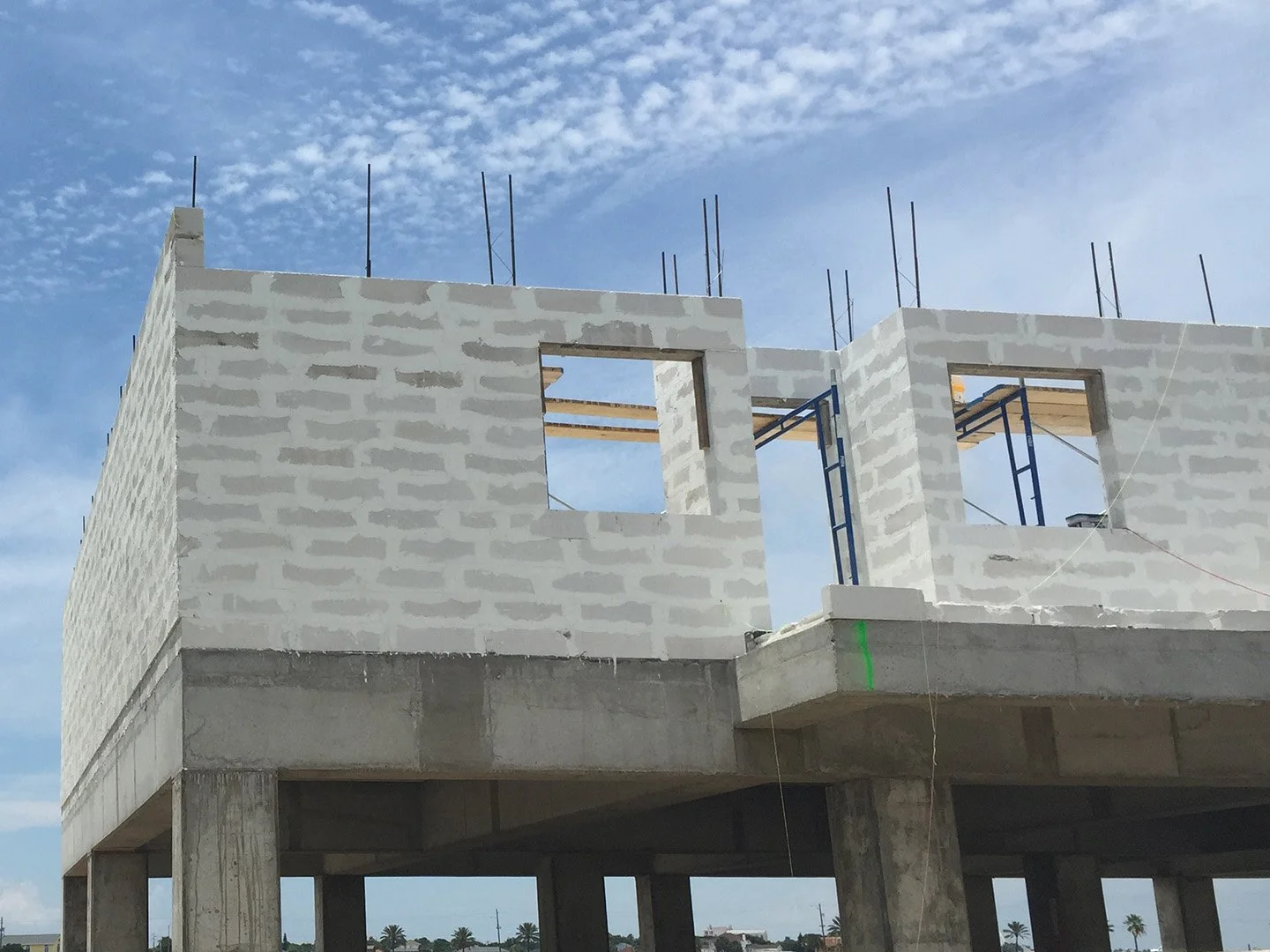
Load-bearing structure
windstorm protection
AAC MASONRY
→
→
How it works
AAC masonry is your building’s structure, envelope, insulation, sound reduction, fire safety, and windstorm protection all in one system and installed by one trade. Just add interior and exterior finishes.

Interior
Finish
aac
blocks

Exterior Finish
WHY BUILDING OWNERS CHOOSE AAC MASONRY
Owners choose AAC block masonry for its resilience, safety, healthy indoor environments, superior performance, lower LONG-term cost, and longer life cycle.

DURABILITY
✓ Eliminates foam plastic insulation
✓ Non-combustible
✓ Moisture & rot resistant
✓ Pest resistant
✓ Windstorm protection

PERFORMANCE
✓ Continuous insulation
✓ Thermal mass
✓ High sound reduction
✓ No mold or mildew
✓ Healthier indoor environment
LOWER TOTAL COSTS
✓ Single integrated system
✓ Installed by one trade
✓ Eliminates steps and layers
✓ Lower energy costs
✓ Reduced maintenance
✓ Lower insurance costs
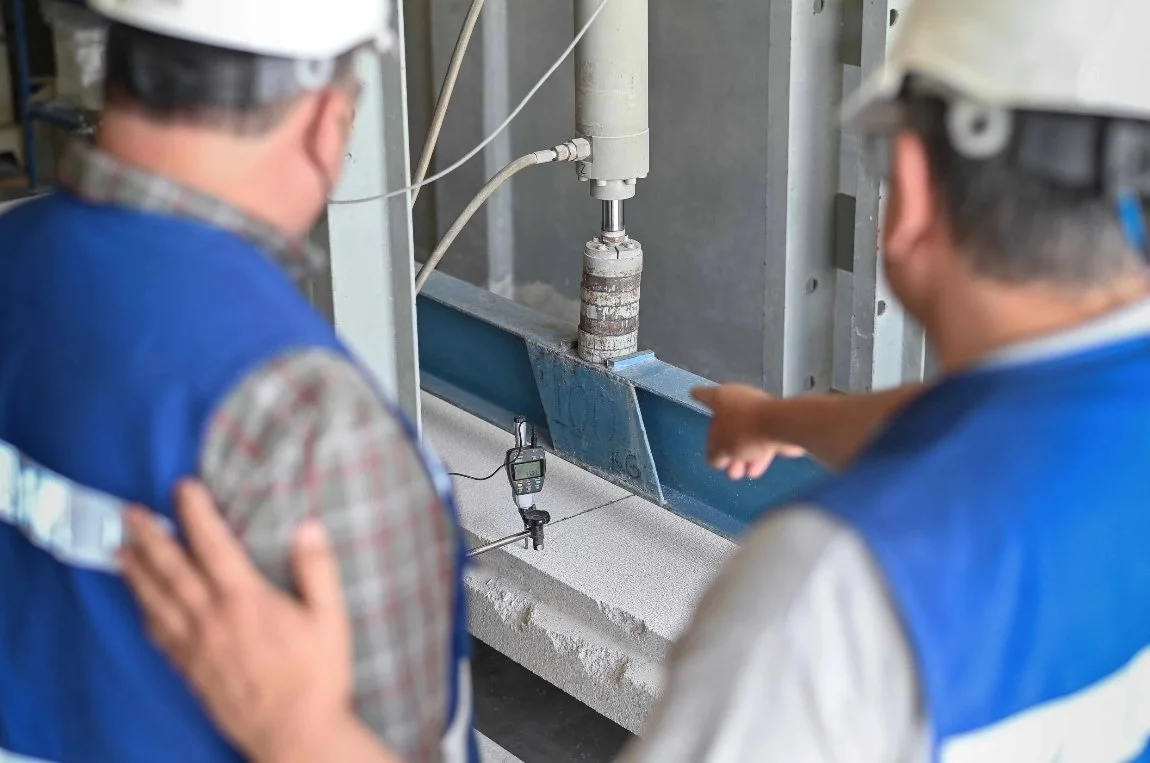
WHERE AAC MASONRY IS USED
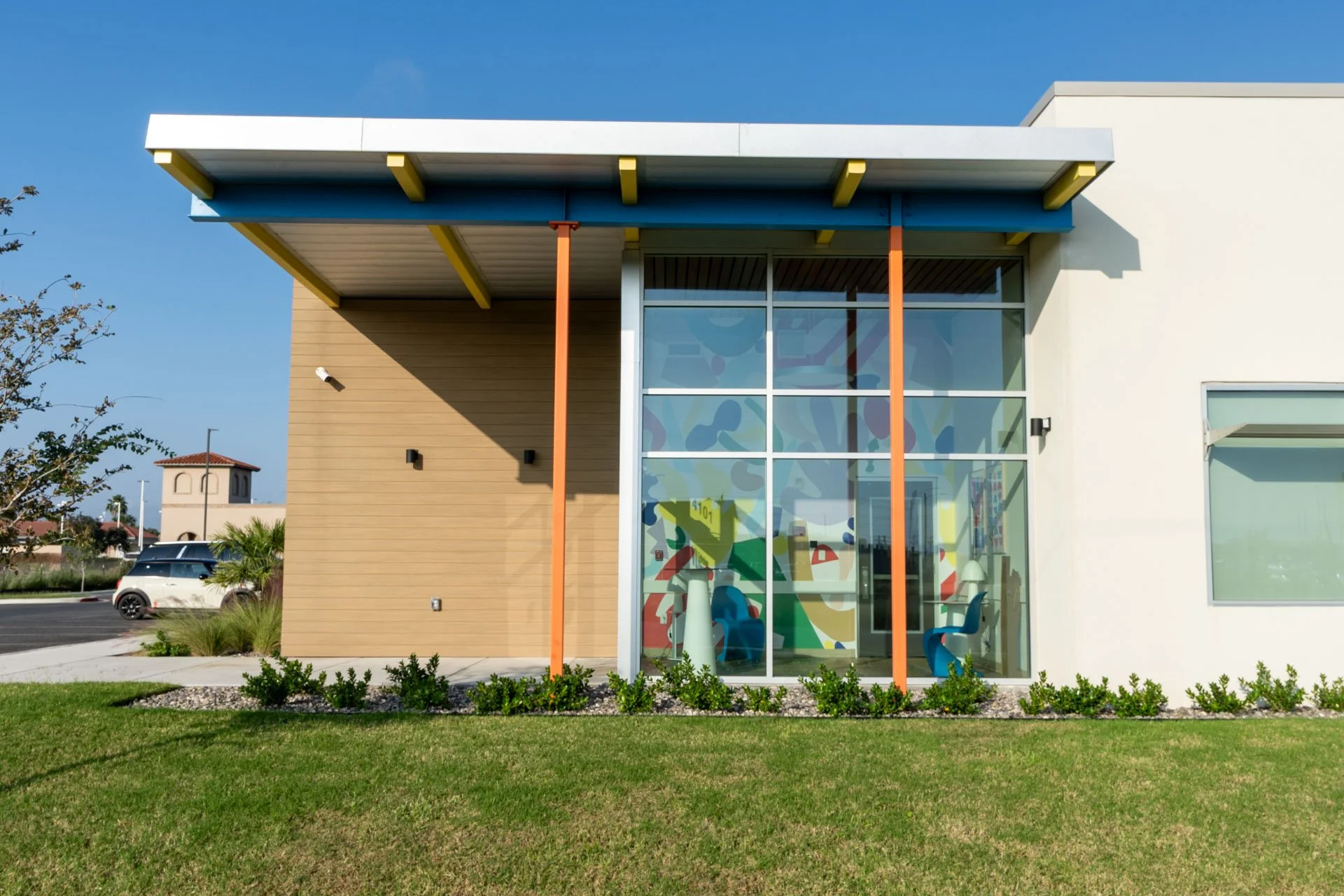
Used as an upgrade to conventional framing or a more cost-effective alternative to concrete masonry (CMU), insulated concrete form (ICF), and concrete tilt panel construction.
✓ Single-family residential
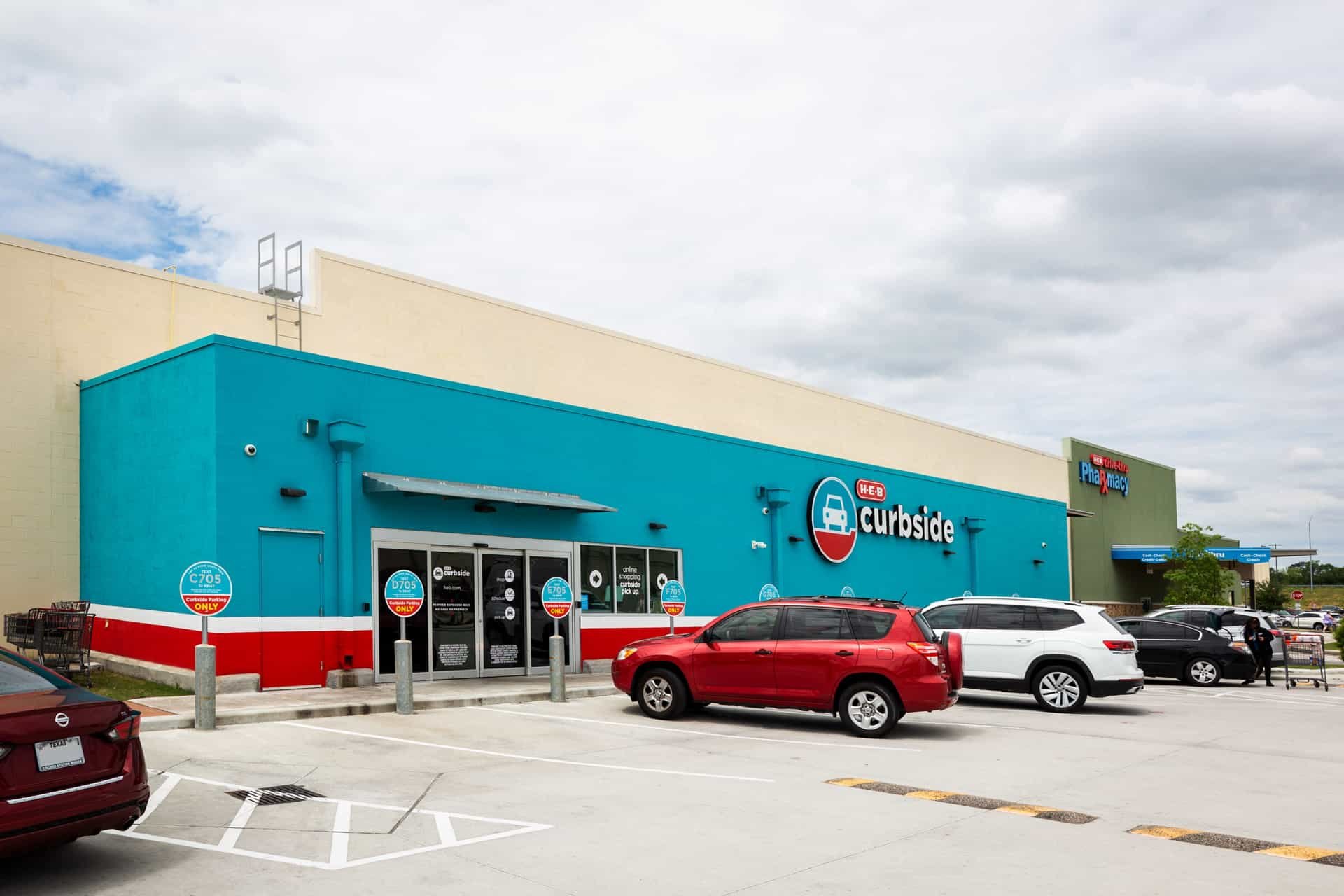
✓ Retail
✓ Medical
✓ Industrial
✓ Education
✓ Elevator shafts & stairwells
✓ Firewalls

COMPARISON TO TRADITIONAL WALL SYSTEMS
AAC block masonry eliminates the complexity of multi-layer wall systems by integrating performance into a single material—delivering faster construction, greater durability, and lower total cost of ownership.
Comparison to Traditional Wall Cladding Systems
Fewer steps, fewer failure points, better durability.
Conventional Light Framing (wood and steel)
WEAK POINTS
Complex assemblies that are more prone to errors
Lower energy efficiency performance
Vulnerable to moisture, fire, windstorms, and pests
Issues with mold and mildew
Reduced sound reduction
AAC ADVANTAGE
Up to 250% higher than energy code
Highest fire and windstorm safety ratings
Creates healthier and more comfortable indoor spaces
Simplified construction with fewer layers and trades
Concrete Masonry Unit (CMU)
Weak Points
More difficult insulation options to meet energy code
Heavier and smaller units increase labor, time, and installation costs
Inflexible building system that limits design options
AAC ADVANTAGE
Integrated insulation reduces thermal bridging and improves energy performance
Single-material wall system simplifies design and construction
Larger, lightweight blocks increase installation speed and consistency
Reduced assembly weight
Insulated Concrete Form (ICF)
Weak Points
Multi-step installation (stacking, bracing, reinforcing, pouring, curing)
Requires skilled crews to avoid alignment and blowout issues
Material and labor costs can be high
Significant assembly weights
AAC ADVANTAGE
Faster, more straightforward installation with conventional masonry crews
No large concrete pour reduces risk, complexity, and schedule delays
Lower overall system cost with fewer trades and steps
Insulated Concrete Tilt Panel
Weak Points
Requires continuous insulation on the interior or exterior
Sandwich panel tilt wall very expensive
More difficult to cast panels on smaller projects
More limited architectural freedom
AAC ADVANTAGE
No additional steps for insulation
Meets energy and fire code without interior finishes
Lighter weight assembly
More flexible architectural design
SYSTEM
Conventional Light Framing (wood and steel)
Concrete Masonry Unit (CMU)
Insulated Concrete Form (ICF)
Insulated Concrete Tilt Panel
WEAK POINTS
Complex assemblies that are more prone to errors
Lower energy efficiency performance
Vulnerable to moisture, fire, windstorms, and pests
Issues with mold and mildew
Reduced sound reduction
More difficult insulation options to meet energy code
Heavier and smaller units increase labor, time, and installation costs
Inflexible building system that limits design options
AAC Advantage
Multi-step installation (stacking, bracing, reinforcing, pouring, curing)
Requires skilled crews to avoid alignment and blowout issues
Material and labor costs can be high
Significant assembly weights
Up to 250% higher than energy code
Highest fire and windstorm safety ratings
Creates healthier and more comfortable indoor spaces
Simplified construction with fewer layers and trades
Requires continuous insulation on the interior or exterior
Sandwich panel tilt wall very expensive
More difficult to cast panels on smaller projects
More limited architectural freedom
Integrated insulation reduces thermal bridging and improves energy performance
Single-material wall system simplifies design and construction
Larger, lightweight blocks increase installation speed and consistency
Reduced assembly weight
Faster, more straightforward installation with conventional masonry crews
No large concrete pour reduces risk, complexity, and schedule delays
Lower overall system cost with fewer trades and steps
No additional steps for insulation
Meets energy and fire code without interior finishes
Lighter weight assembly
More flexible architectural design
TYPICAL ASSEMBLIES & INSTALLATION
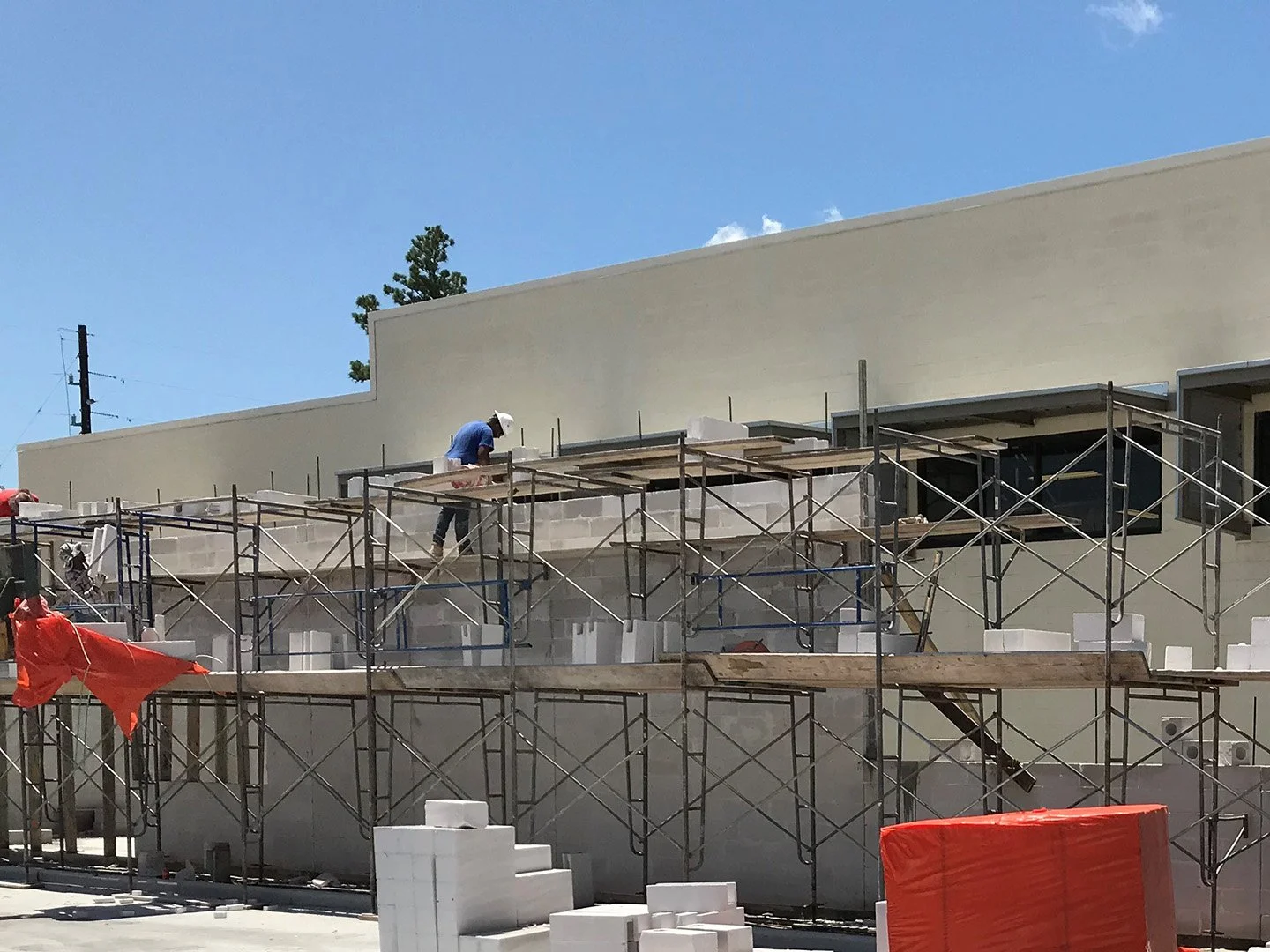
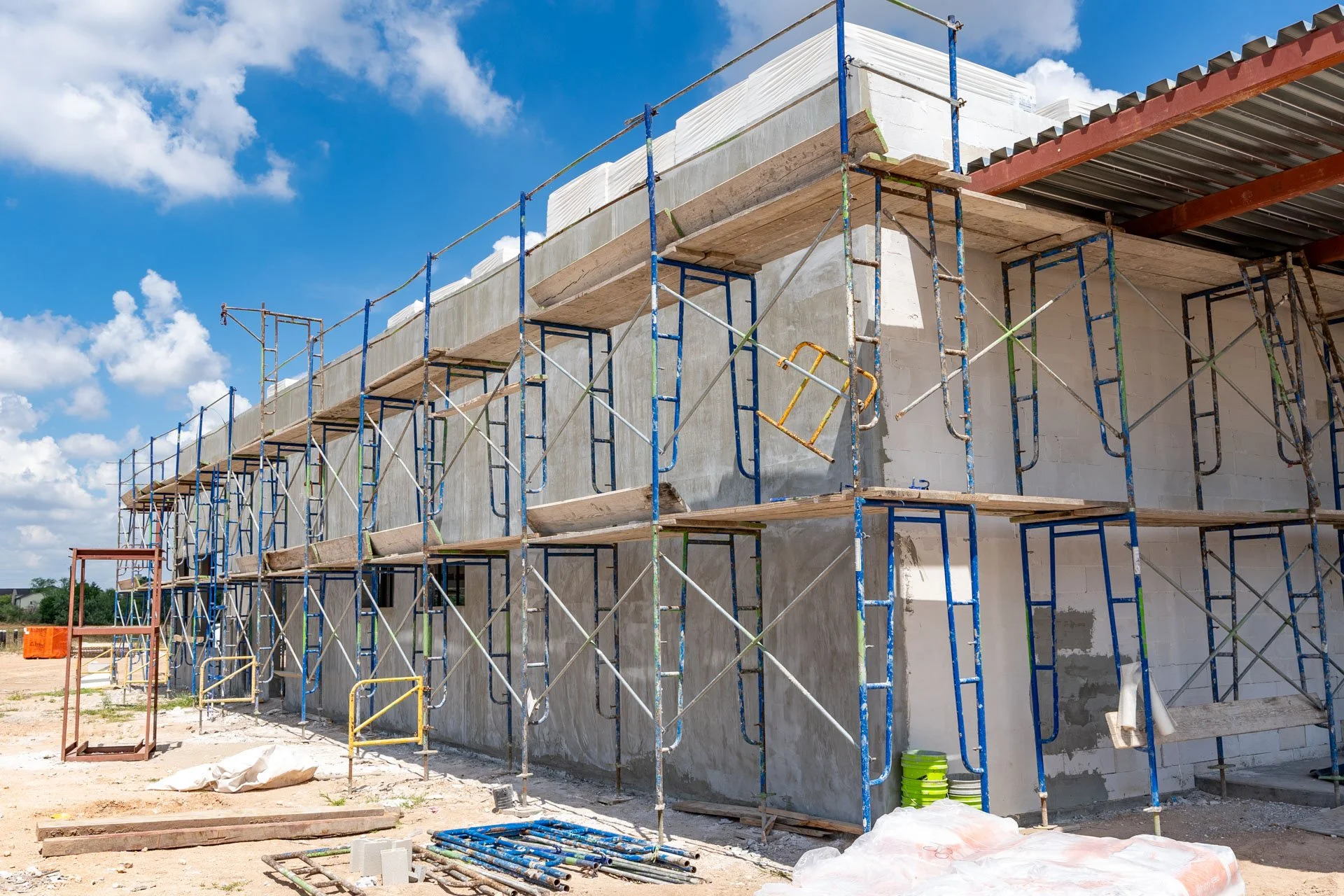
AAC block walls are built by stacking these lightweight blocks and adhering with thin-bed mortar, then reinforcing where necessary with rebar and concrete, and finishing as required.
Installed by block masons
Single integrated system for structure, insulation, envelope
AAC blocks are easy to cut and shape as required
Construction drawings show precise locations for vertical and horizontal reinforcement
UL fire-rated assemblies available
-
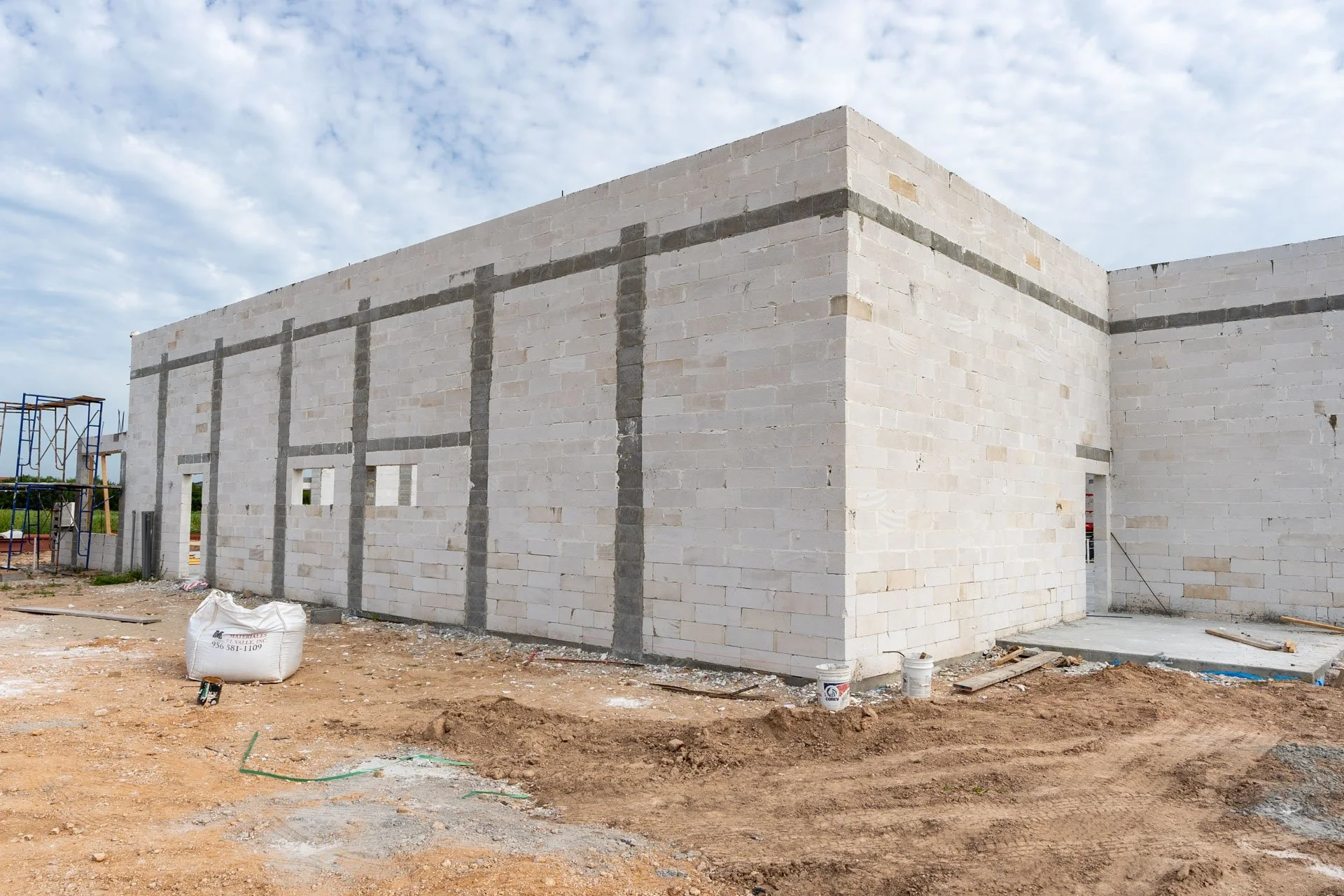
TYPICAL ASSEMBLY
1. Drywall
2. Hat channels
3. AAC Block
4. Air/moisture barrier
5. Exterior Finish -
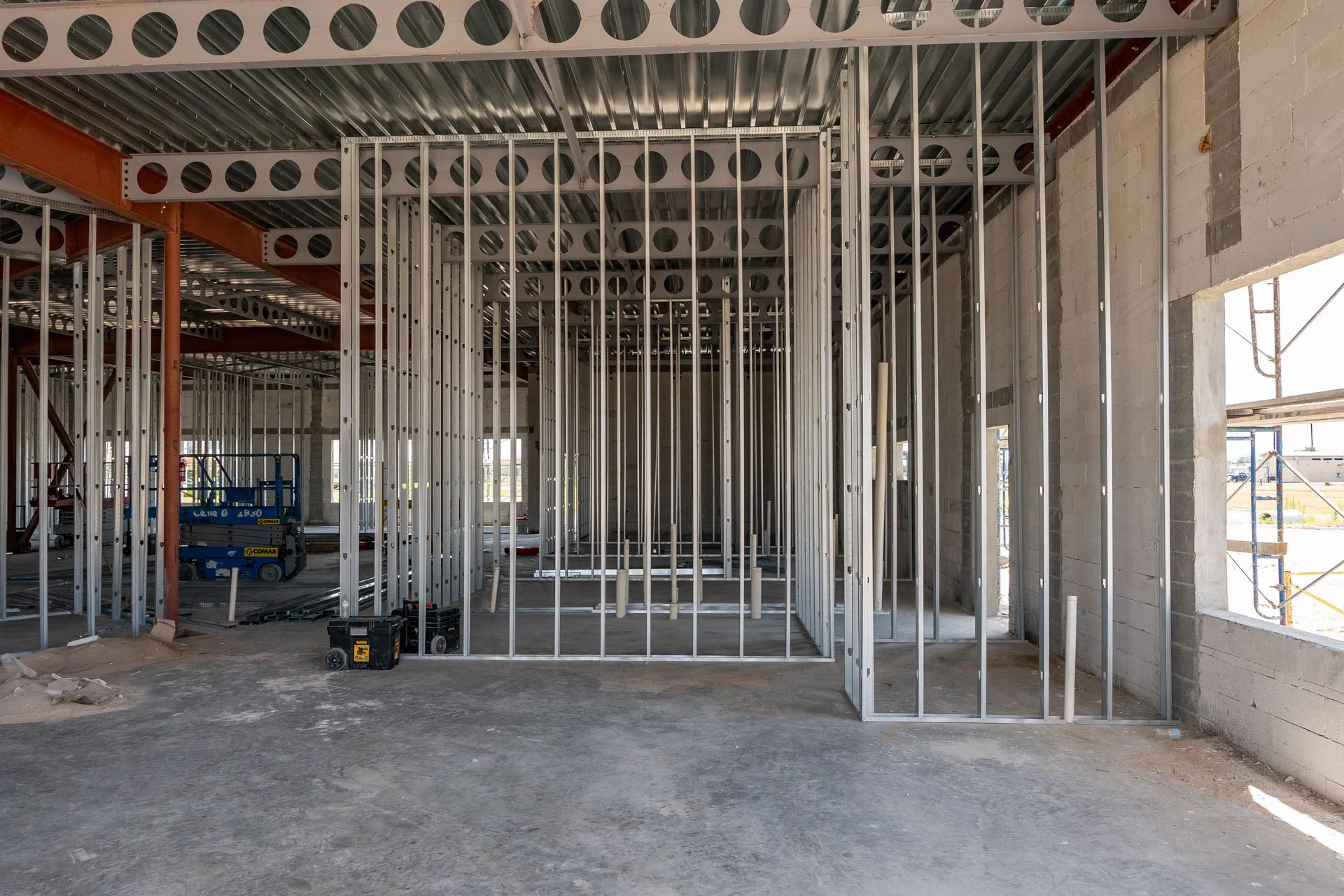
INTERIOR FINISHES
1. Drywall on hat channels or furring strips
2. Wood or metal framing & drywall
3. Direct-applied plaster -
EXTERIOR FINISHES
1. Stucco
2. Thin brick/stone
3. Tile
4. Cavity masonry
5. Rainscreen system
6. Wood or composite panels
REQUEST A VALUE ENGINEERING COMPARISON
Get started with a free project evaluation — see how Modular solutions can improve your design outcomes, speed up construction, and maximize project value.
DOWNLOADS
-
Product Data Sheet
-
Safety Data Sheets