
Autoclaved Aerated Concrete (AAC) VERTICAL WALL PANEL
Load-bearing precast panels that combine structure, insulation and fire resistance in one lightweight wall system
STC 46-53 Sound Reduction
Ready to receive interior & exterior finishes
Continuous Insulation and thermal mass
Load-bearing Vertical Panels
4-Hour Fire Rating
Simple monolithic wall assembly
VERTICAL WALL PANELS
→
→
How it works
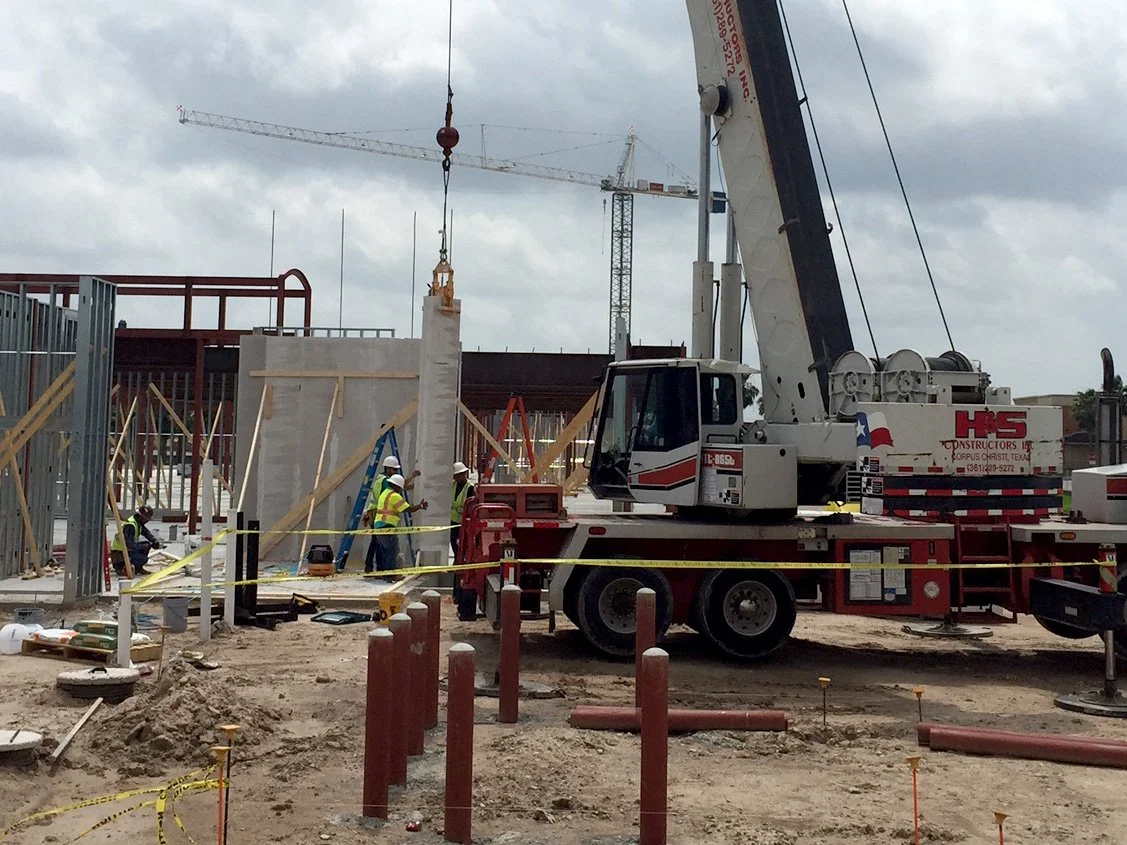
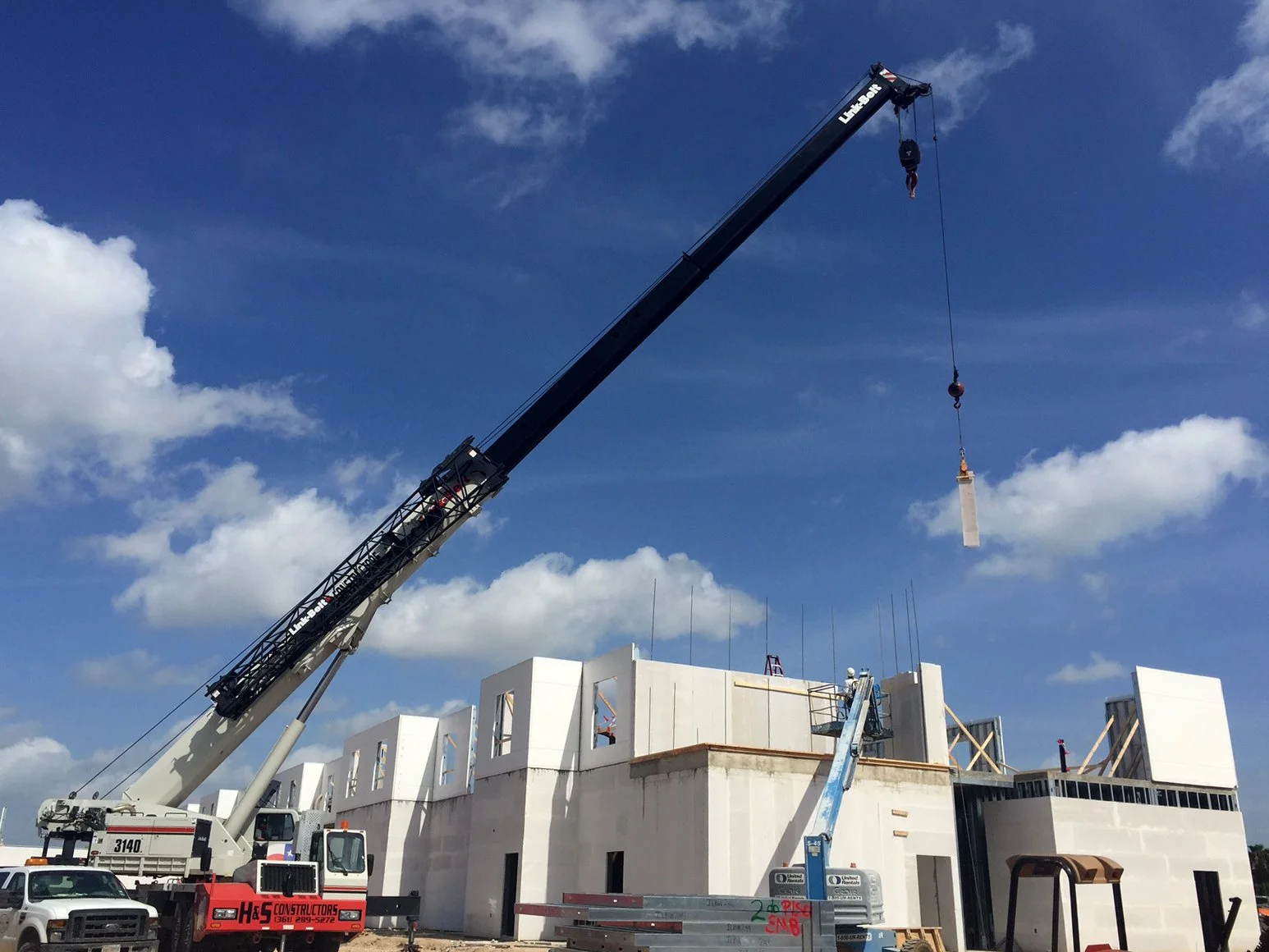
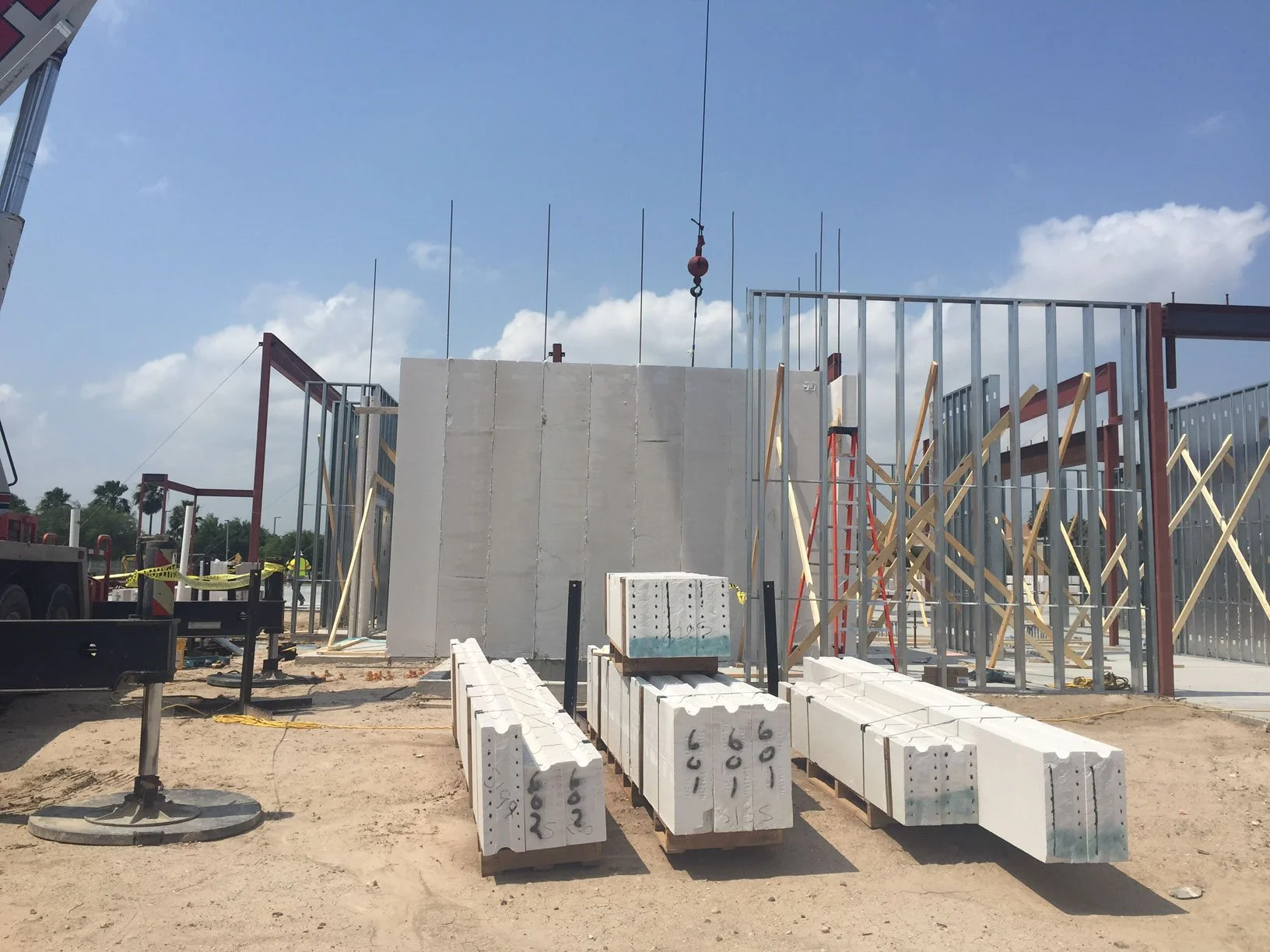
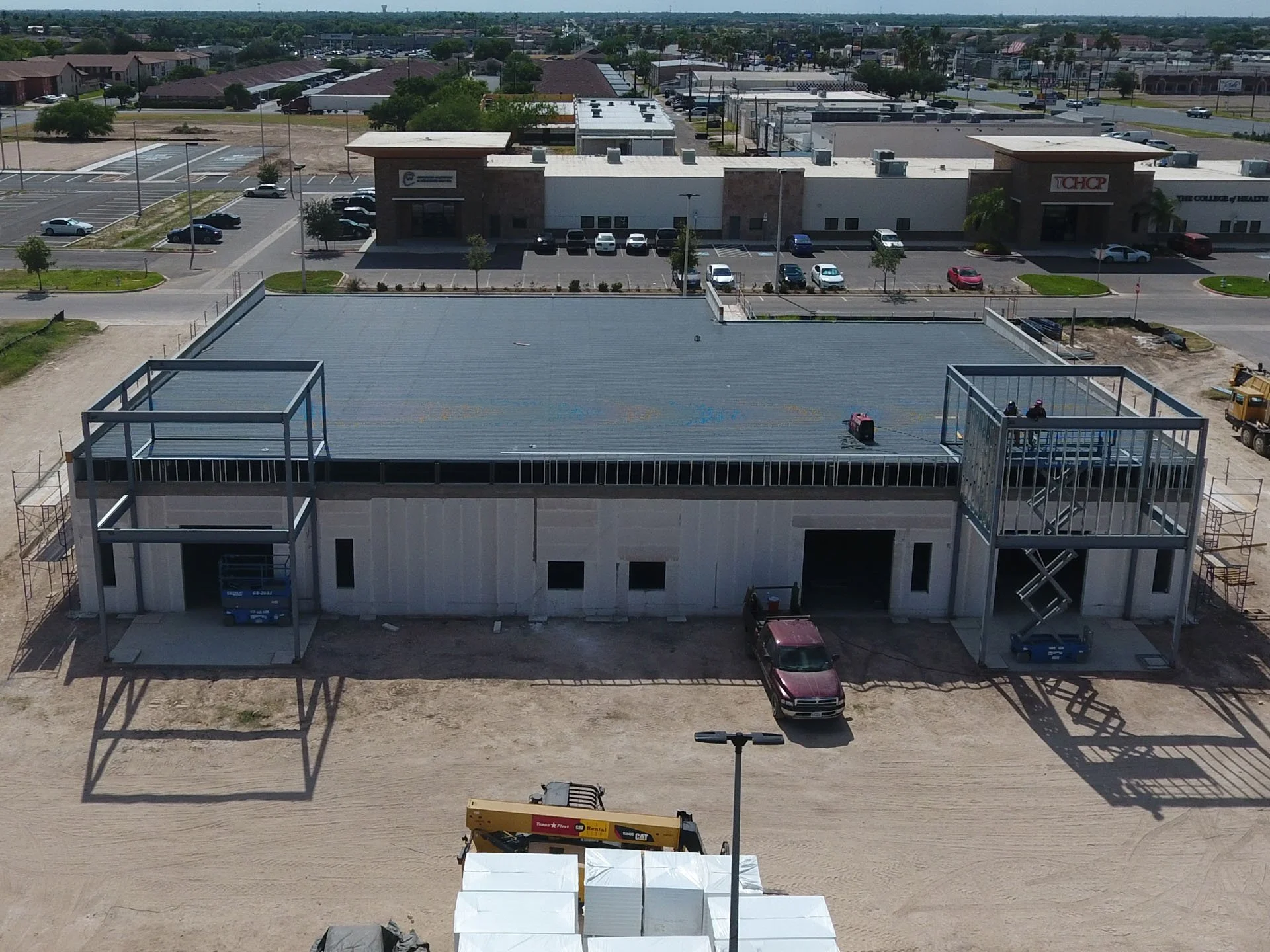
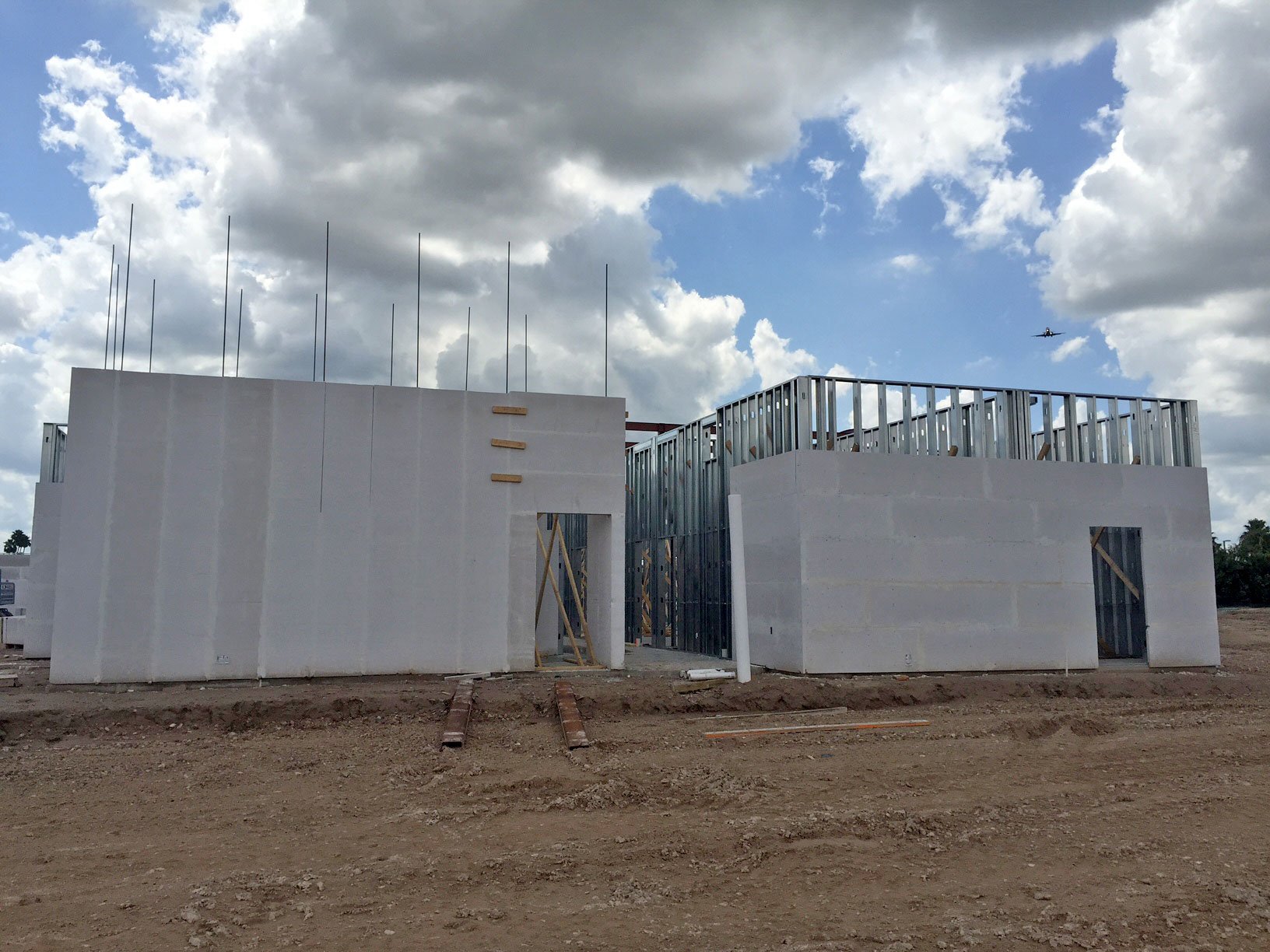
Vertical AAC wall panels are set in place using light lifting equipment and then locked together with a cast-in-place concrete bond beam and vertical posts.
Interior Finish
VERTICAL WALL
Panels

Exterior Finish
WHY BUILDING OWNERS CHOOSE AAC VERTICAL WALL PANELS
Owners choose vertical wall panels for projects where a resilient and insulated structural wall system is needed and where owner project requirements and construction goals are more demanding.
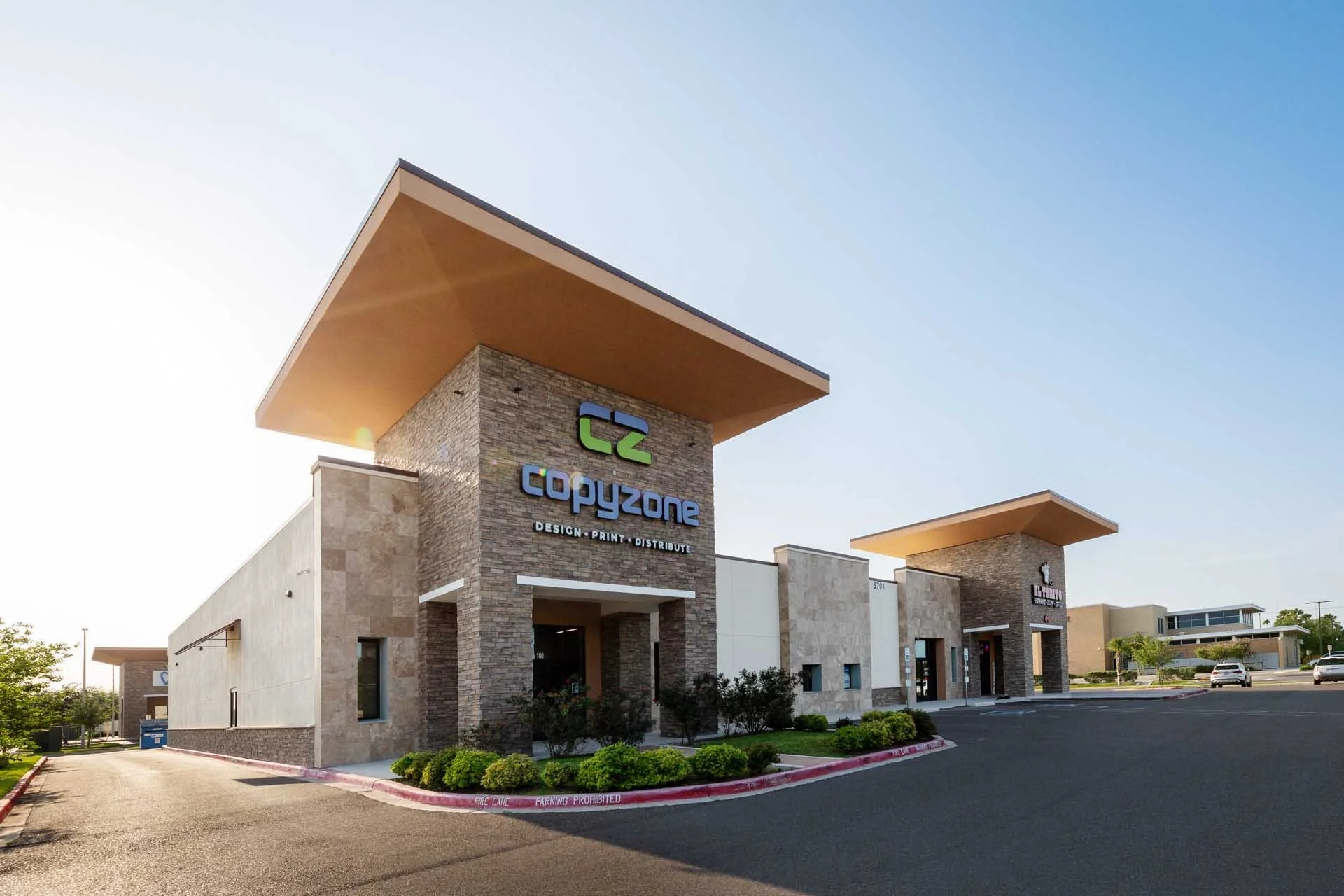
DURABILITY + RESILIENCE
✓ Moisture and rot resistant
✓ Fire protection
✓ Resilient building envelope

PERFORMANCE
✓ Load-bearing system
✓ High sound reduction
✓ Thermal performance
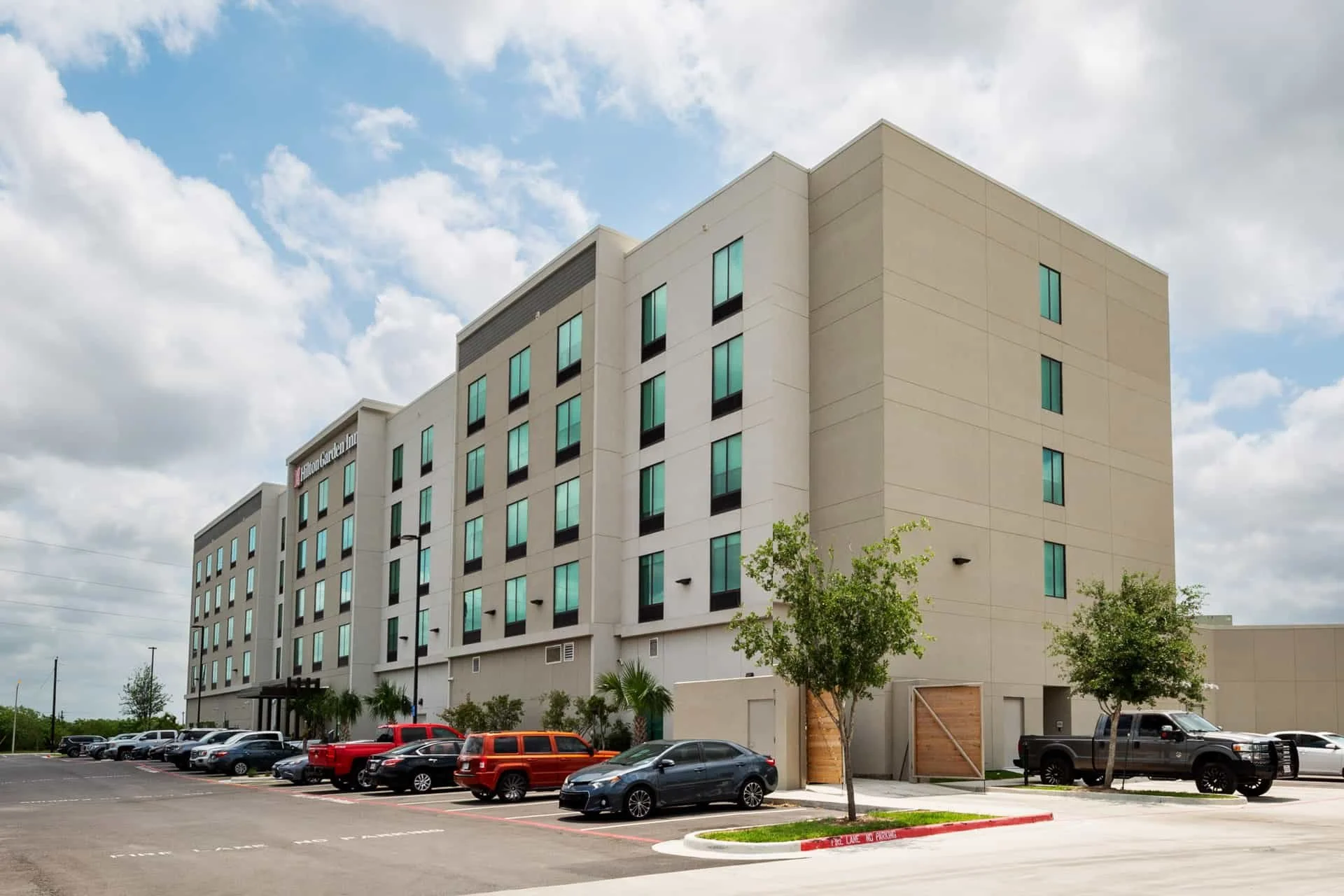
LOWER TOTAL COSTS
✓ Simplified and integrated wall assembly
✓ Flexbile installation
✓ Reduced trade coordination and sequencing risk
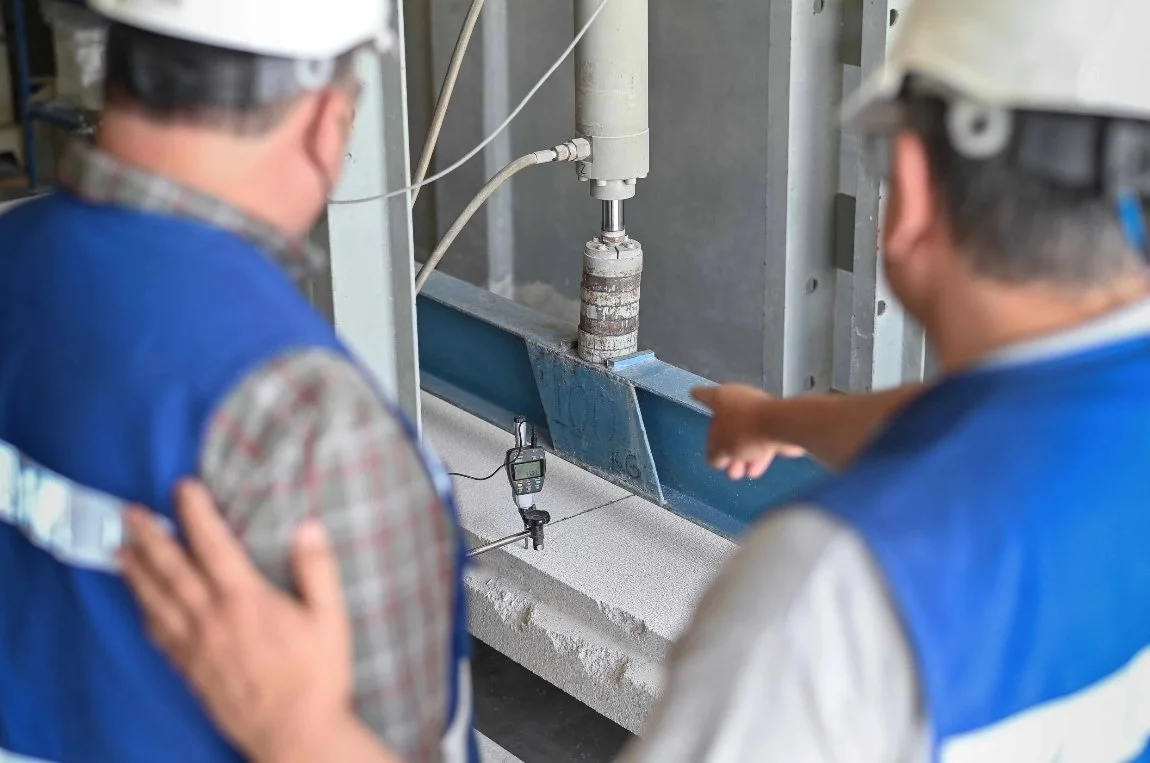
WHERE VERTICAL WALL PANELS ARE USED
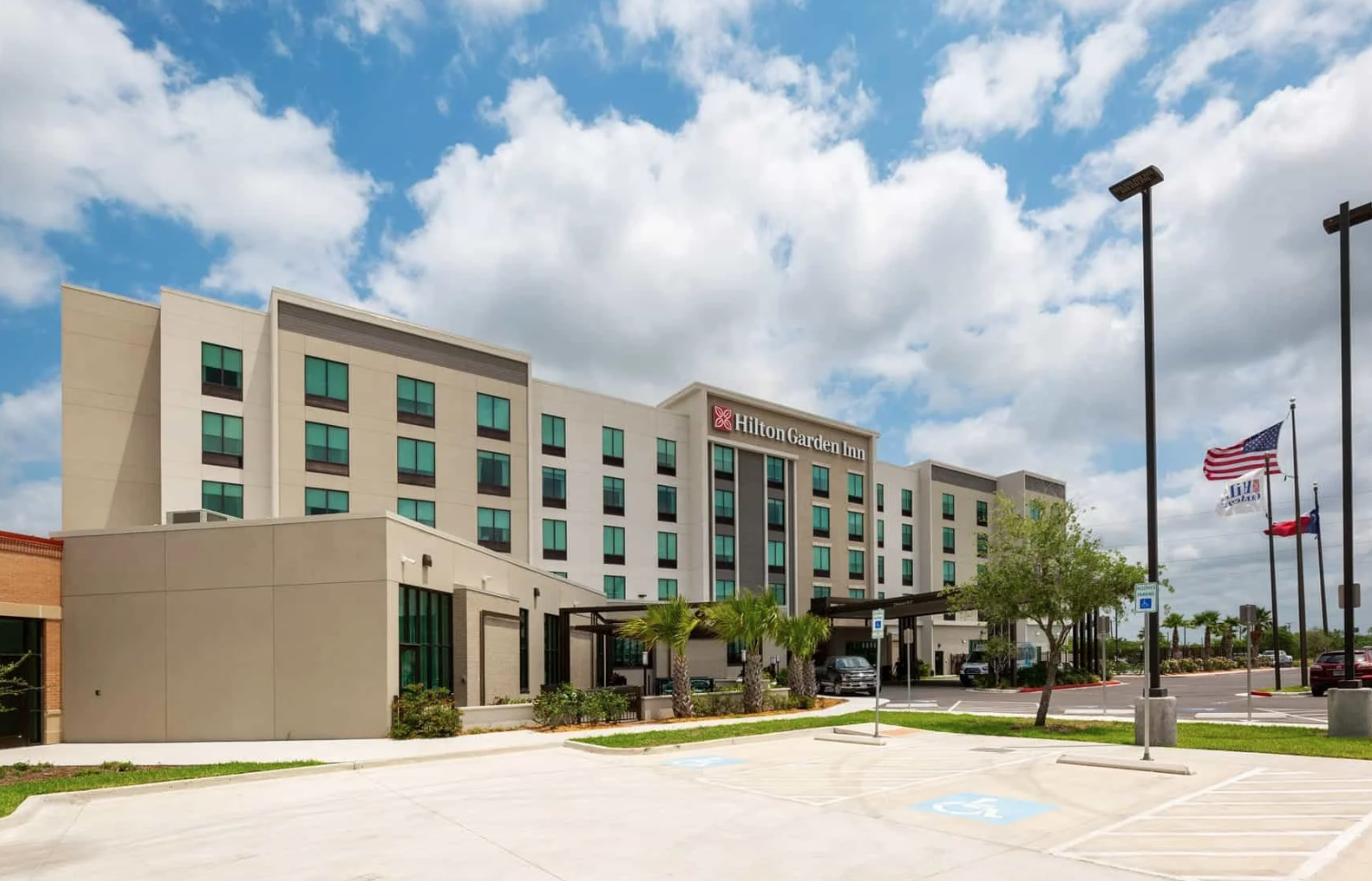
Vertical wall panels are used to construct simple buildings and secondary structures where challenging project requirements or site limitations make conventional building systems more difficult and expensive.
✓ Hospitality
✓ Healthcare
✓ Retail
✓ Industrial
✓ Public Utilities
✓ Stairwells & Elevator Shaft
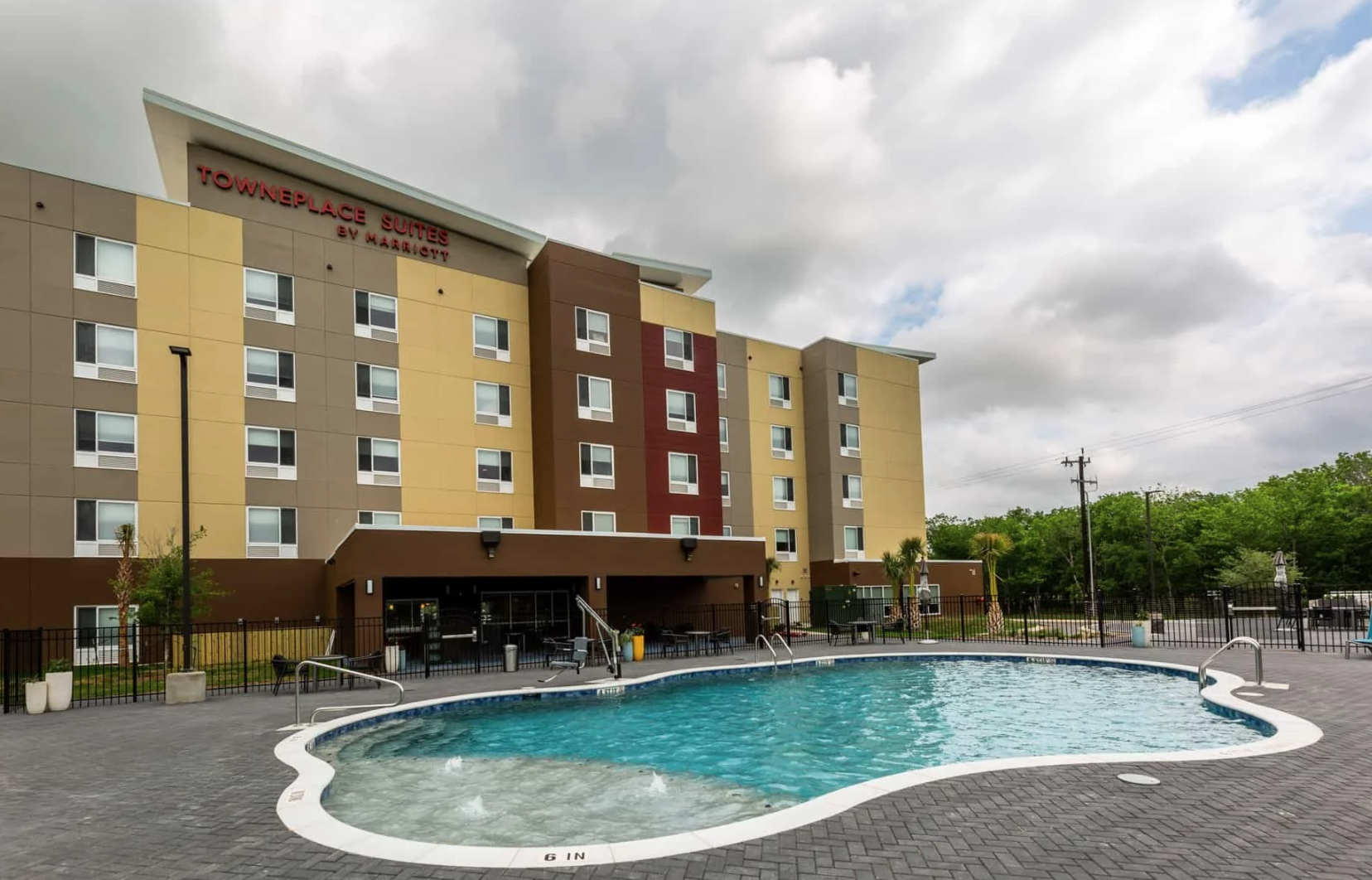

vertical wall panel VIDEO OVERVIEW
HEAR HOW VERTICAL WALL PANELS COMBINE STRUCTURE, INSULATION AND RESILIENCE IN A LOAD-BEARING AAC WALL SYSTEM.
COMPARISON TO TRADITIONAL wall SYSTEMS
Vertical load-bearing AAC panels combine structure, insulation, and fire resistance in a single system—reducing construction time, simplifying coordination, and delivering high-performance buildings with lower total cost.
COMPARISON TO TRADITIONAL WALL SYSTEMS
Vertical load-bearing AAC panels combine structure, insulation, and fire resistance in a single system—reducing construction time, simplifying coordination, and delivering high-performance buildings with lower total cost.
Concrete Masonry (CMU)
WEAK POINTS
Labor intensive, block-by-block installation
Multi-layer wall assembly
Requires additional insulation
Longer construction schedules
AAC ADVANTAGE
Faster panelized installation
Continuous insulation included
Fewer trades and coordination risk
Factory precision improves quality and reduces waste
PRECAST CONCRETE
Weak Points
Heavy panels require large cranes and specialized logistics
Transportation and rigging constraints limit flexibility
Joints and connections require careful detailing
Poor thermal performance
AAC ADVANTAGE
Lightweight panels reduce crane size and handling requirements
Easier to transport, stage, and install on constrained sites
Simplified connections and detailing
Built-in insulation improves thermal performance
Panels can be field-modified for openings and adjustments
CAST-IN-PLACE Concrete
Weak Points
Multi-step process (formwork, reinforcing, pouring, curing)
Longer schedules due to forming and curing cycles
High labor and formwork costs
Requires additional insulation and finish systems
Weather-dependent installation can delay schedules
AAC ADVANTAGE
No formwork, pouring, or curing delays
Faster installation with reduced labor requirements
Integrated structure and insulation in one system
Less weather sensitivity during installation
Simplified wall assembly reduces overall construction time
SYSTEM
Concrete Masonry (CMU)
Precast Concrete
Cast-in-place Concrete
WEAK POINTS
Labor intensive, block-by-block installation
Multi-layer wall assembly
Requires additional insulation
Longer construction schedules
Heavy panels require large cranes and specialized logistics
Transportation and rigging constraints limit flexibility
Joints and connections require careful detailing
Poor thermal performance without added insulation layers
Limited field modification once panels are produced
AAC Advantage
Multi-step process (formwork, reinforcing, pouring, curing)
Longer schedules due to forming and curing cycles
High labor and formwork costs
Requires additional insulation and finish systems
Weather-dependent installation can delay schedules
Faster panelized installation
Continuous insulation included
Fewer trades and coordination risk
Factory precision improves quality and reduces waste
Lightweight panels reduce crane size and handling requirements
Easier to transport, stage, and install on constrained sites
Built-in insulation improves thermal performance
Simplified connections and detailing
Panels can be field-modified for openings and adjustments
No formwork, pouring, or curing delays
Faster installation with reduced labor requirements
Integrated structure and insulation in one system
Less weather sensitivity during installation
Simplified wall assembly reduces overall construction time
TYPICAL ASSEMBLIES & INSTALLATION
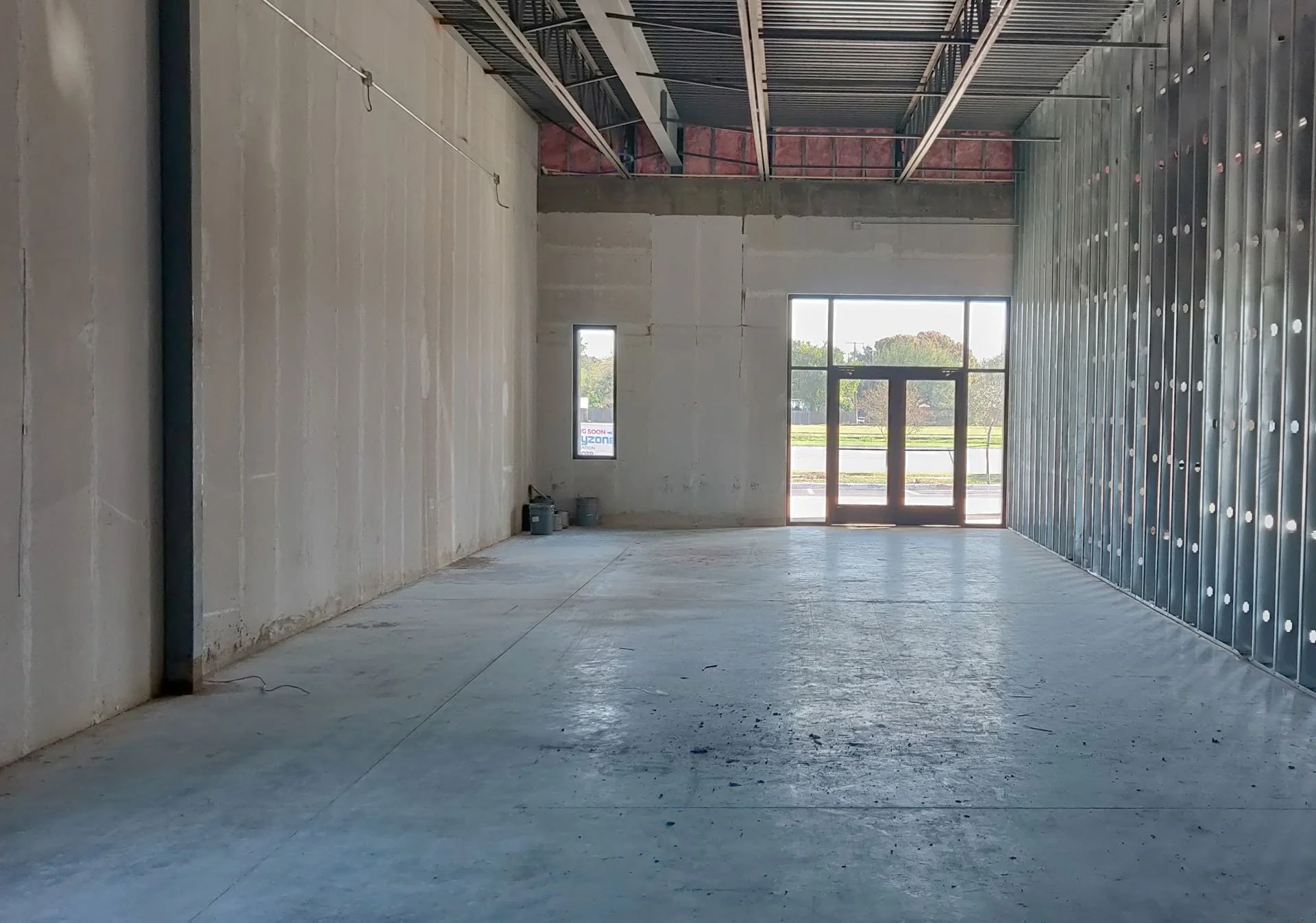
Vertical wall panels are a complete structural and insulated wall system that require only the application of exterior and interior finishes once installed.
Panels typically weigh 300-1,300 pounds
Can use smaller cranes
Fast installation with 4-5 person crew
Can support floor and roof loads
UL fire-rated assemblies available
-
typical assembly
Interior finish
Vertical wall panel
Exterior finish
-
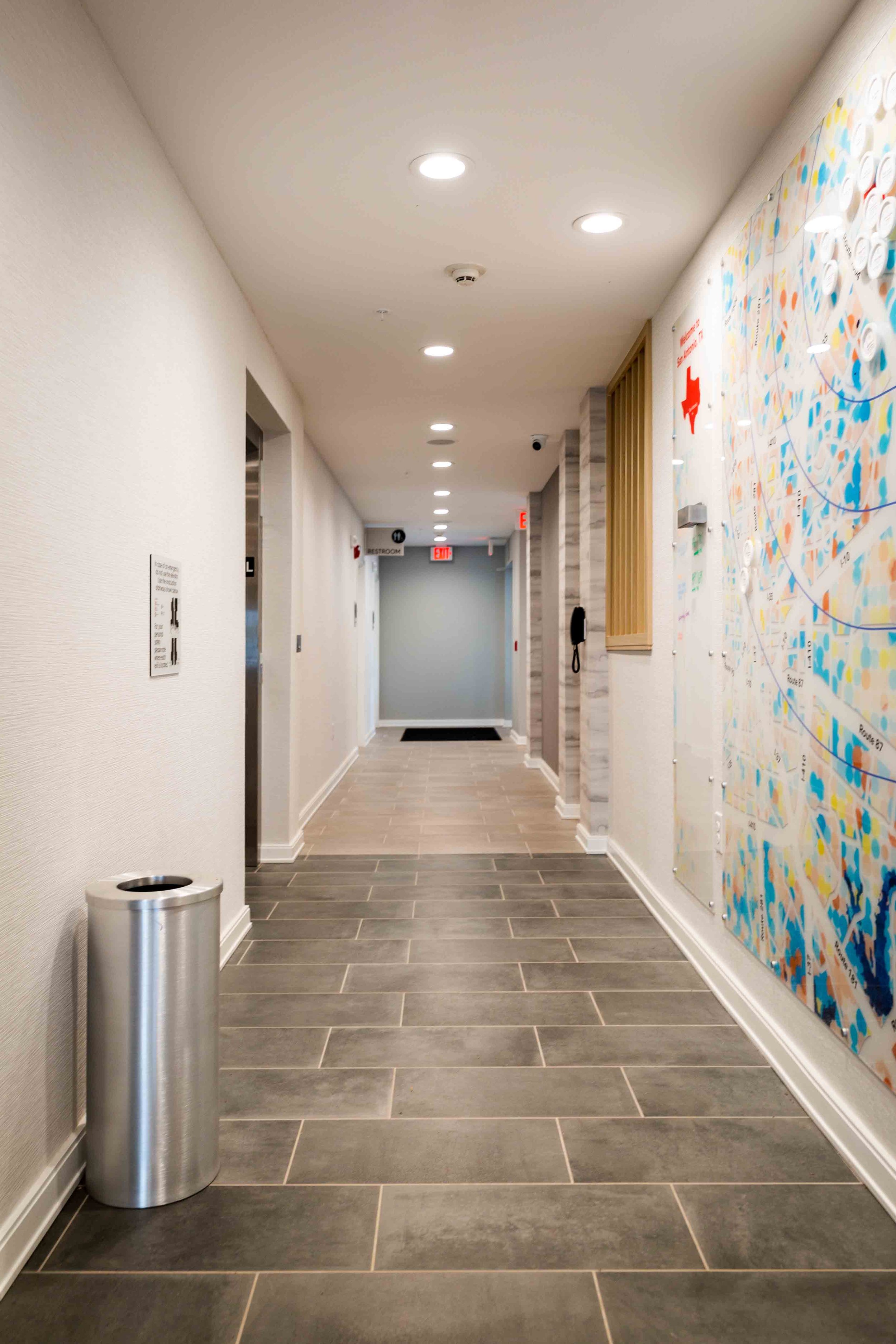
INTERIOR FINISHES
Block filler and paint
Drywall on hat channels
Direct-applied plaster
Fiberglass reinforced panels
-
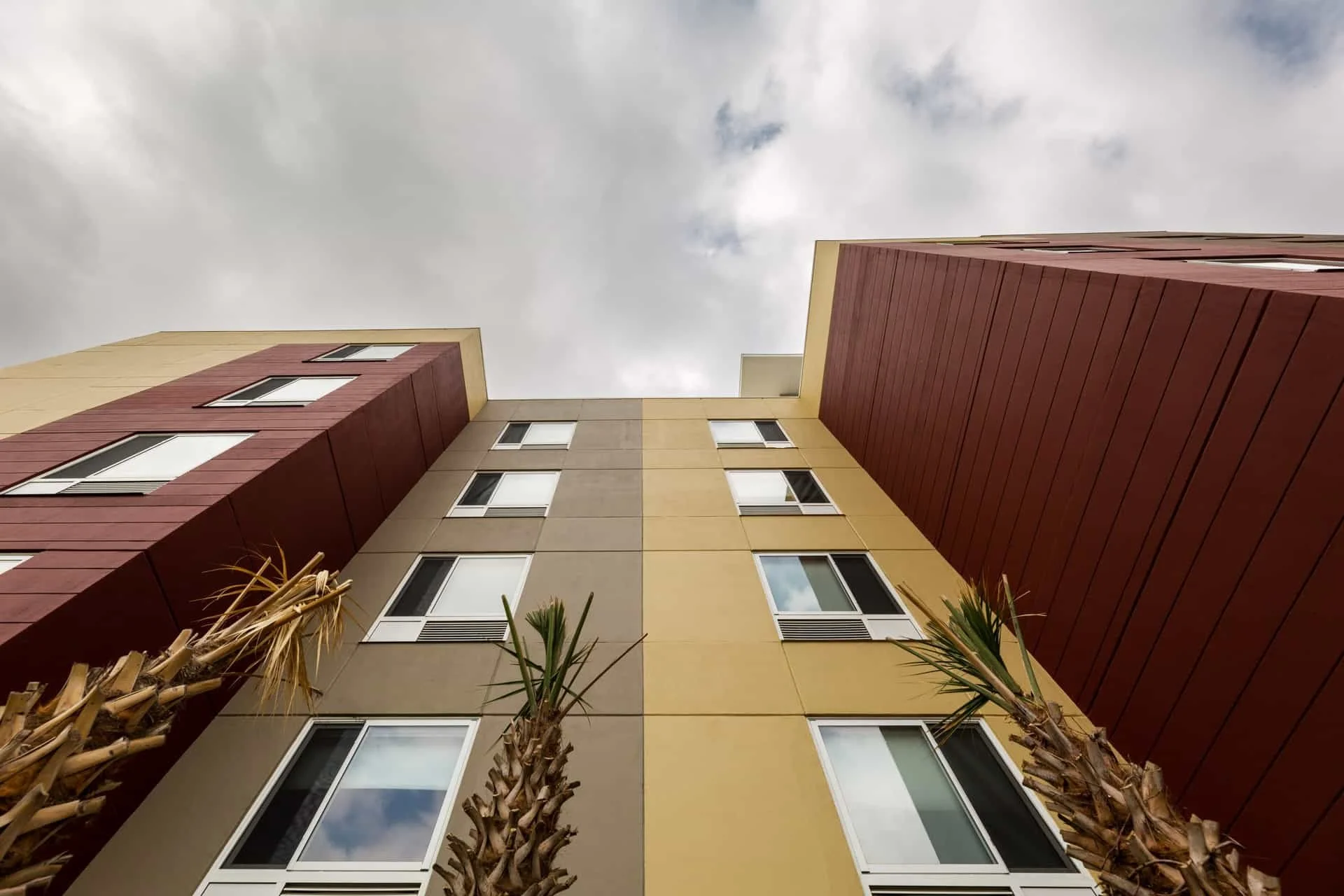
EXTERIOR FINISHES
Stucco
Smooth or textured concrete surfacer
Thin veneer masonry
Rainscreens and panels
REQUEST A VALUE ENGINEERING COMPARISON
Get started with a free project evaluation — see how Modular solutions can improve your design outcomes, speed up construction, and maximize project value.
DOWNLOADS
-
Product Data Sheet
-
Safety Data Sheet