

Autoclaved Aerated Concrete (AAC)
FENCE & SOUND WALL
Simple, durable, and attractive hard wall privacy fence and sound barrier
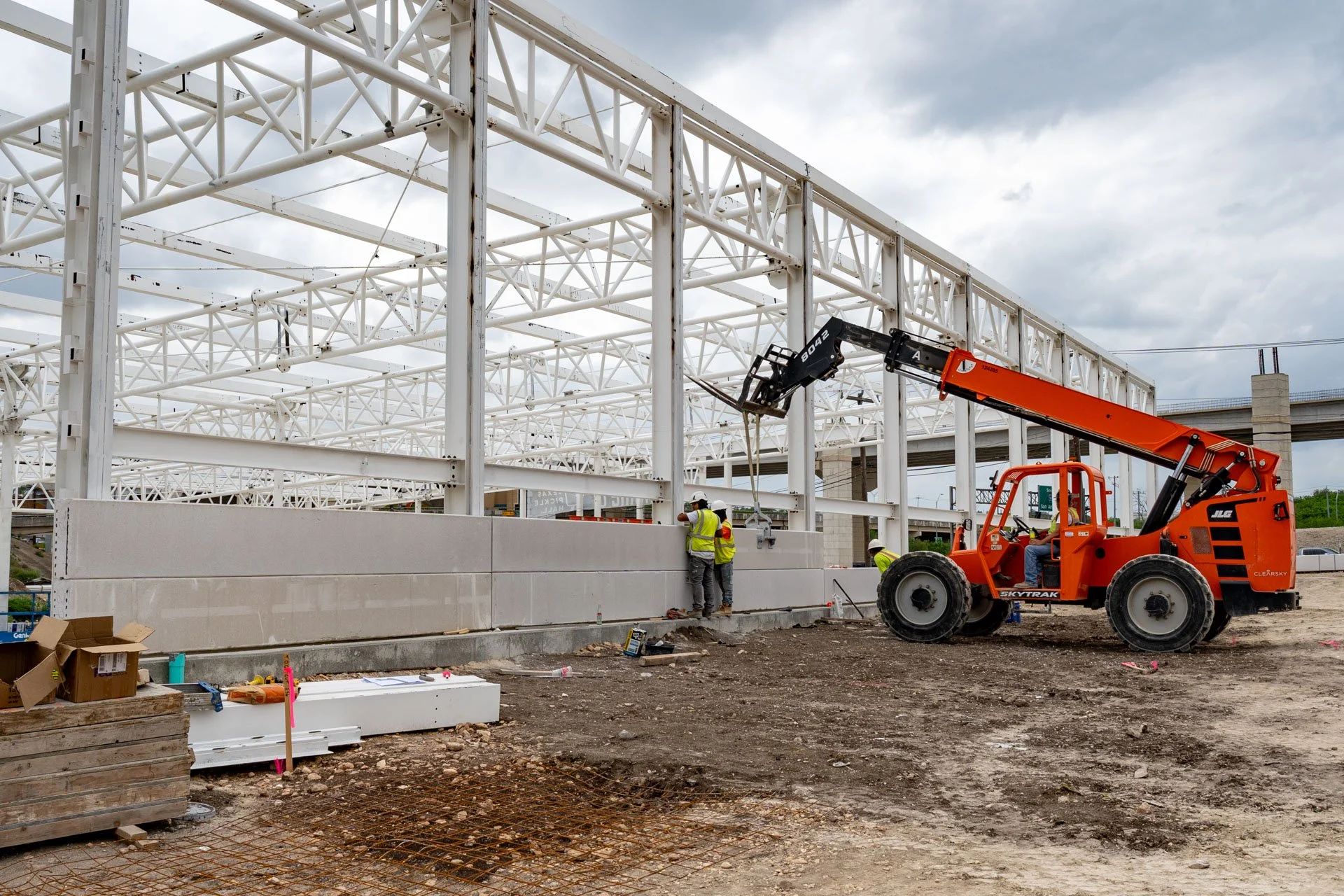
Standard 14-foot span for 4” AAC
Typical heights of 6-12 feet
Georgia DOT approved sound barrier
Faster and cheaper than CMU
70% lighter than precast concrete
Long-term durability and resilience
FENCE & SOUND WALL
→
→
How it works
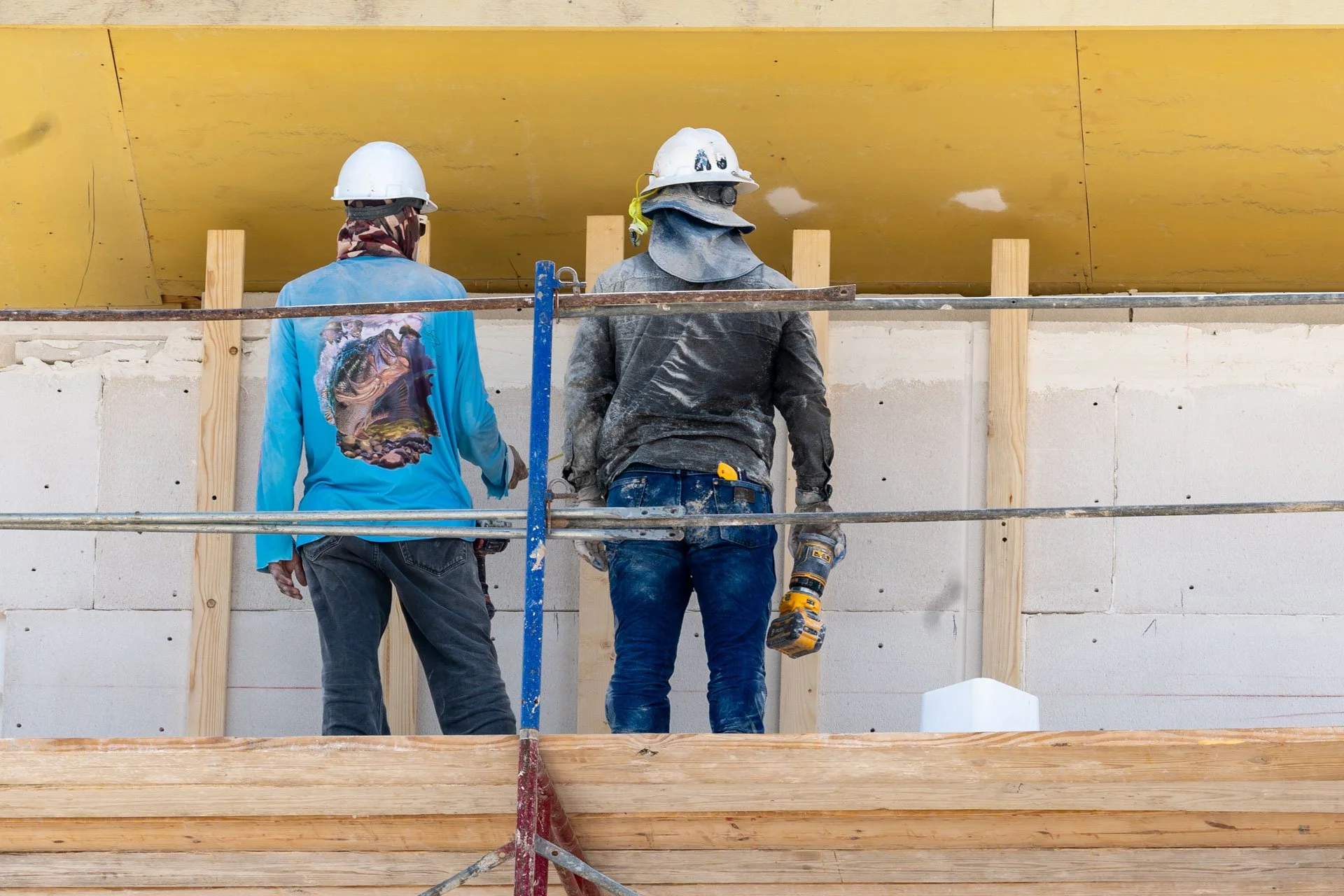
Piers are drilled and poured, columns are installed, AAC panels are lifted into place, and optional finishes are applied to columns and panels.
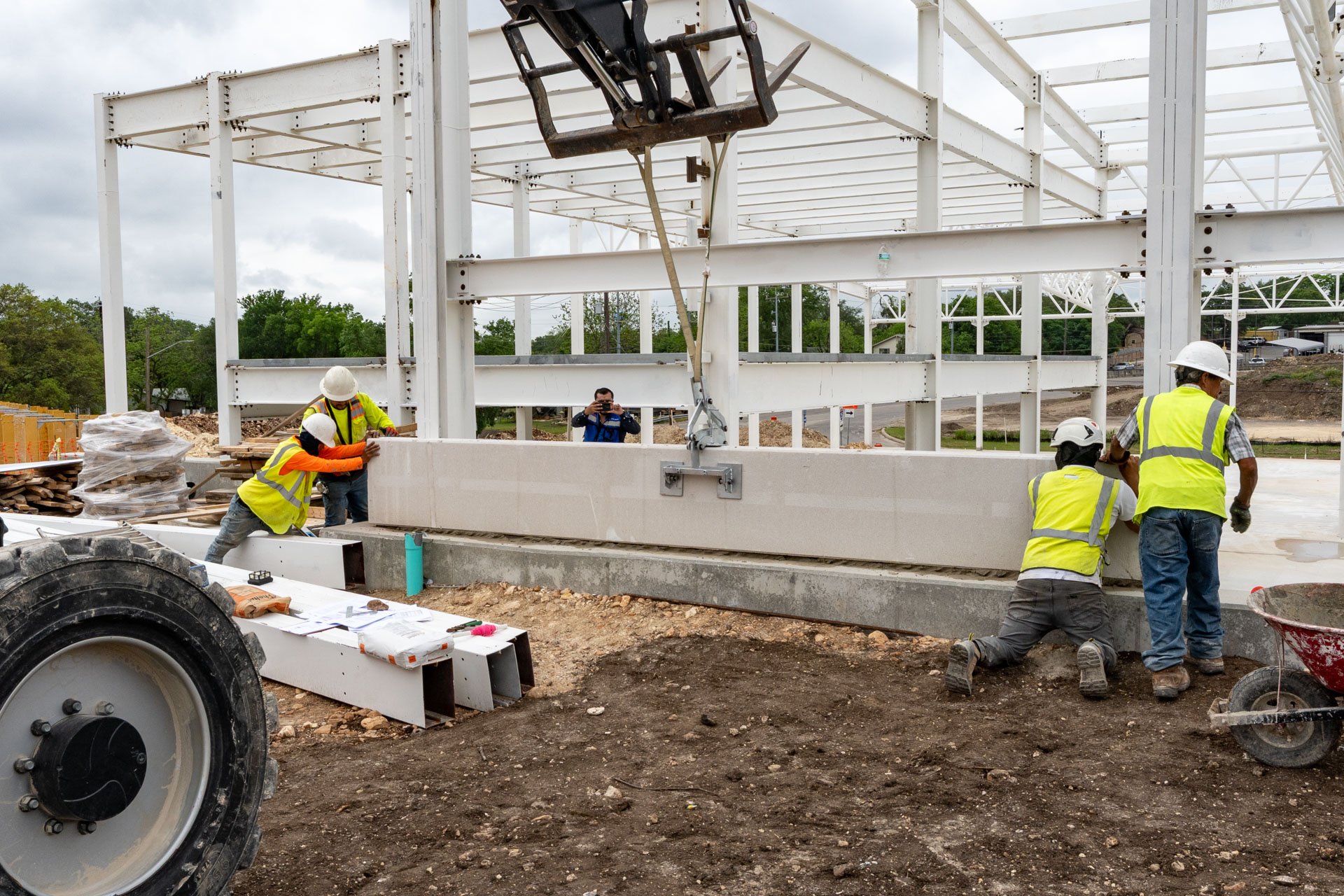
Piers and footers
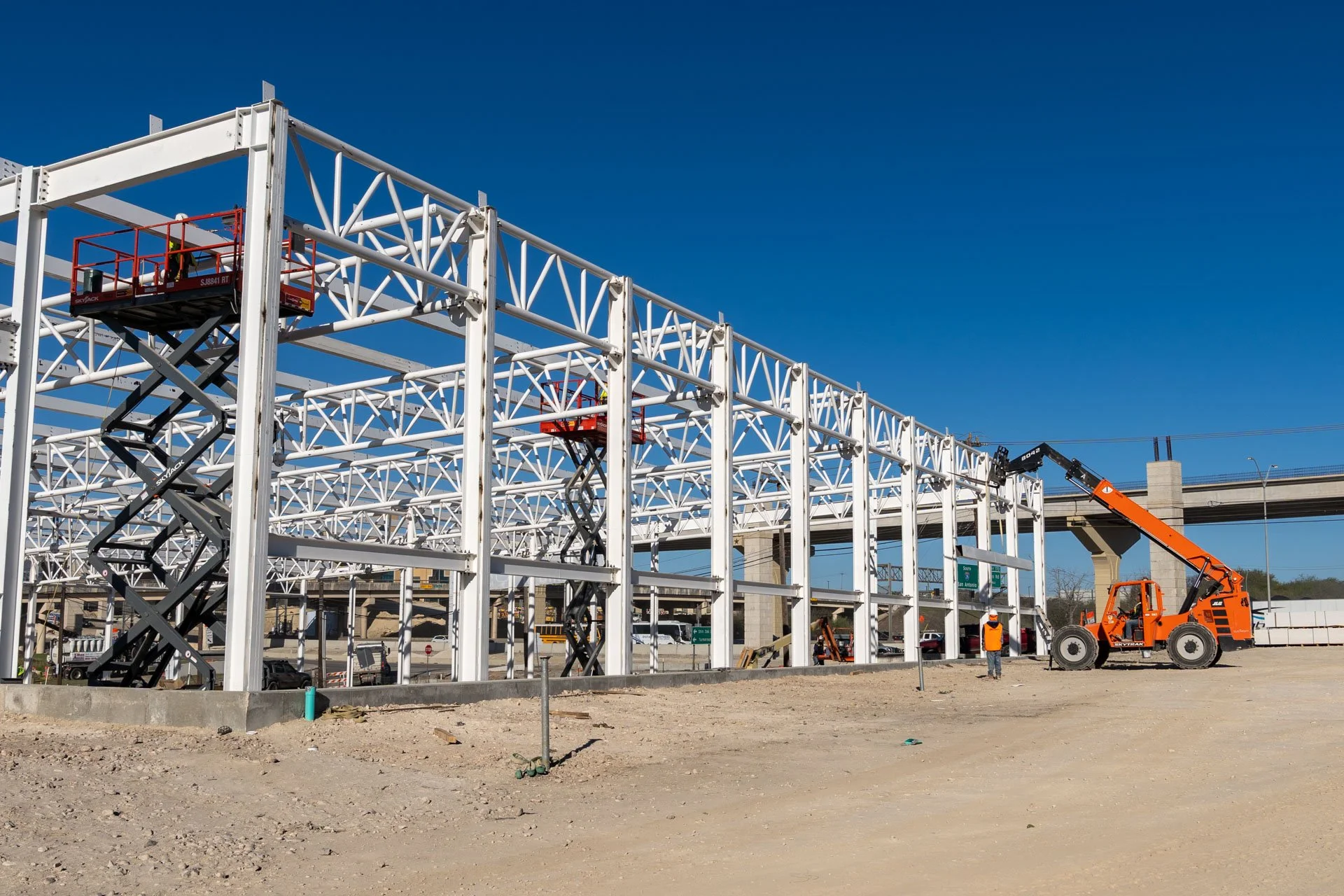
Columns or Posts
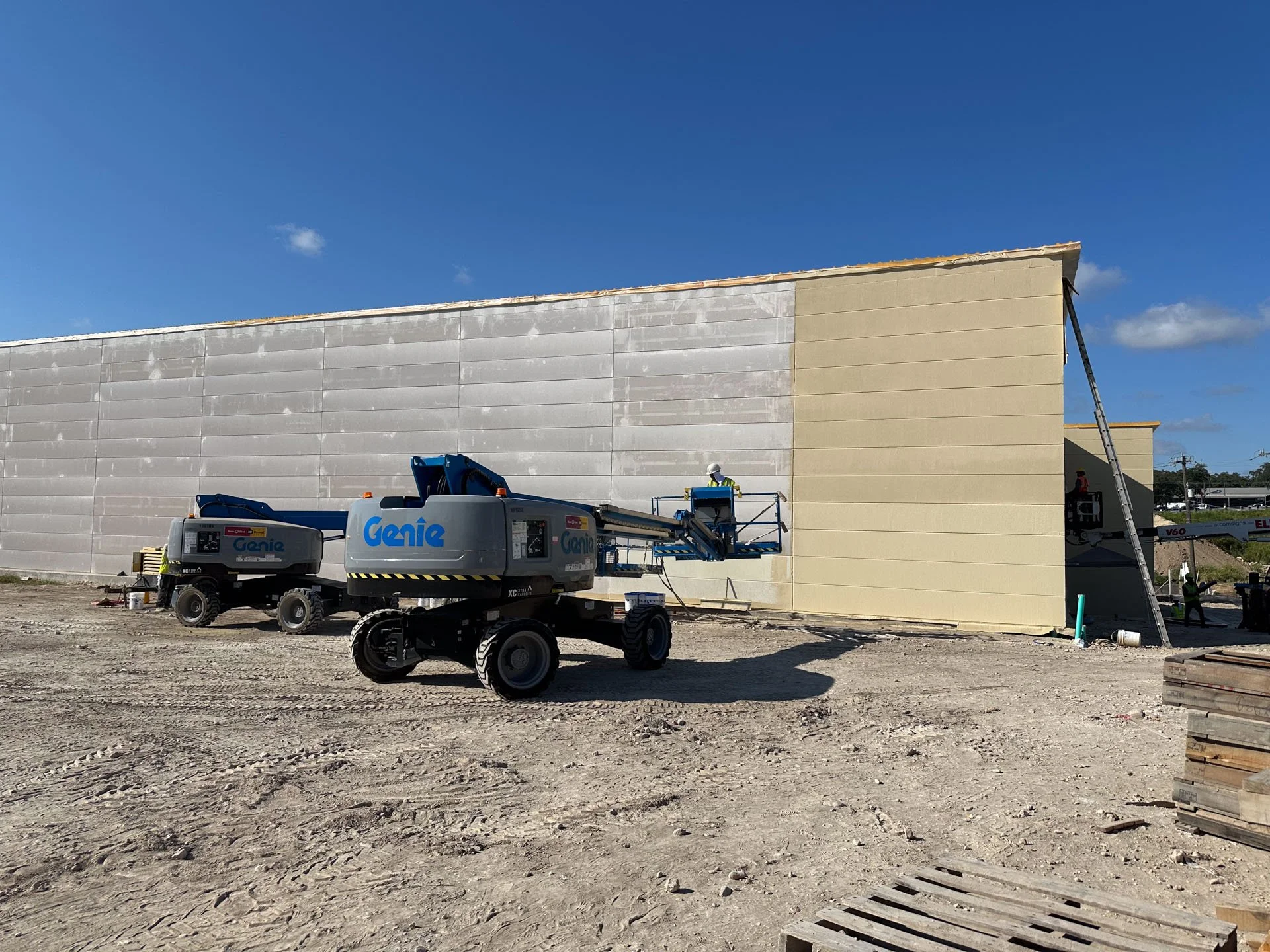
AAC Fence Panels
WHY BUILDING OWNERS CHOOSE AAC FENCE & SOUND WALL
Owners choose AAC fence & sound walls to provide a more attractive, longer lasting, and more cost-effective hard wall system for their projects.
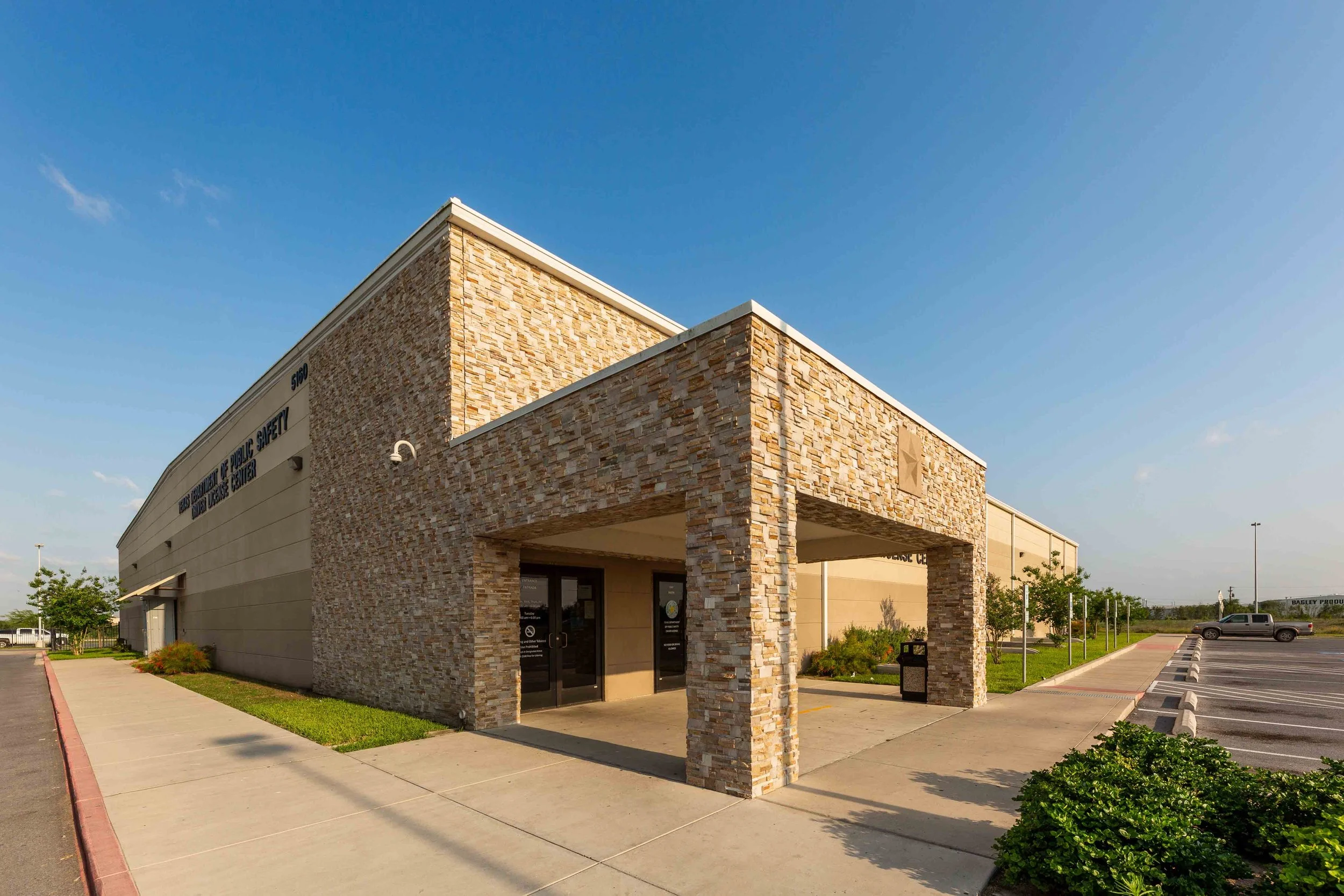
DURABILITY
✓ Moisture and rot resistant
✓ Fire protection
✓ Impact resistance
✓ Improved weathering

VALUE
✓ Clean and elegant aesthetics
✓ Sound rejection
✓ Multiple finish options

LOWER TOTAL COSTS
✓ Lighter weight
✓ Faster installatioN
✓ Construction cost savings
✓ Reduced equipment needs
✓ Simplified foundation
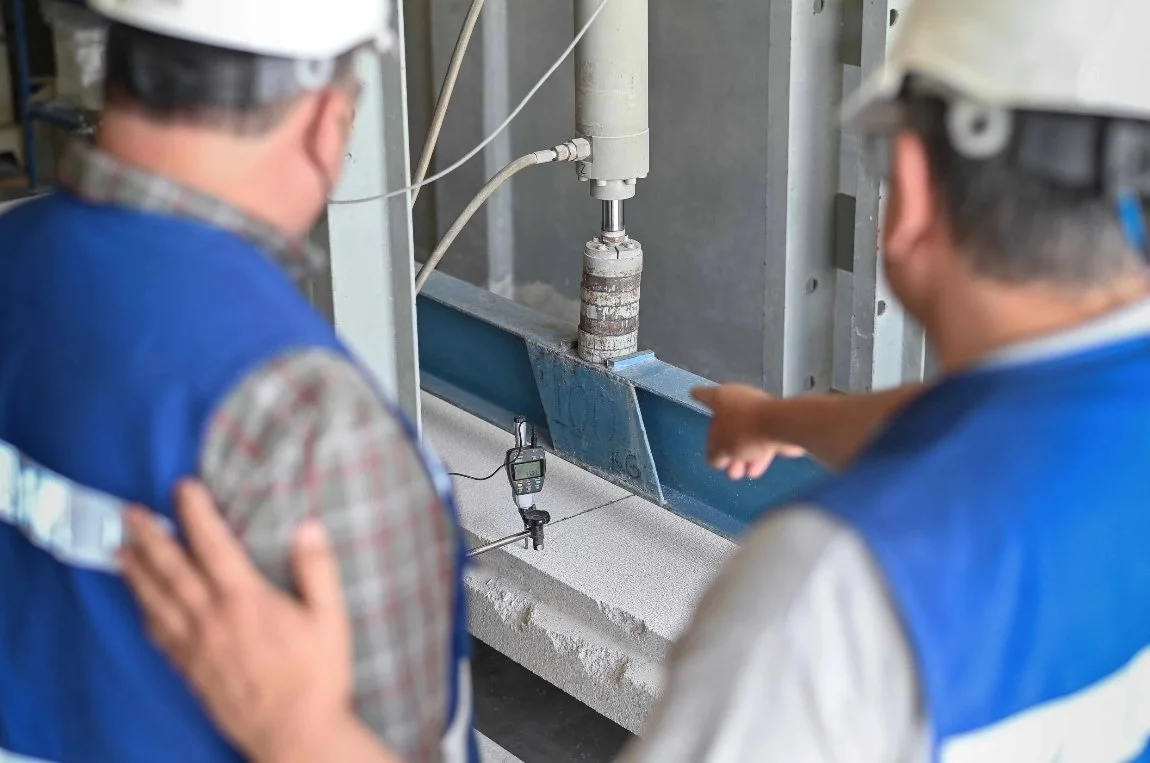
WHERE FENCE & SOUND WALLS ARE USED
AAC fence and sound walls are used for commercial, industrial, and residential subdivisions where attractive but durable and long-lasting hard wall solutions are required.
✓ Industrial
✓ Residential
✓ Retail
✓ Hospitality
✓ Education

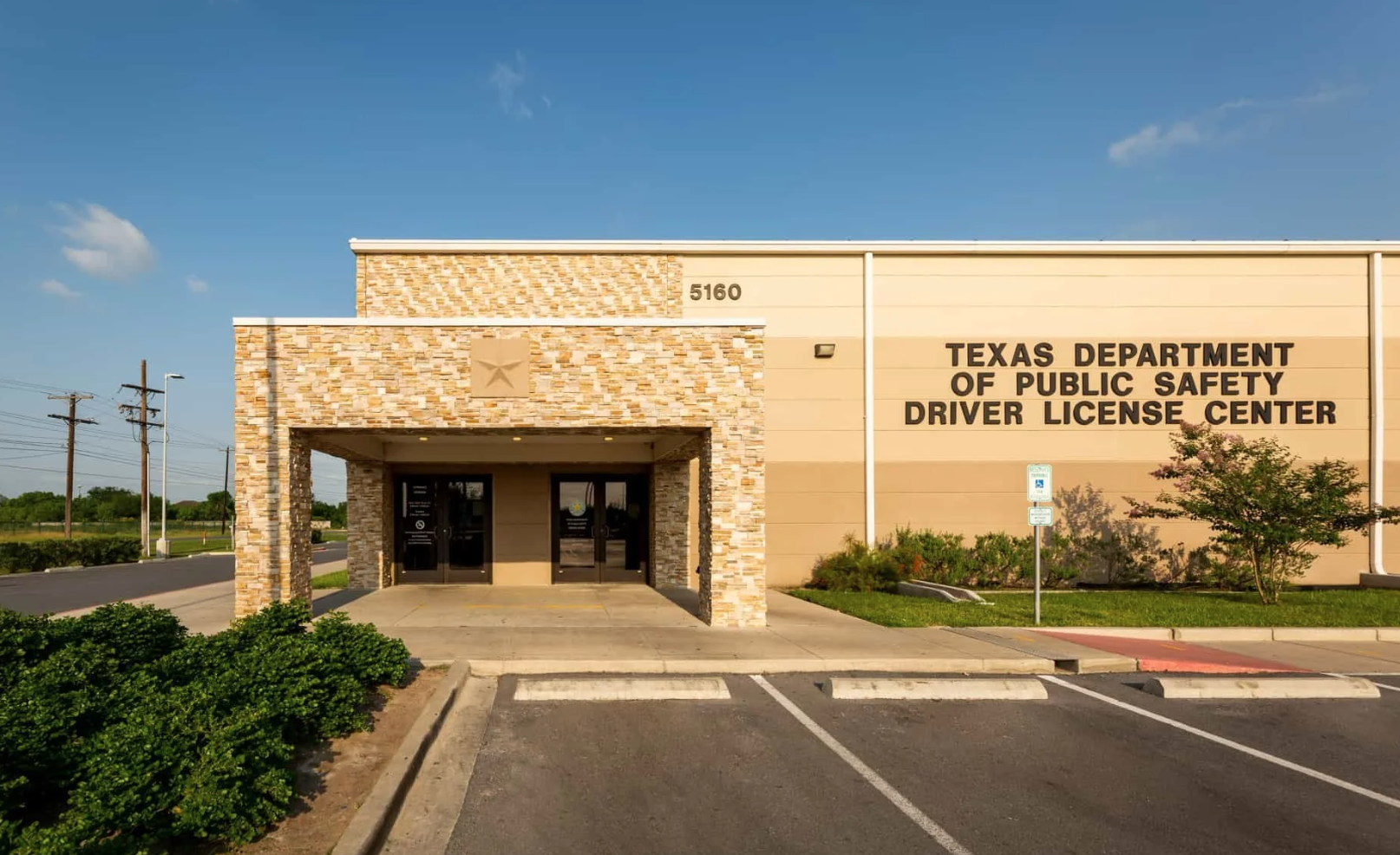

COMPARISON TO TRADITIONAL FLOOR AND ROOF SYSTEMS
AAC floor and roof panels simplify and speed up construction compared to conventional floor and roof assemblies while providing best-in-class performance and durability.
COMPARISON TO TRADITIONAL PRIVACY FENCE AND SOUND WALL SYSTEMS
AAC privacy fence and sound barrier panels provide the durability and longevity of concrete in a faster and more cost effective solution.
Wood and Vinyl Fence
WEAK POINTS
Susceptible to rot, warping, and insect damage
Combustible and vulnerable in fire-prone areas
Requires frequent maintenance and replacement
Gaps and movement reduce privacy and acoustic performance
AAC ADVANTAGE
Non-combustible and highly durable
Resistant to moisture, rot, and pests
Long-lasting with minimal maintenance
Solid construction improves privacy and sound reduction
Concrete Masonry (CMU)
Weak Points
Labor-intensive, block-by-block installation
Requires continuous footing and multiple construction steps
Performance depends on workmanship and sequencing
Typically requires added finishes for appearance
Longer construction schedules
AAC ADVANTAGE
Large-format panels install significantly faster
Reduced labor and simplified construction process
Factory precision improves consistency and quality
Accepts direct-applied finishes
Fewer steps accelerate schedule and reduce cos
Precast Concrete
Weak Points
Heavy systems require large equipment and foundations
Higher installation cost and logistical complexity
Limited flexibility for modifications
Longer installation timelines
AAC ADVANTAGE
Lightweight panels reduce equipment and foundation demands
Faster, more efficient installation
Easier to modify and adapt in the field
Lower overall system cost with similar durability
SYSTEM
Wood and Vinyl Fence
Concrete Masonry (CMU)
Precast Concrete
WEAK POINTS
Susceptible to rot, warping, and insect damage
Combustible and vulnerable in fire-prone areas
Requires frequent maintenance and replacement
Gaps and movement reduce privacy and acoustic performance
Labor-intensive, block-by-block installation
Requires continuous footing and multiple construction steps
Performance depends on workmanship and sequencing
Typically requires added finishes for appearance
Longer construction schedules
AAC Advantage
Heavy systems require large equipment and foundations
Higher installation cost and logistical complexity
Longer installation timelines
Longer installation timelines
Non-combustible and highly durable
Resistant to moisture, rot, and pests
Long-lasting with minimal maintenance
Solid construction improves privacy and sound reduction
Large-format panels install significantly faster
Reduced labor and simplified construction process
Factory precision improves consistency and quality
Accepts direct-applied finishes
Fewer steps accelerate schedule and reduce cost
Lightweight panels reduce equipment and foundation demands
Faster, more efficient installation
Easier to modify and adapt in the field
Lower overall system cost with similar durability
TYPICAL ASSEMBLIES & INSTALLATION
Floor and roof panels are placed on structural frames, locked together with grouted keyways and concrete ring beams, and then finished with common floor finishes or roofing materials.
14-foot panel weights 350 pounds
Installed with forklift or light jib crane
Fast installation with 3-4 person crew
Multiple finish options
-
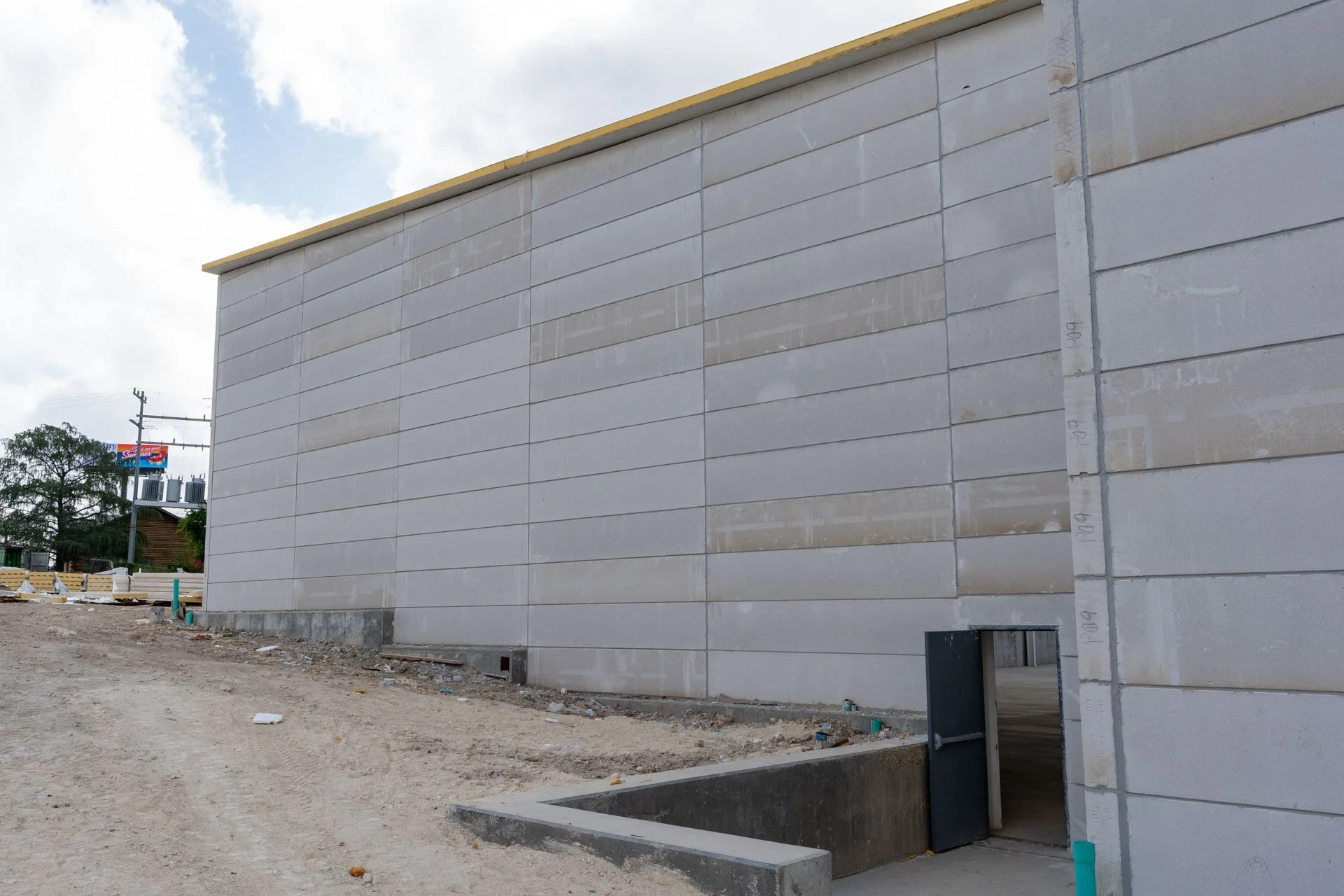
typical assembly
AAC panels
Column or post
Concrete footer and pier
-
FLOOR FINISHES
H-Block column
Steel post
Precast concrete post
Cast-in-place concrete
Brick or masonry
-
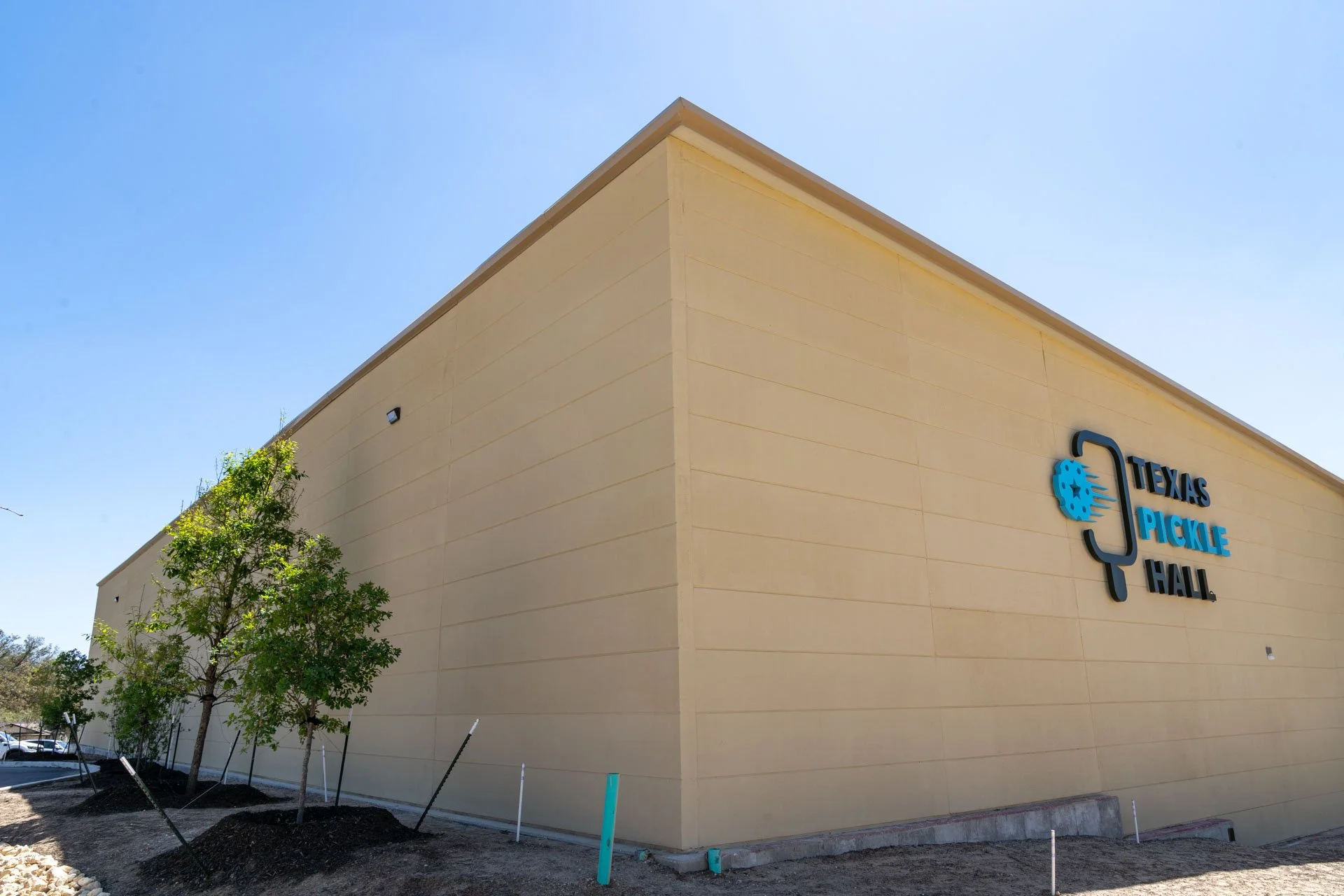
ROOF FINISHES
Paint
Textured concrete surfacer
Stucco
Thin masonry veneer
REQUEST A VALUE ENGINEERING COMPARISON
Get started with a free project evaluation — see how Modular solutions can improve your design outcomes, speed up construction, and maximize project value.
DOWNLOADS
-
Sales Sheet
-
Product Data Sheet
-
Safety Data Sheet